Project 2 A durational space
Exercise 3.2
The brief for this exercise is:
“Start by doing your own research into some of the artists discussed above. Then, using slow shutter speeds, the multiple exposure function, or another technique inspired by the examples above, try to record the trace of movement within the frame. You can be as experimental as you like. Add a selection of shots together with relevant shooting data and a description of your process (how you captured the shots) to your learning log.”
I have researched some of the artists whose work is described in this section and have made some brief posts about this.
Aim:
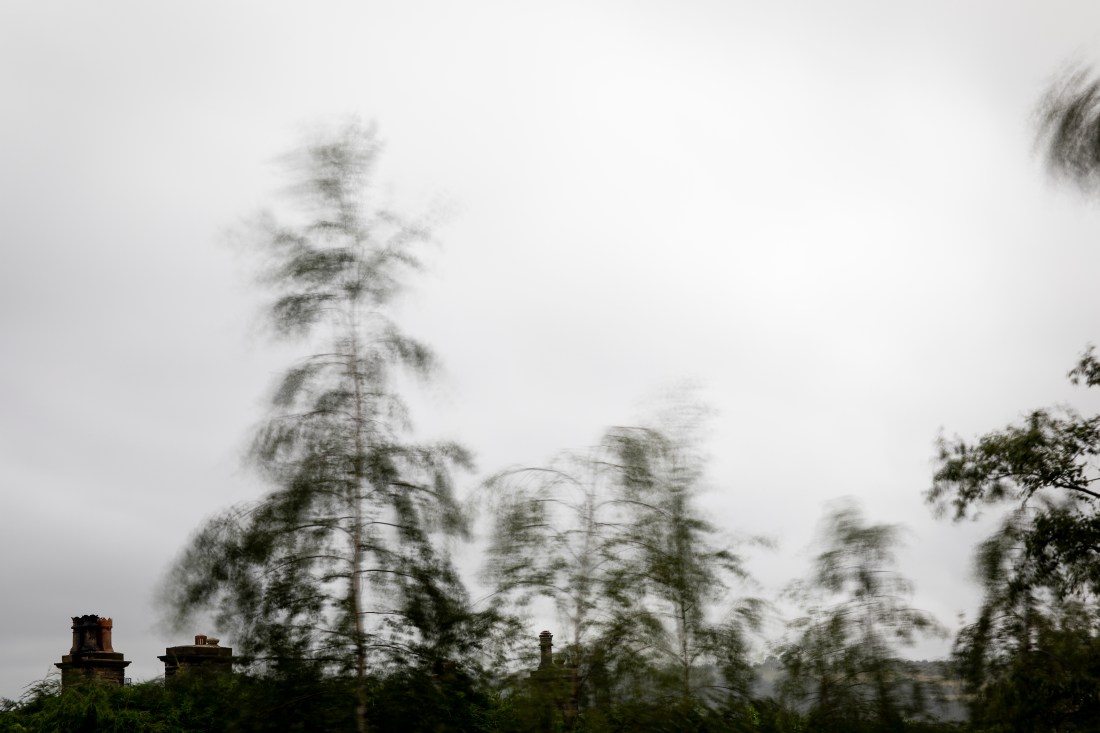
We have been experiencing very windy weather lately and I have noticed that the trees near my home move in the wind in a very characteristic and consistent pattern in the gusts of wind. I have tried to capture this pattern in a still image.
Methods:
The technique that I have used is making a moderately long exposure so that the branches of the trees are seen as a blur, but I hoped to make the image such that it was clearly recognisable but the pattern of the movement shown. The range of exposure I have used is between 1/8th second and 8 seconds, with the camera on a tripod. As the long exposures required smaller apertures than my lenses allowed, even at the least sensitive ISO setting of 100, I have also used neutral density filters of various density to allow an aperture to give appropriate depth of field.
Selection Process of Images:
The course notes indicate that:
“One of the ways to communicate discernment and the development of your ideas is through the contact sheet. A digital contact sheet is just thumbnails of a sequence of shots, of course, but the important thing is that it’s an unedited sequence. Including an unedited sequence will allow your tutor to see and comment upon your selection process.
You should annotate your contact sheets. As a minimum, indicate your ‘selects’, together with relevant shooting data and brief observations. This will add significant value to a contact sheet.”
For this exercise I will describe my selection process in detail.
I initially rate my digital images as:
X – rejected (and subsequently deleted) These are images in which there are gross errors in focussing, exposure or composition such as pressing the shutter in accidentally. While I recognise these may rarely result in accidentally interesting images, on the whole these do not, as is the case in this sequence.
1* – kept in my Lightroom catalogue with appropriate key wording so they will appear in future searches. However these also have gross characteristics which mean they fail to achieve my self-imposed brief. For example they do not show the feature I was hoping to obtain perhaps because of composition, timing or other factor.
2* – also kept in my Lightroom catalogue with appropriate key wording. These generally meet my aims and I examine these in more detail in the “Develop” module of Lightroom to see how effectively they show what I aimed to. If I am happy that with or without post-processing they are suitable for sharing I then rate these as 3*
3* images in my catalogue may not all meet my brief and there is still a selection process beyond this which I will describe in relation to this exercise.
The Images for Exercise 3.2
All this images I shot with basic shooting data is in this contact sheet.
My first rating exercise into reject, 1 or 2 star is shown in this contact sheet, with some notes.
I have included a sheet with larger images of the 1* images so they can be more easily seen.
I examined the 2* images further and decided not to process these – mainly because although they show the effect I was trying to achieve, I think there are better ones.
The final images for the exercise included these
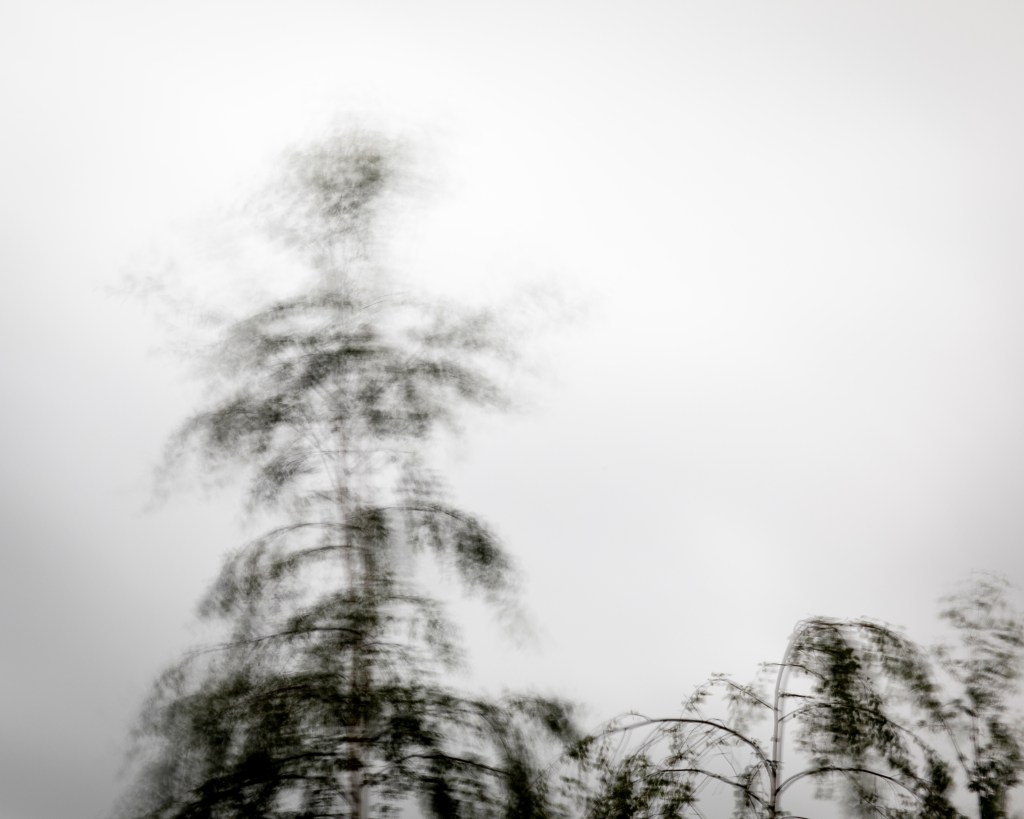
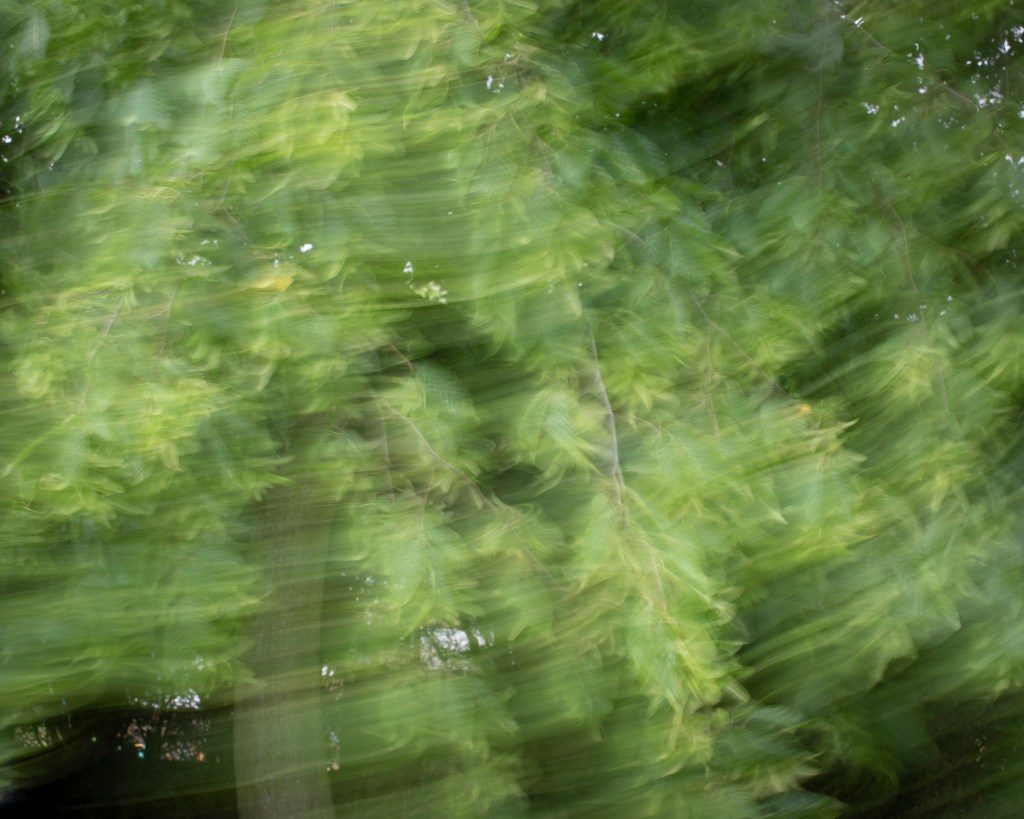
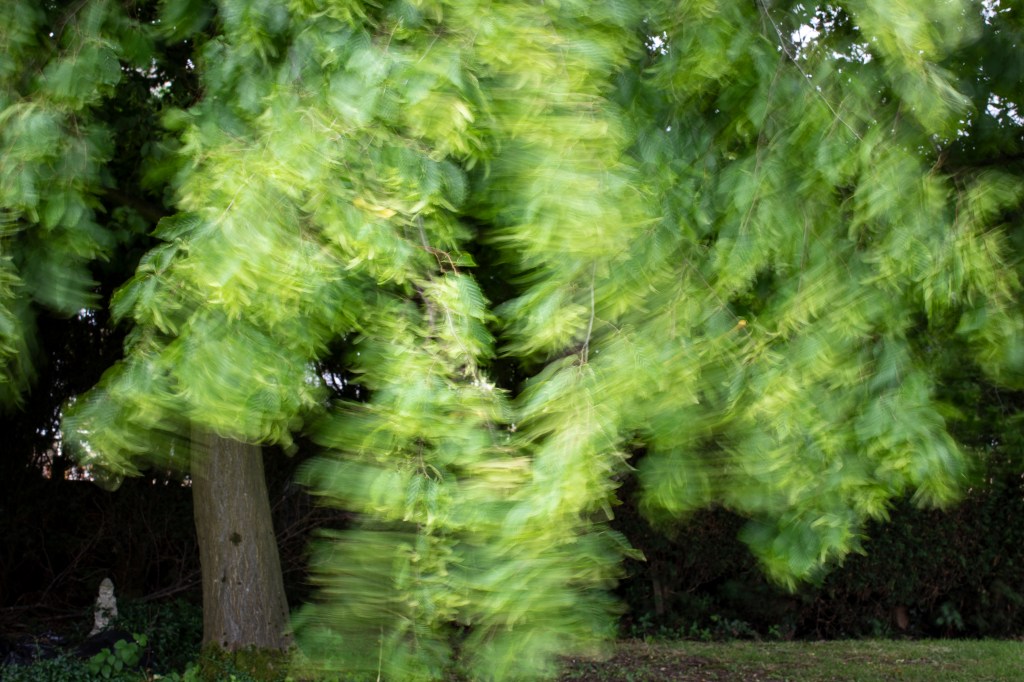
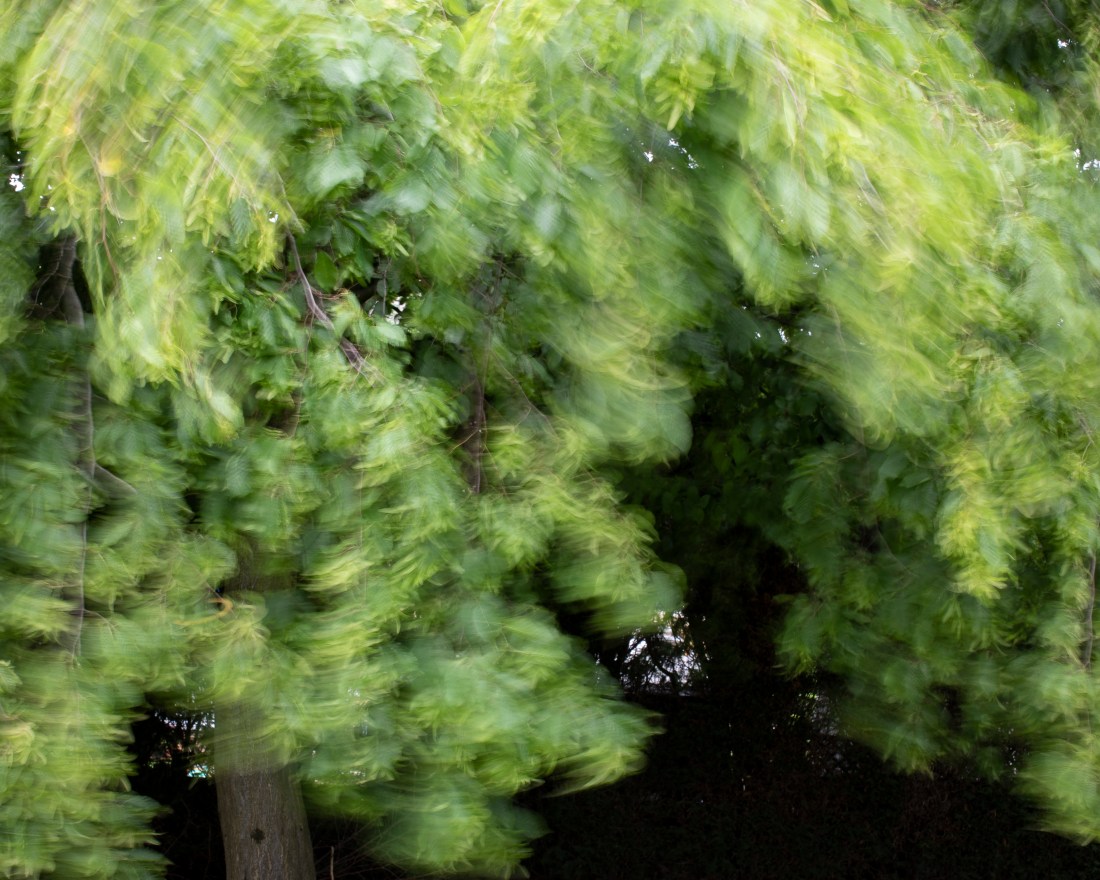
I have chosen two subjects, the foliage of a sycamore tree which was the tree which initially attracted my to this project, and the tops of birch trees against the sky. Both of these show the movement pattern with sufficient detail to still show what they actually are. The sycamore also includes some detail of parts of the image which were not in motion and serve to accentuate the movement. The two images which I believe are the most satisfactory for this exercise are these two – for that reason.

 Andrew Procter