Project 2: The Beauty of Artificial Light
The course notes for this section attribute the phrase “the beauty of artificial light” to the cinematographer, Christopher Doyle who the notes say, “recommended studying the ‘beauty of artificial light’ on people’s faces.” I was unable to find the source for this quotation, but did look at his film, “In the Mood for Love” (Dir Wong Kar Wei, 2000). This film set in Hong Kong, is shot almost entirely in artificial light, either in-doors or at night. Indeed, the lighting of the faces is very atmospheric, and conveys some of the emotional content of the scenes. Such as these stills which I selected

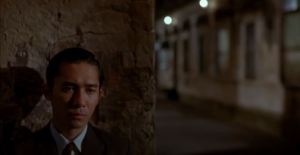
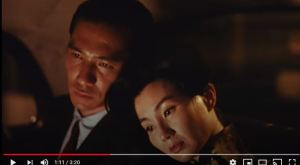
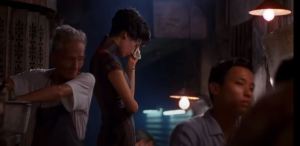
The course notes direct me towards examining the work of Sato Shintaro, and his series “Night Lights”.

These are a series of images of the Tokyo streets, illuminated by neon signs. The images are all bright and colourful, even though shot at night.
Shintaro also has made images of Tokyo lit by a combination of artificial light and the dawn or dusk light of the sky, in his series, “Risen in the East” and “Tokyo Twilight Zone”. Such as:
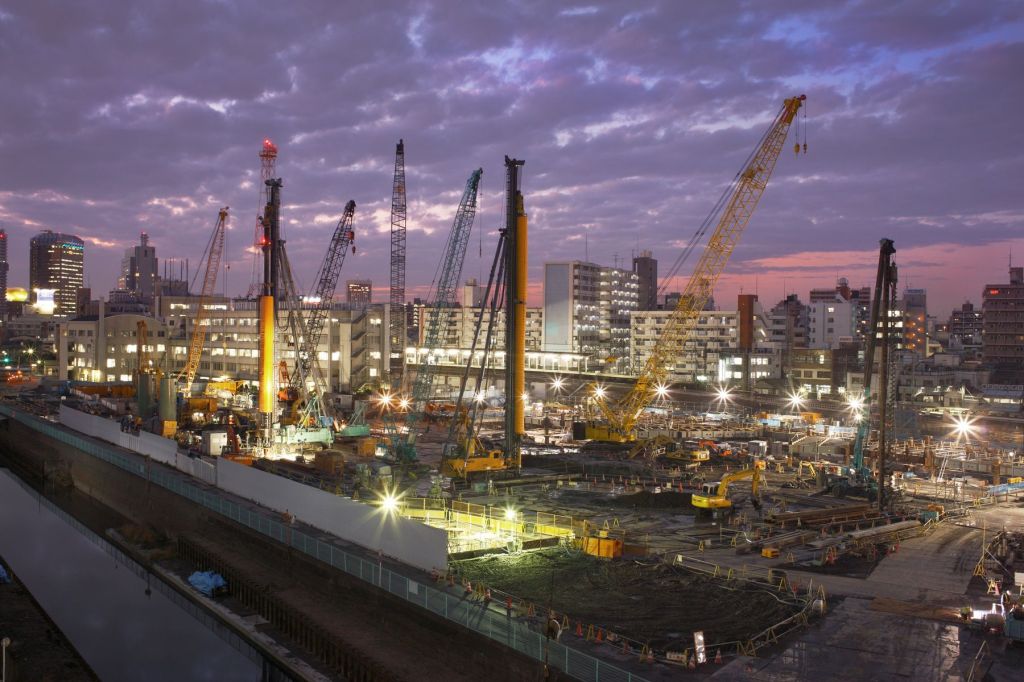
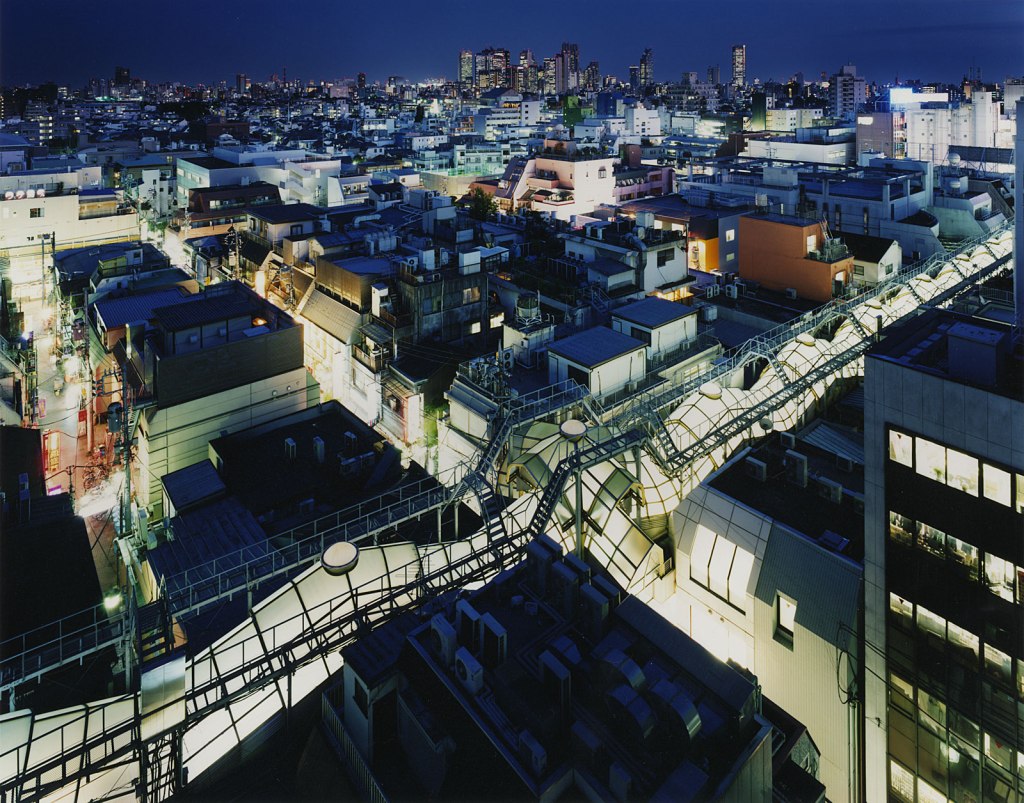
Personally I found a greater resonance with these images as I think they show a greater degree of subtlety in the colouration and depiction of the city. However I recognise that the vibrant bright primary colours of the neon street signs serve to depict a vibrancy of the city itself.
I wonder if in part my view of these neon images is affected by my own construct of beauty. I have previously considered this in relation to artificial light, and suggested that “an artificial light source could only be considered to demonstrate “beauty” if it does not harm the environment”.
The images of neon signs in Tokyo may soon be a thing of the past, as reports about Hong Kong suggest (Fernández, 2018). Like Tokyo, Hong Kong has had a proliferation of neon signs, but regulations have made it more and more difficult for these to remain and they are being replaced by LED lights.
A point which I did not highlight in my record of my research for the last exercise, “Daylight”, is that as well as emphasing the importance of “the quality of the air and light (as being)…so layered, complex, and mysterious”, Sally Mann also refers to “the refulgence or the reflection when light and water interact” (Rong and Mann, 2013). This is also the case with artificial light.
Rut Blees Luxemburg has made many images of London at night, all lit with artificial light from street and other lighting.
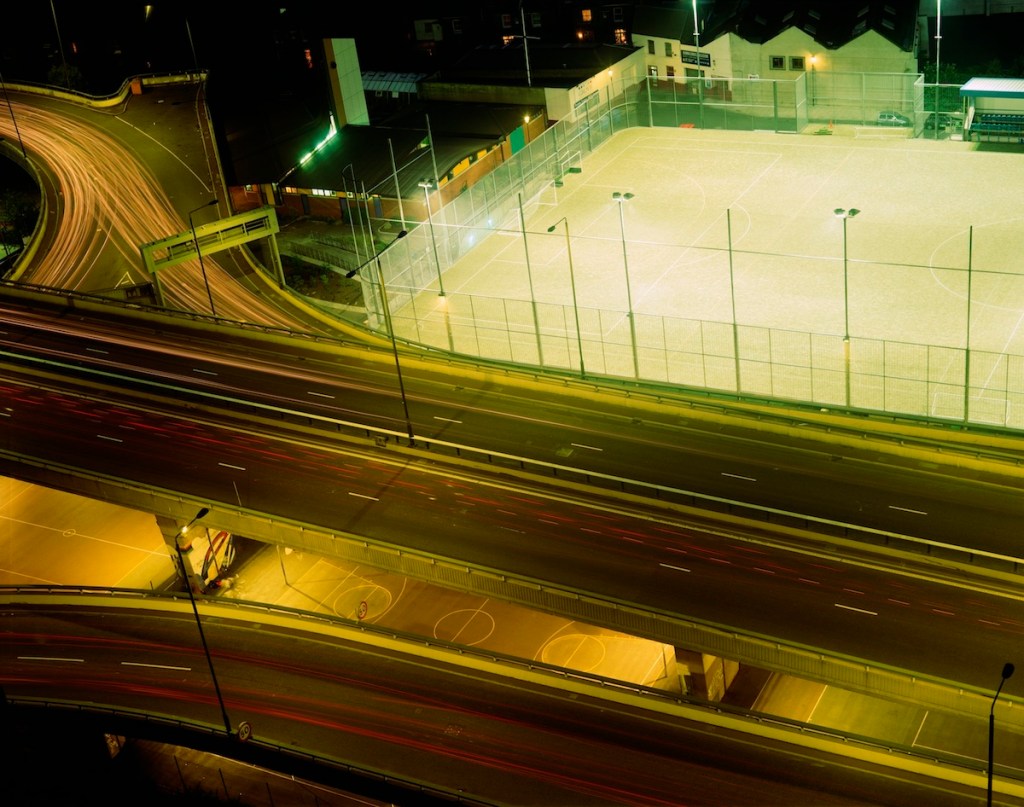
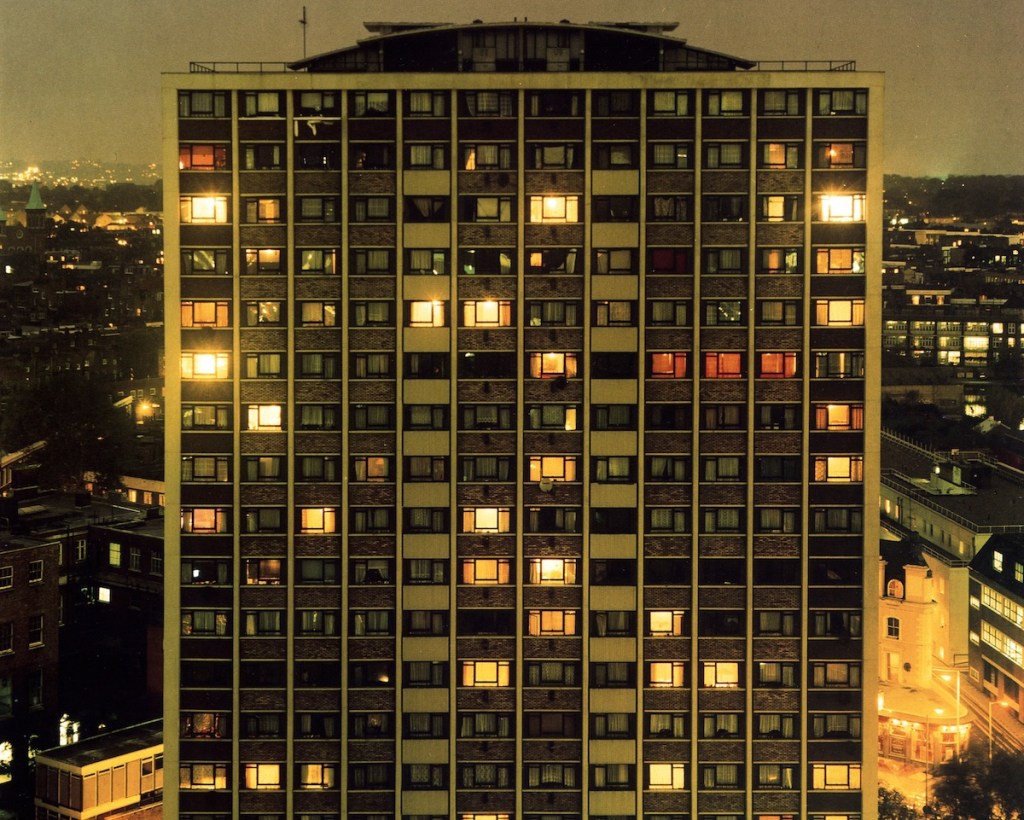
However in her series “Liebeslied: My Suicides” (Luxemberg and Duttman, 2000) she also examines the interaction between the light and water. “From rain collecting in gutters, to overspill from the Thames, water exists as an emblem of this throughout.” (Abel-Hirsch, 2018).

The course notes refer to the work of Brassai , and in particular his book “Paris by Night”. While many of the images in this record the life of the city at night and its inhabitants such as these.
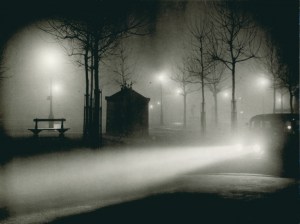

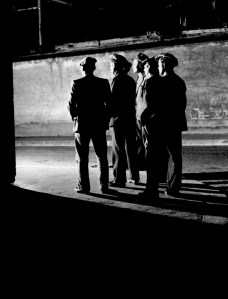
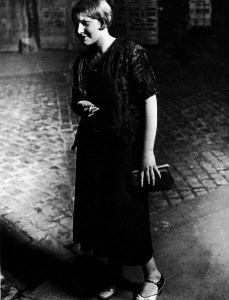
There are others which also look at the almost abstract images created by the reflection of light on wet surfaces, in a manner developed many years later by Rut Blees Luxemberg.
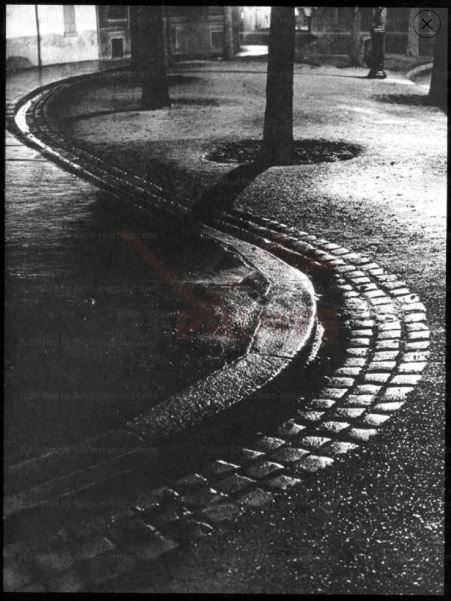
References
References to the works cited in this post are found in my separate post “References”

 Andrew Procter
2 thoughts on “Project 2: The Beauty of Artificial Light”