Languages of Light: Analysis
(The following is the text from the submission I am required to make with my images for Assignment 4. It is a precis of other posts in my learning log which expand on these topics.)
While “beauty” is a subjective term, I have considered the statement by Mary Richardson, following her attack on the Rokeby Venus (From the Rokeby Venus to Fascism Pt 1: Why did suffragettes attack artworks?, s.d.)
Richardson is quoted as saying “Justice is an element of beauty as much as colour and outline on canvas”
I have extended this argument to concerns in contemporary society, where environmental issues should be prominent. Thus I have suggested “an artificial light source could only be considered to demonstrate “beauty” if it does not harm the environment”, either by using excessive and unnecessary energy, and/or contributing to light pollution. I have found this a difficult concept to incorporate into my images, but have attempted to do so.
Influences:
The influences I have consciously tried to incorporate into my work include those of Sally Mann and Rut Blees Luxemburg.
Sally Mann refers to “the refulgence or the reflection when light and water interact” (Rong and Mann, 2013), albeit with respect of images made in daylight. However this is also the case with artificial light. “Refulgence” incorporates the qualities of “splendour, brightness, radiance…shining with or reflecting, a brilliant light; radiant, resplendent, gleaming…”
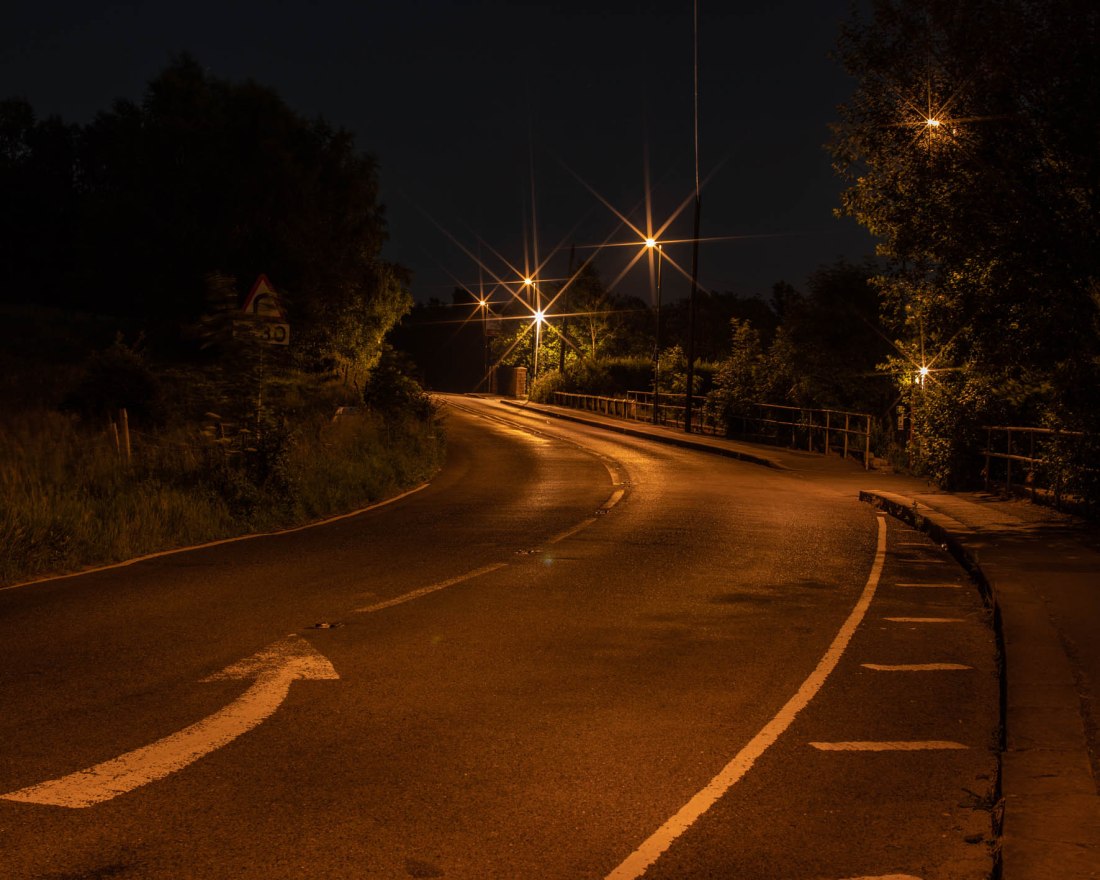
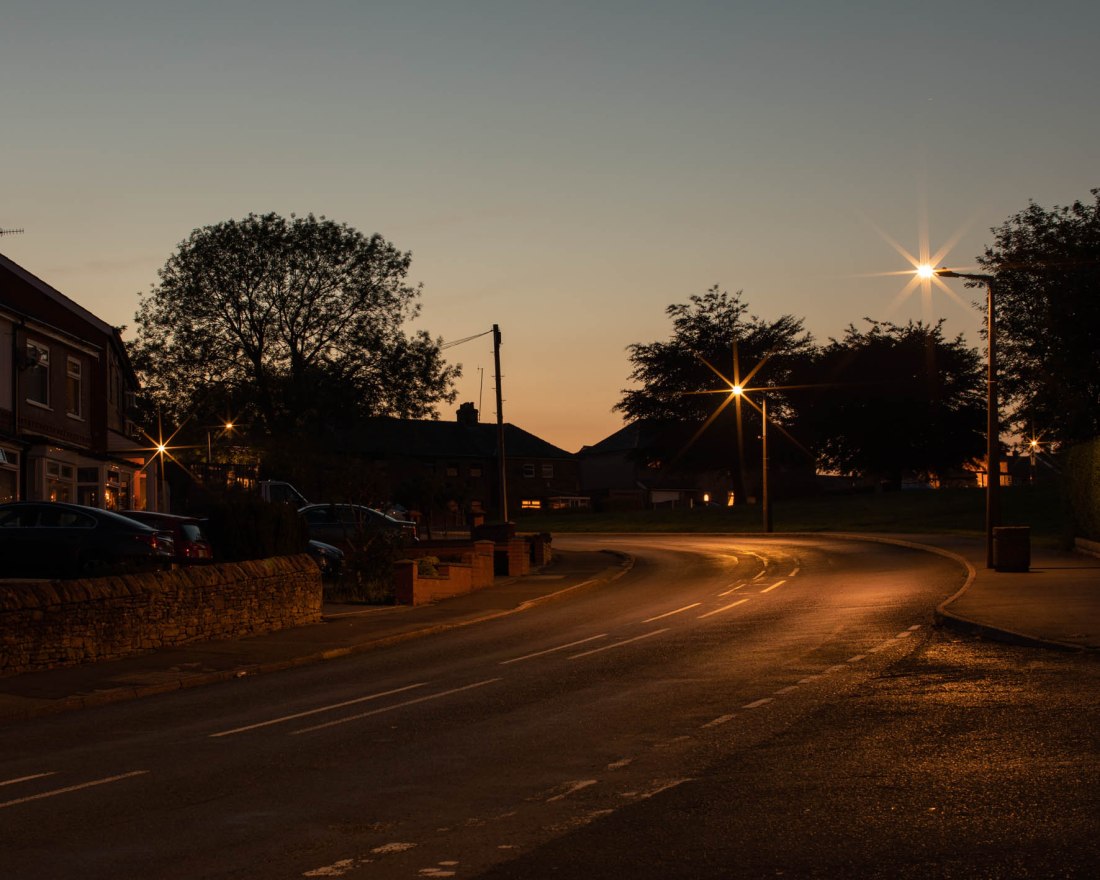
It is this quality of the light in Rut Blees Luxemburg’s series,”Liebeslied: My Suicides” (Luxemberg and Duttman, 2000) which I hoped to emulate. In addition, Rut Blees Luxemburg’s images of night-time London, have a distinctive colour palette, with a very marked orange overtone to many of the images which is different from how I perceive night-time scenes illuminated by street lighting. I aimed to try and establish the reason for this and to incorporate it into my images.
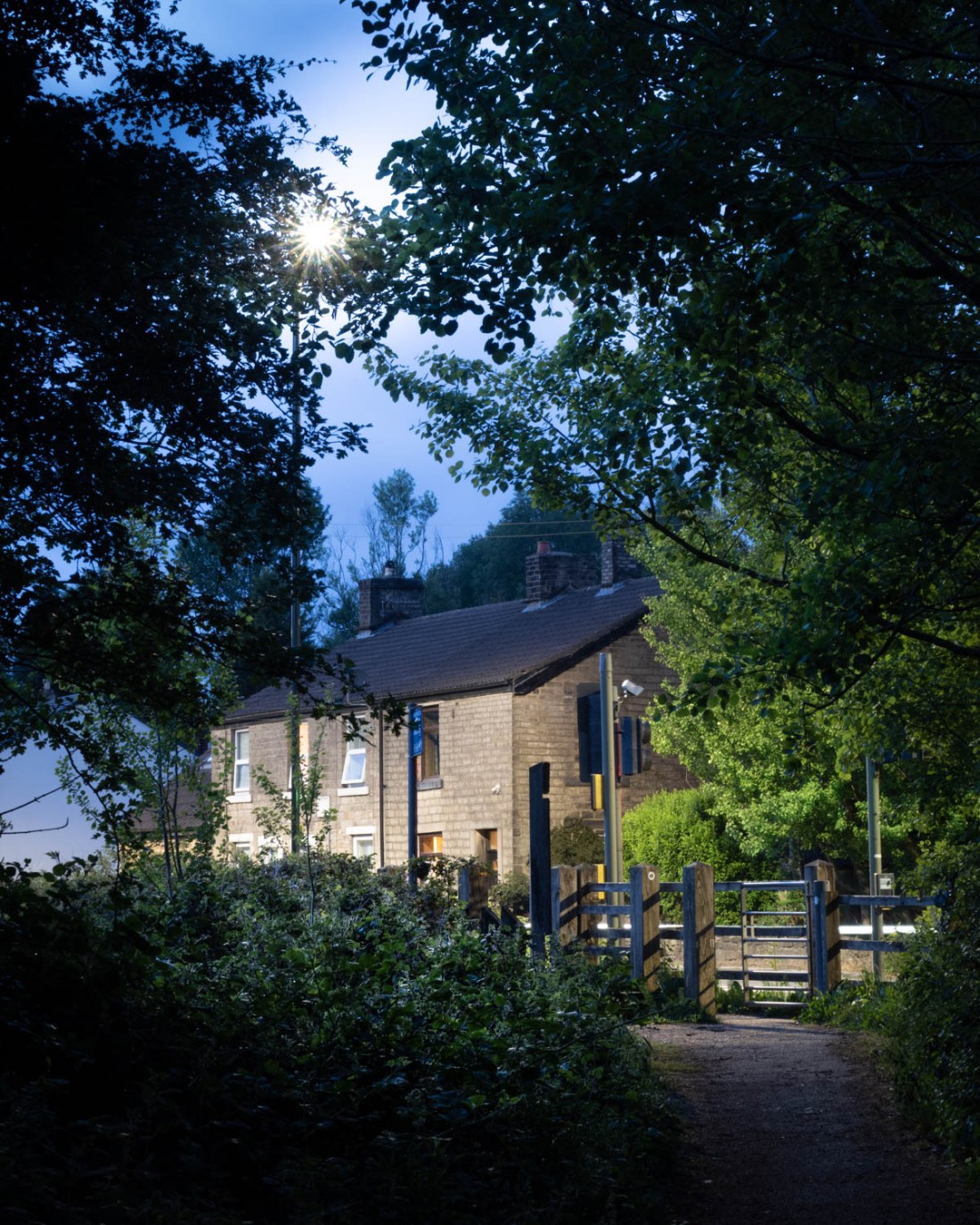
The work of Duncan Hill, in particular his series “Night Topographics”, includes images with a similar colour palette but also add a distinctive feeling of unease, very empty of day to day life expected in a scene during the day. Other images of trees illuminated by street lighting show the foliage in a different aspect. This is also the case for images made by Matthew Murray from his series, “Saddleworth” created by lighting “the landscape with artificial lighting, external lights, torches, car headlights” (Murray, 2017). I aimed to capture the unusual appearance of foliage when lit from unexpected directions.
I wanted to develop the assignment from the original exercise by
Better capturing “the beauty of artificial light” -particularly with regard to the construct of beauty I have suggested above
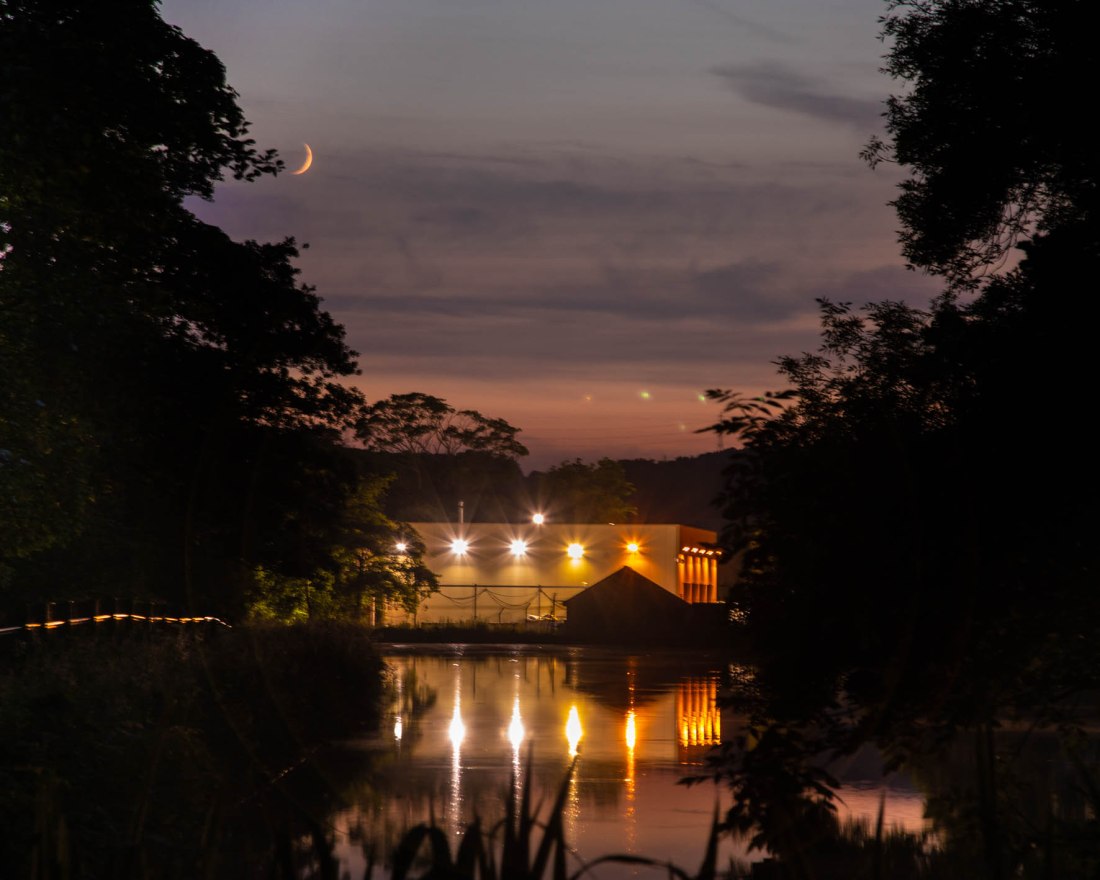
Capturing more of the interaction between the light and water, and the reflection of lights from different surfaces as it creates interesting patterns, unique to the night time
Overall, when I reviewed my exercise I realised many of the images were of artificial lights, not images made by artificial light. In many if not most of the images made by those photographers I cite, the actual light source is not seen… My overall aim is to make images using the artificial light to illuminate the scene.
Methods
I used a slow ISO value to obtain high-quality images which would most faithfully express the quality of light I was trying to capture, as a result of this long exposure times were necessary with a tripod.
I wanted to capture all the qualities of the light, including colour, so I used my digital camera as I am not equipped to use colour film at the present.
Colour Balance setting was a major consideration for my methodology. I had made all the images for Exercise 4.2 using “auto” setting for white balance. However some of the resulting images were somewhat disappointing as this setting tended to make the image look as if it had been made in daylight. I wanted to try and capture more about the quality of the artificial light and what it adds to the scene as it would otherwise be illuminated. I chose to use a custom white balance setting for my images. This involved setting the white balance for the light conditions after sunset, without any influence of artificial light. In this way, any “colour cast” would actually be the light that the artificial light had added to the scene.
Images were shot in RAW and edited in Lightroom. Adjustments were confined to cropping and local exposure adjustments. No changes were made to the coloration.
My Images
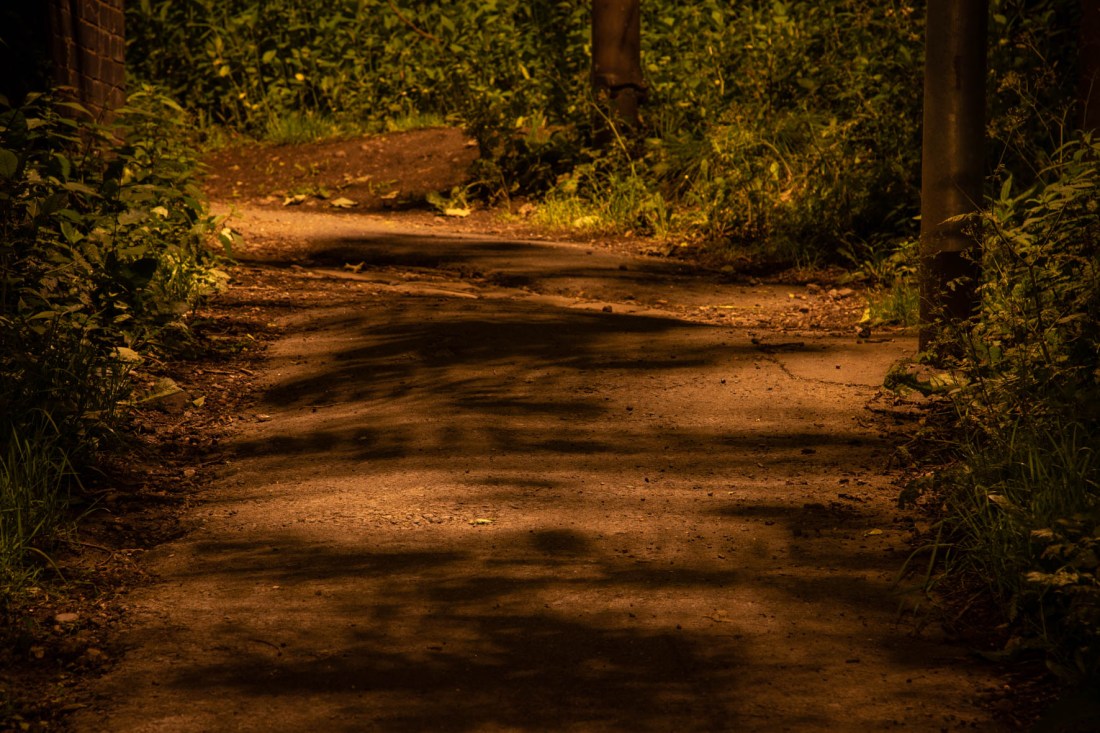
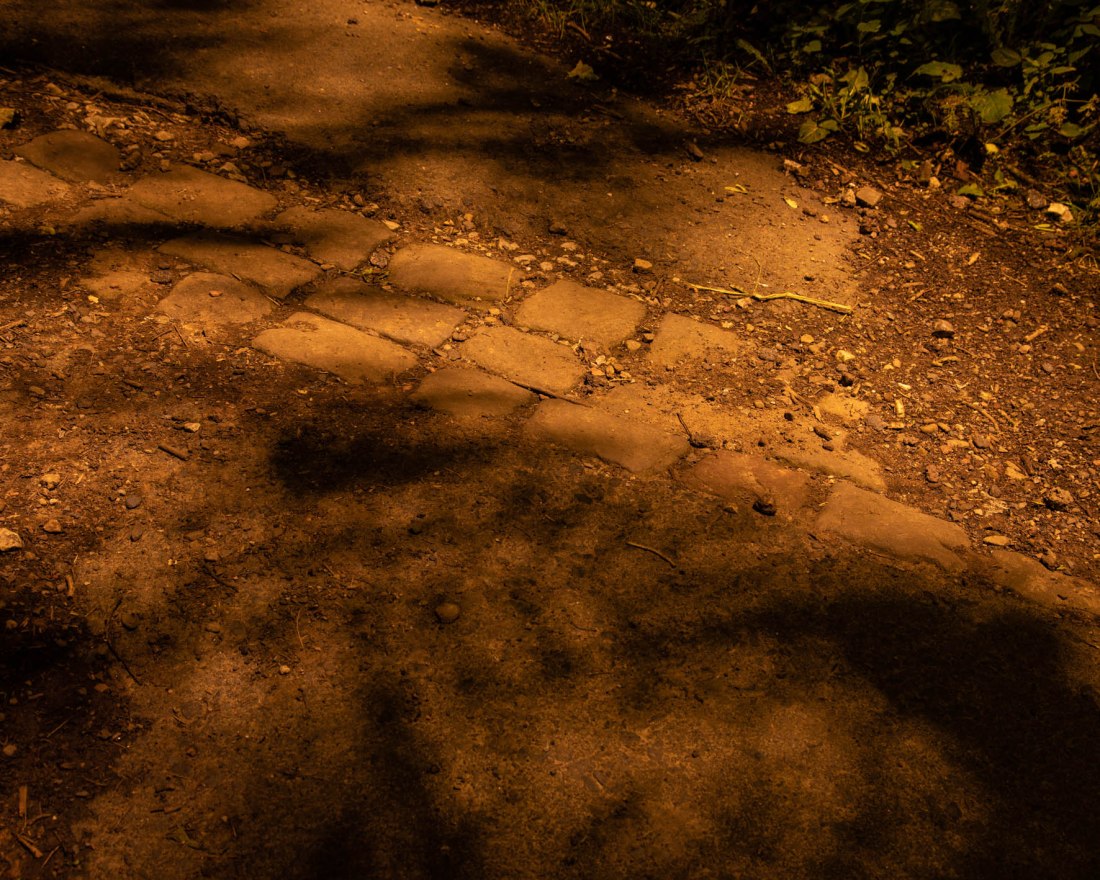
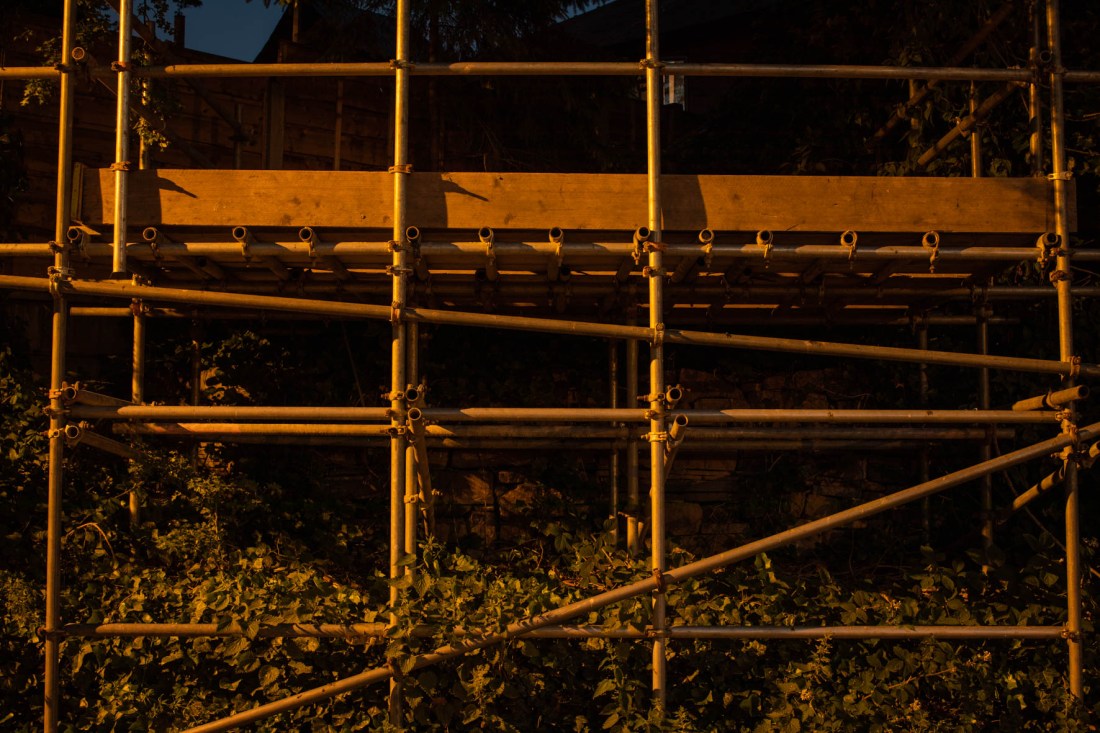
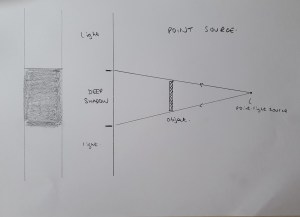
I noticed that LED Lights cast a distinctive shadow due to having several light sources together. These lights might be considered to demonstrate “beauty” by being more energy efficient than others.
Images EYV Ass 4-40, EYV Ass 4-41, EYV Ass 4-44, EYV Ass 4-46 and show different aspects of this patterning.
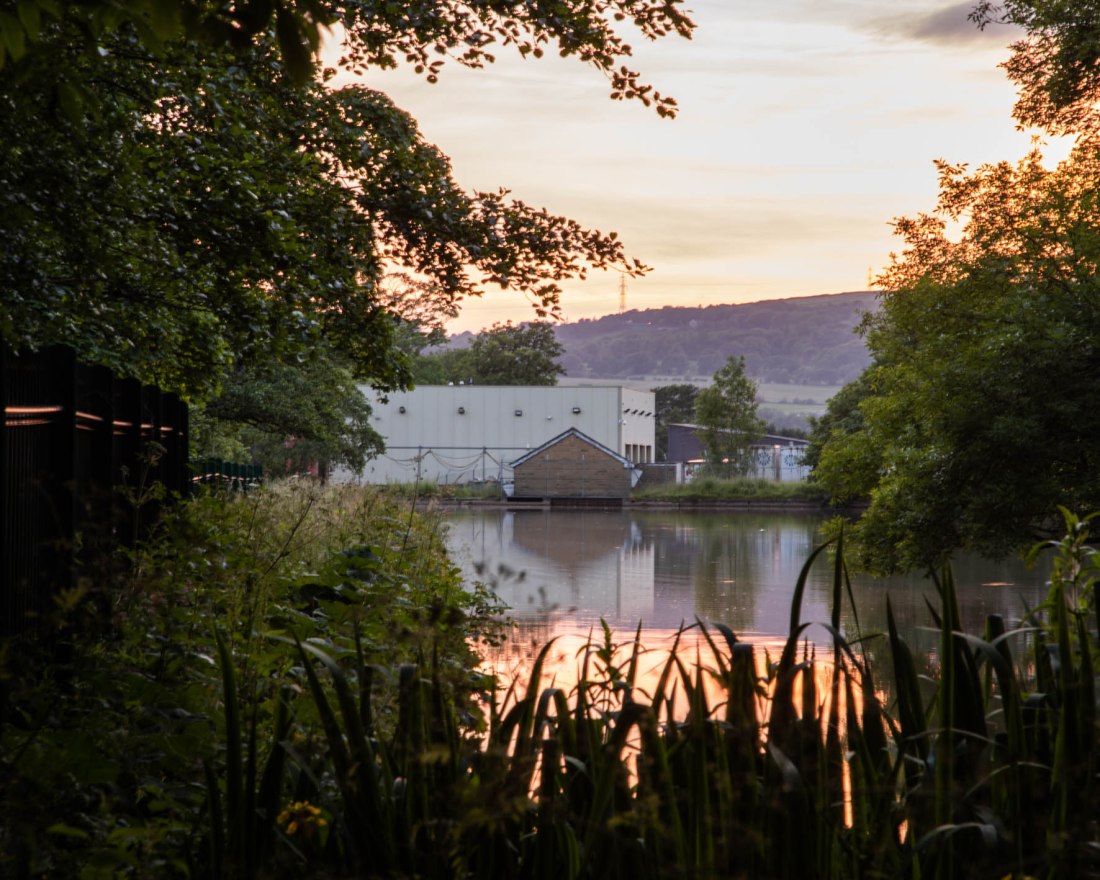
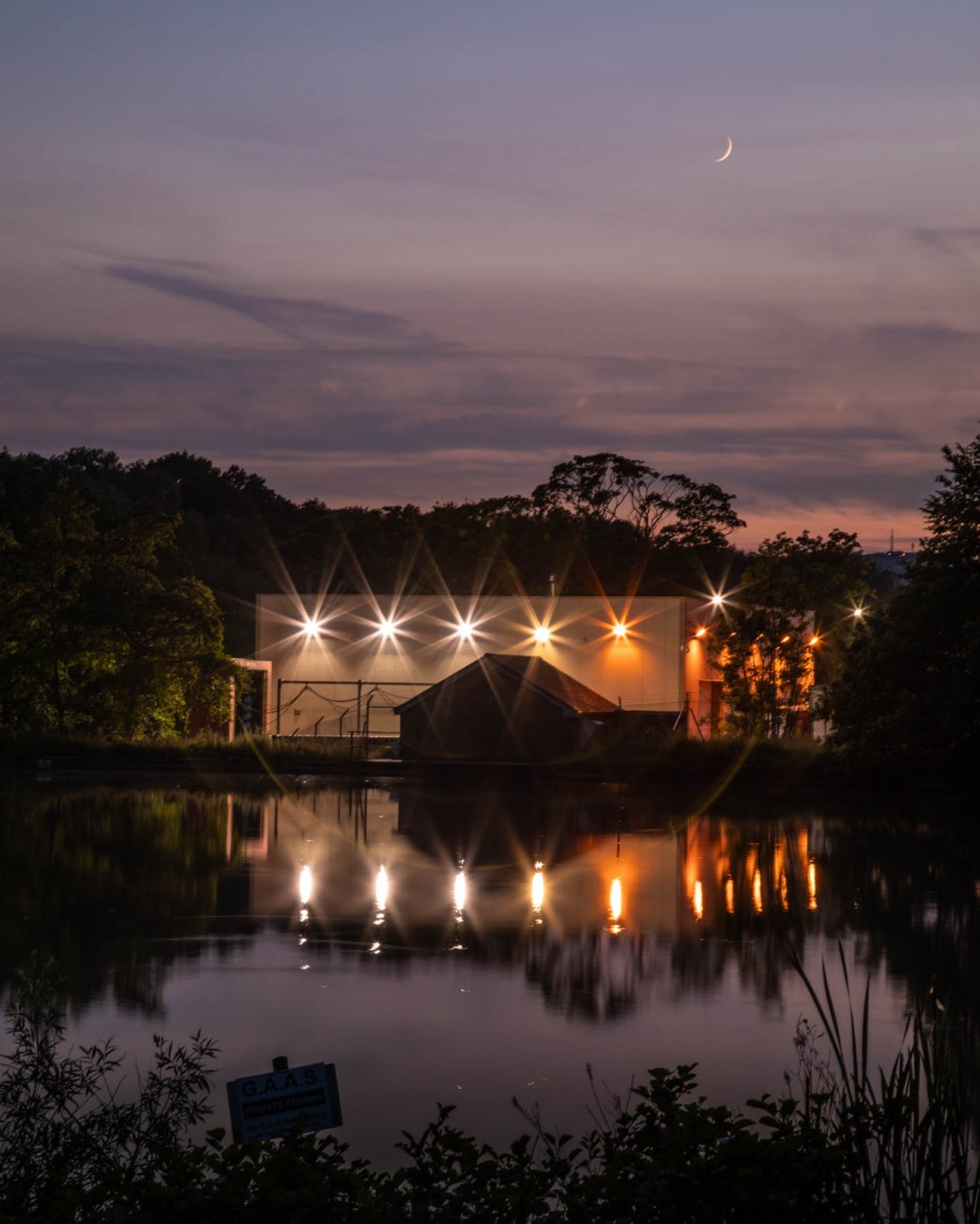
The interaction of light and water is shown in images EYV Ass 4-37 and EYV Ass 4-29. However the lit area at the visible end of the industrial site is a lorry wash, not in use at that time so it is difficult to justify these images meeting my criteria for beauty.
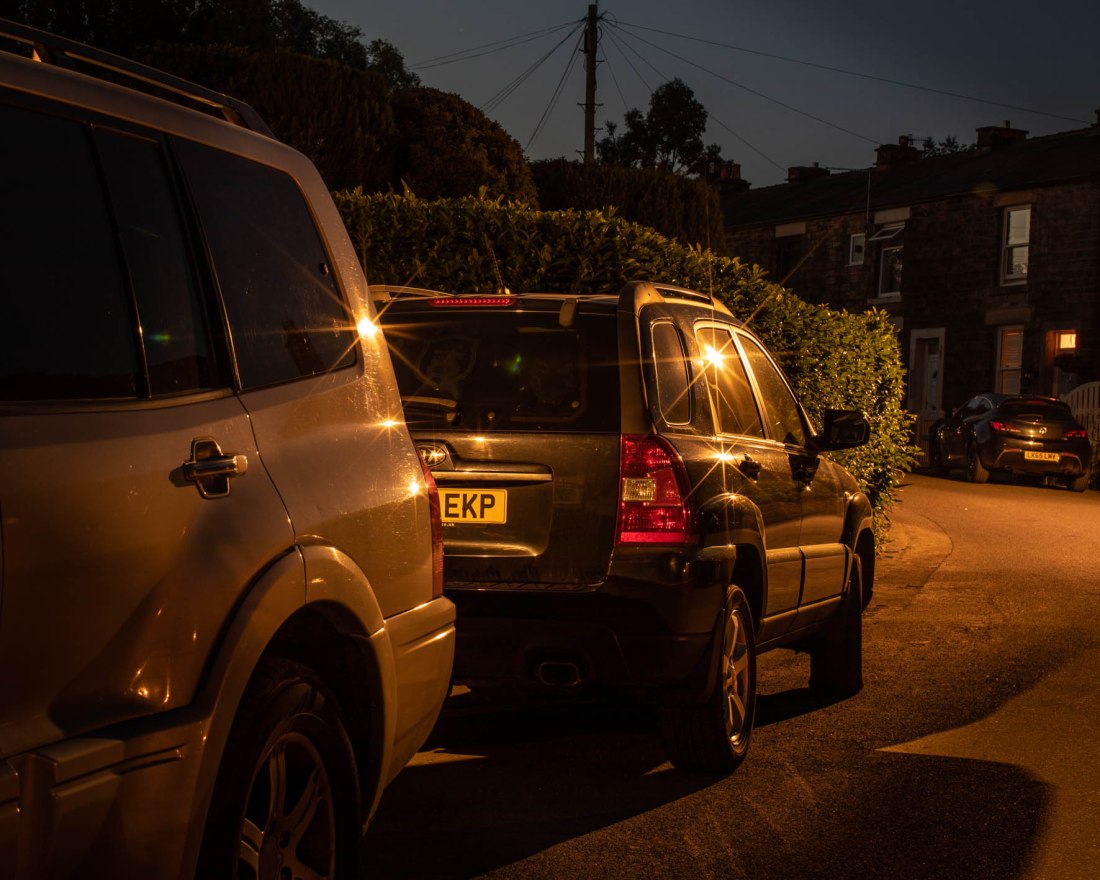
EYV Ass 4-4 shows the reflections of lights on parked cars.
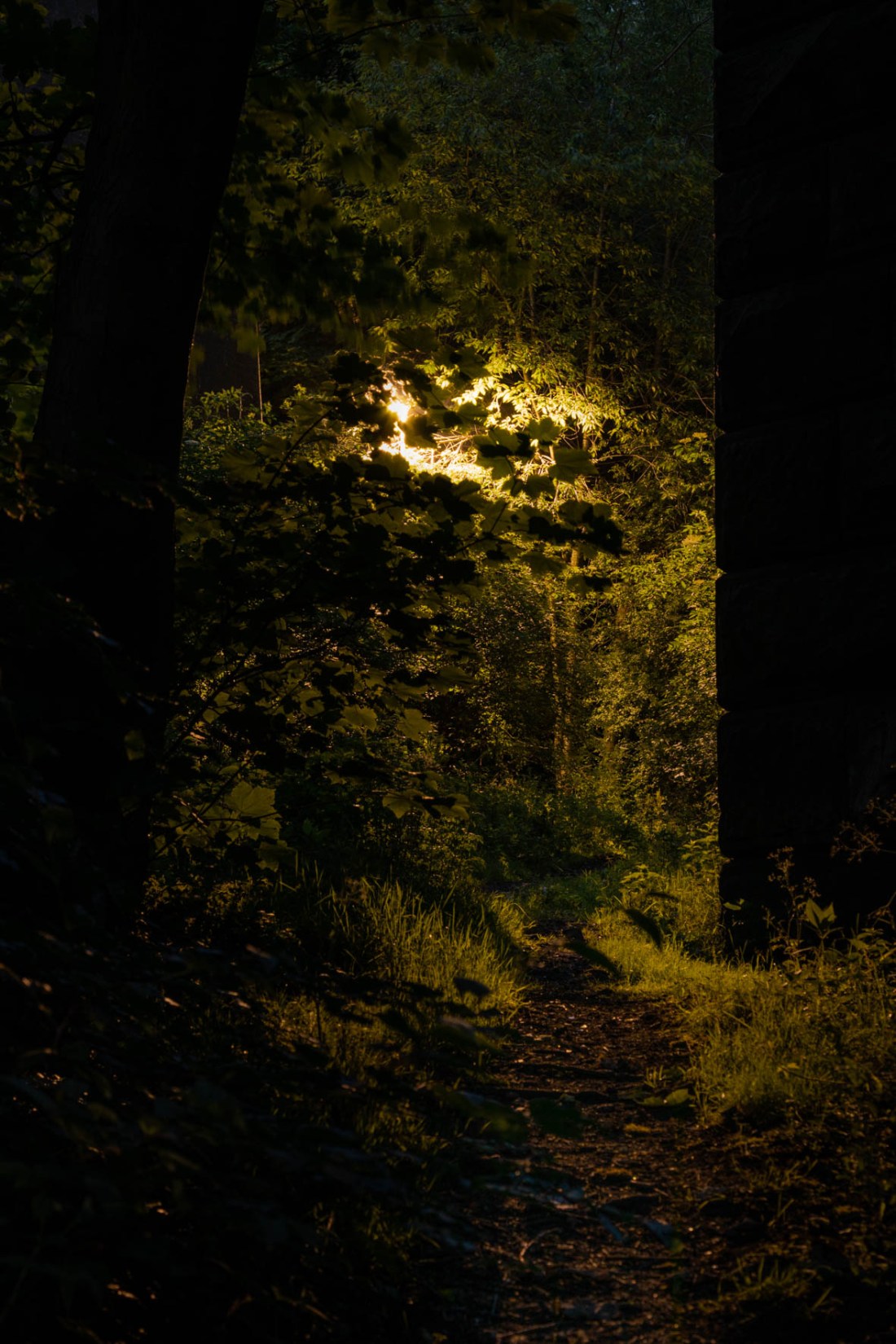
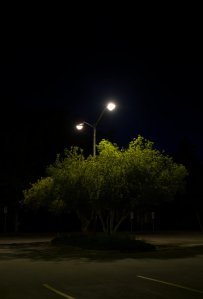
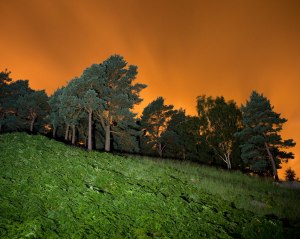
The unusual appearance of foliage when lit from unexpected directions is shown in images EYV Ass 4-40 and EYV Ass 4-34.
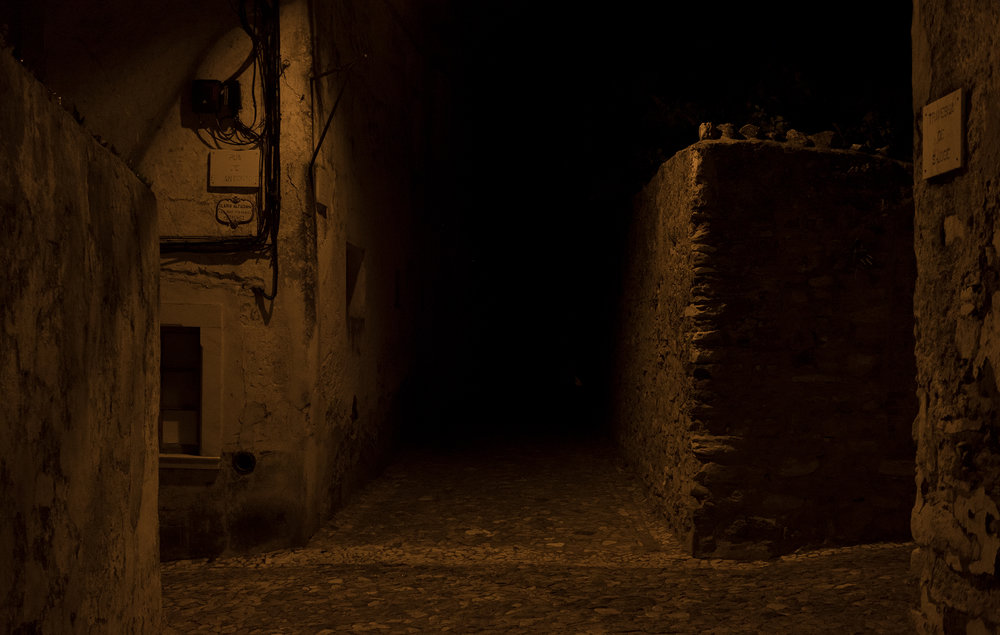
Images EYV Ass 4-1, EYV Ass 4-6, and EYV Ass 4-2 are attempts to capture the feeling of being present at night when everywhere is quiet and deserted, and the light gives a different appearance to common scenes.
Making these images has involved a great deal of experimentation on my part, this was a new direction for me. I think that while I have had to use imagination to imagine what the scene would look like at night, I actually learned as I went along that the image my camera produced was distinct and differed from the daylight scene in ways I found difficult to predict at first. I am not sure how inventive I have been, these are all taken in the immediate vicinity of my home.
References
References to cited work is in my post “References” in my learning log at ap231photography.com











 Andrew Procter