I have tried to analyse the work against the assessment criteria points for the course.
• Demonstration of technical and visual skills – Materials, techniques, observational skills, visual awareness, design and compositional skills.
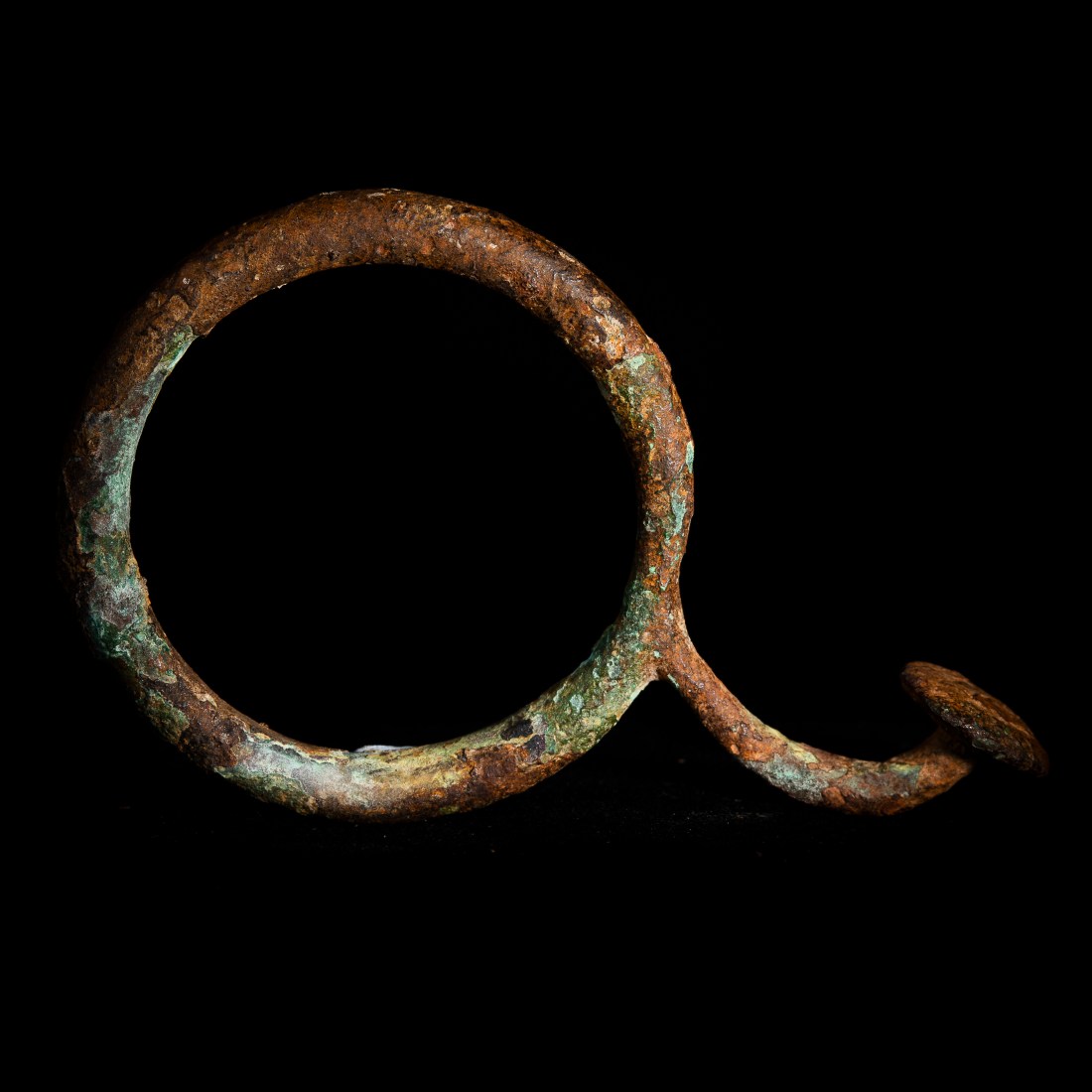
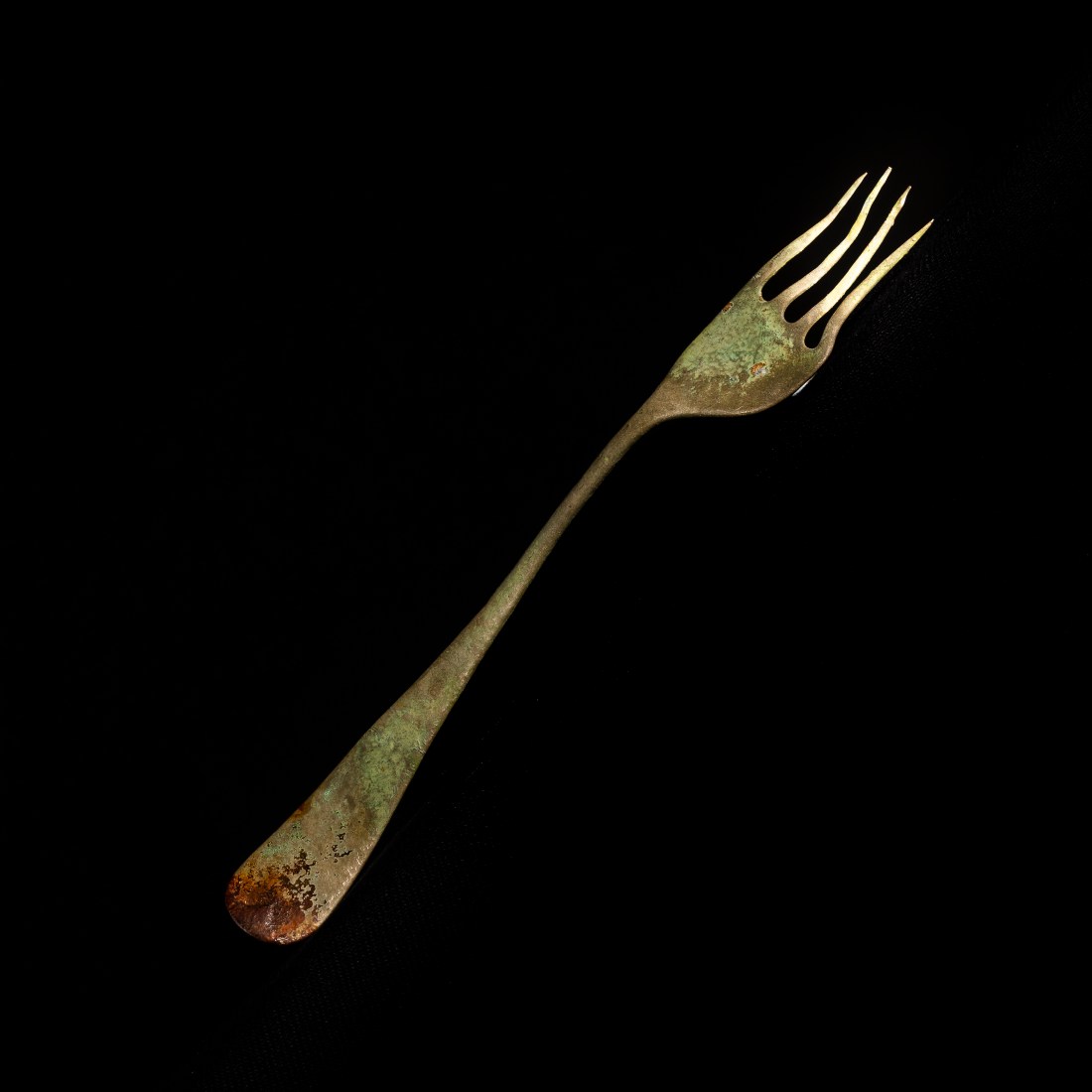
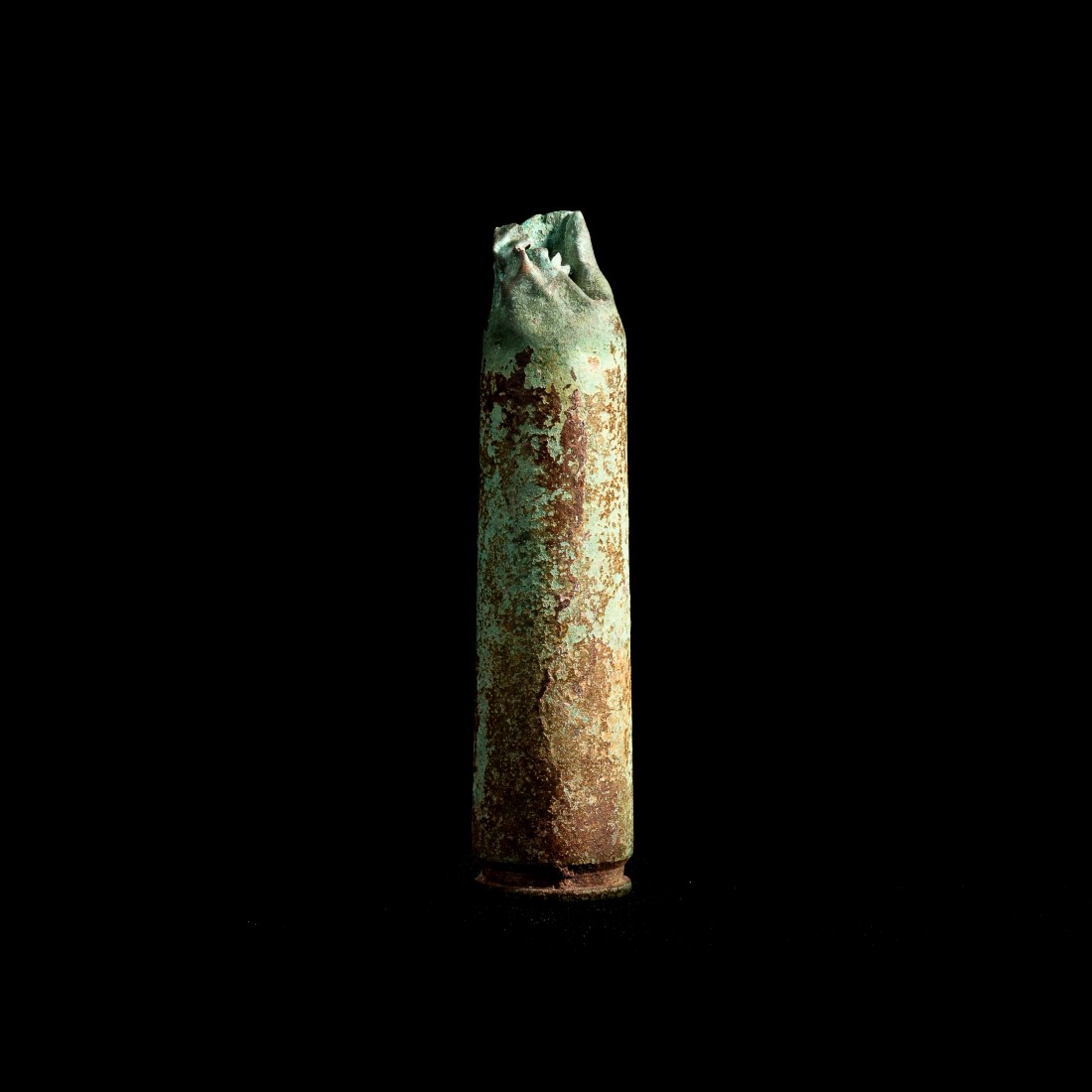
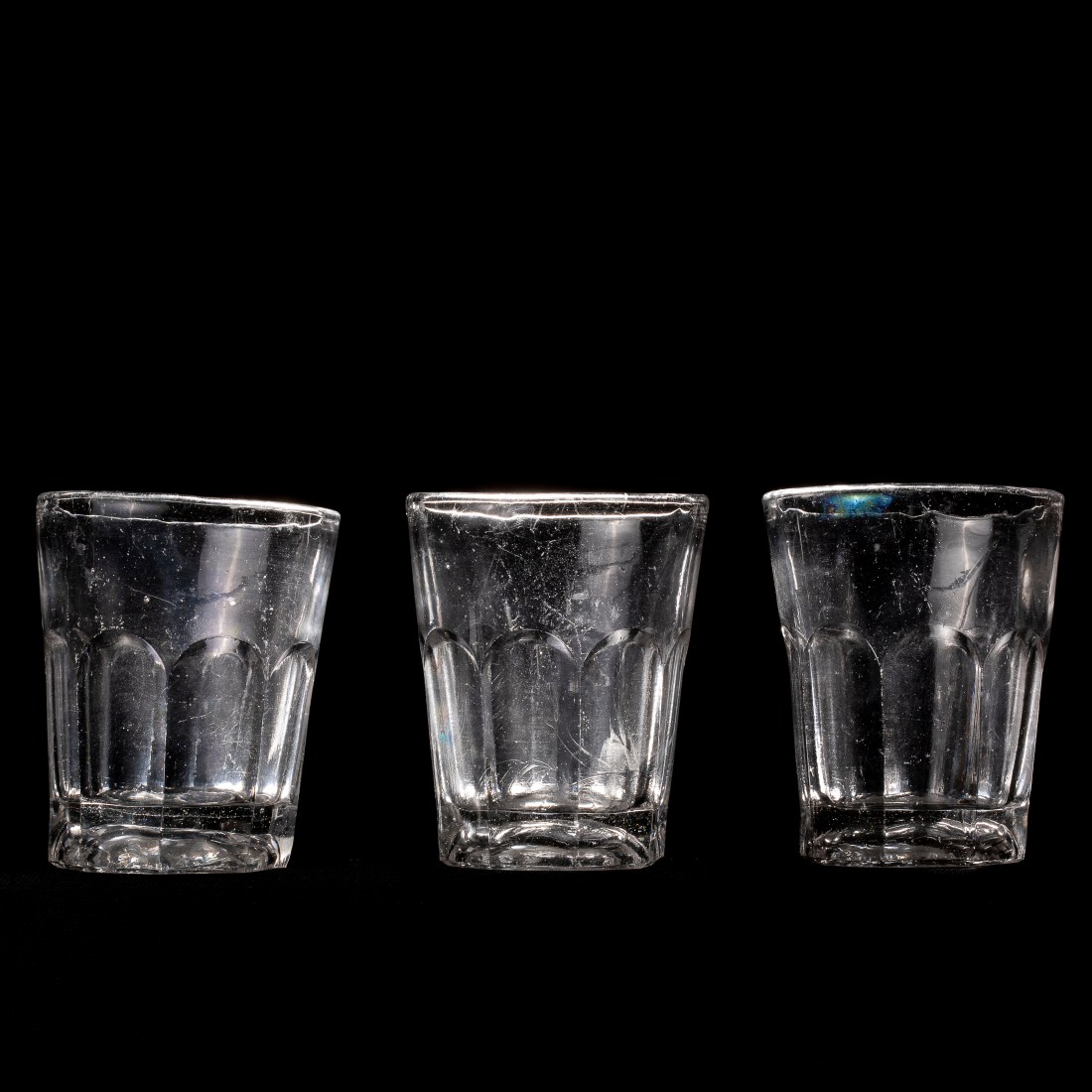
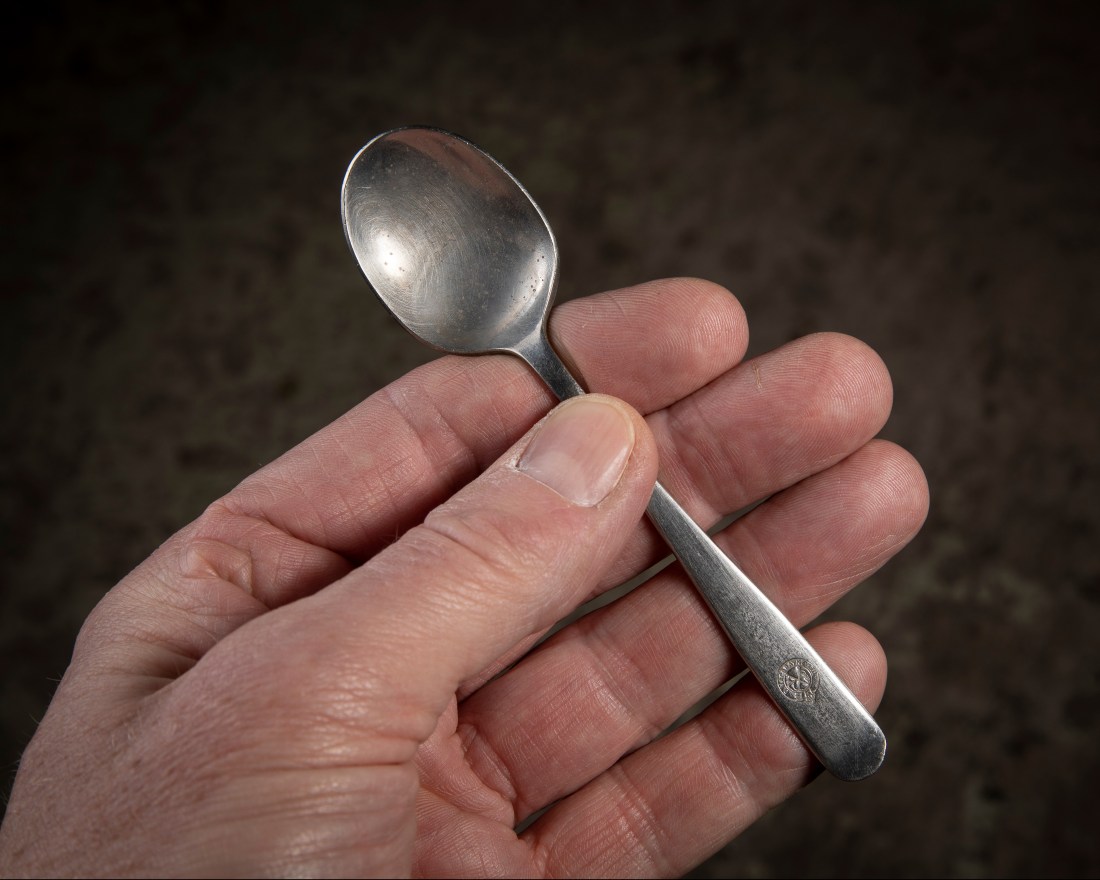
I believe that the images in this series, and those I took in the development of my approach show sound technical skills. I chose a viewpoint to model that of an observer with the object in their hand so as not to distort the perspective. I have photographed the objects in a setting where they are isolated from their backgrounds. I have lit the subjects so that detail is shown and the images are appropriately exposed and in focus.
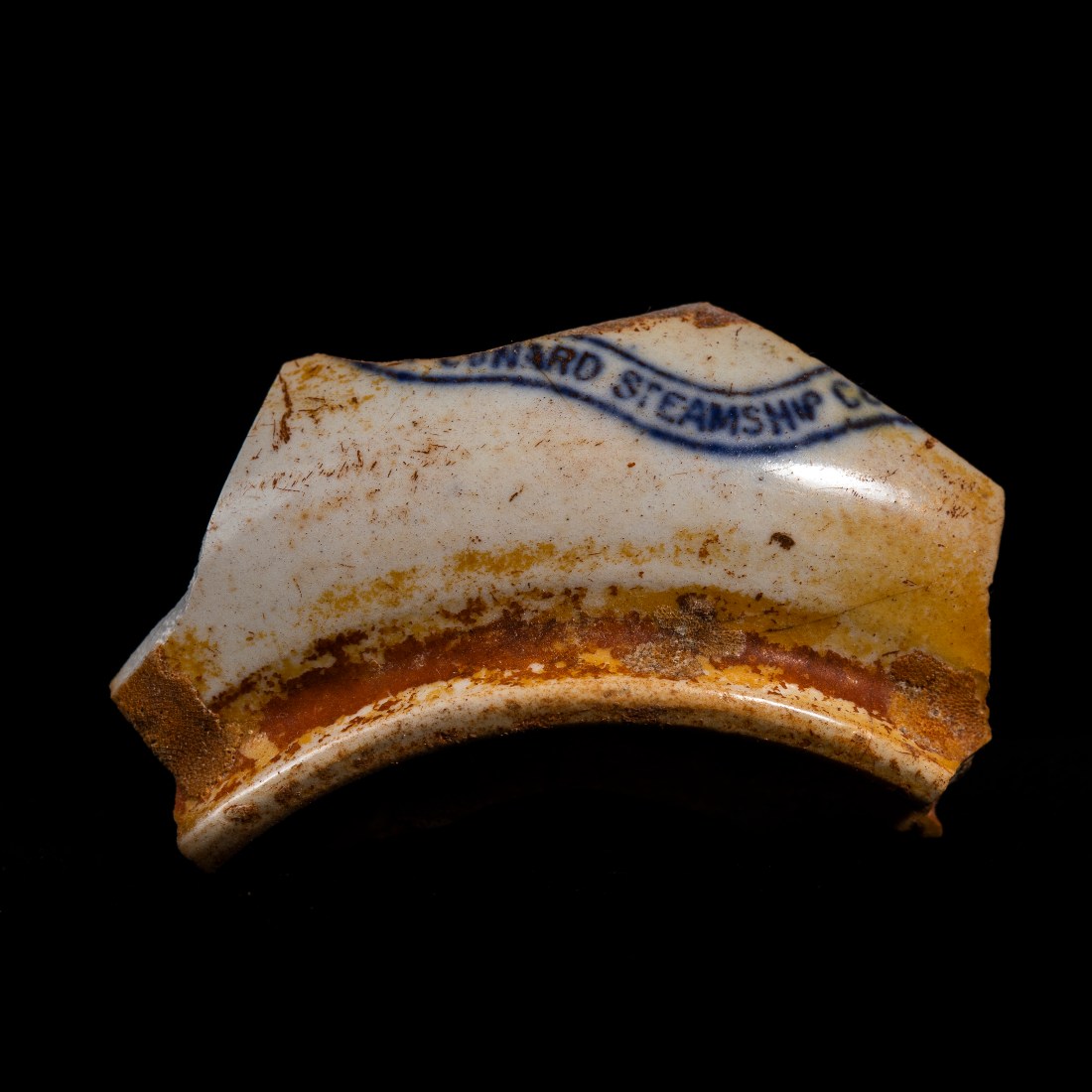
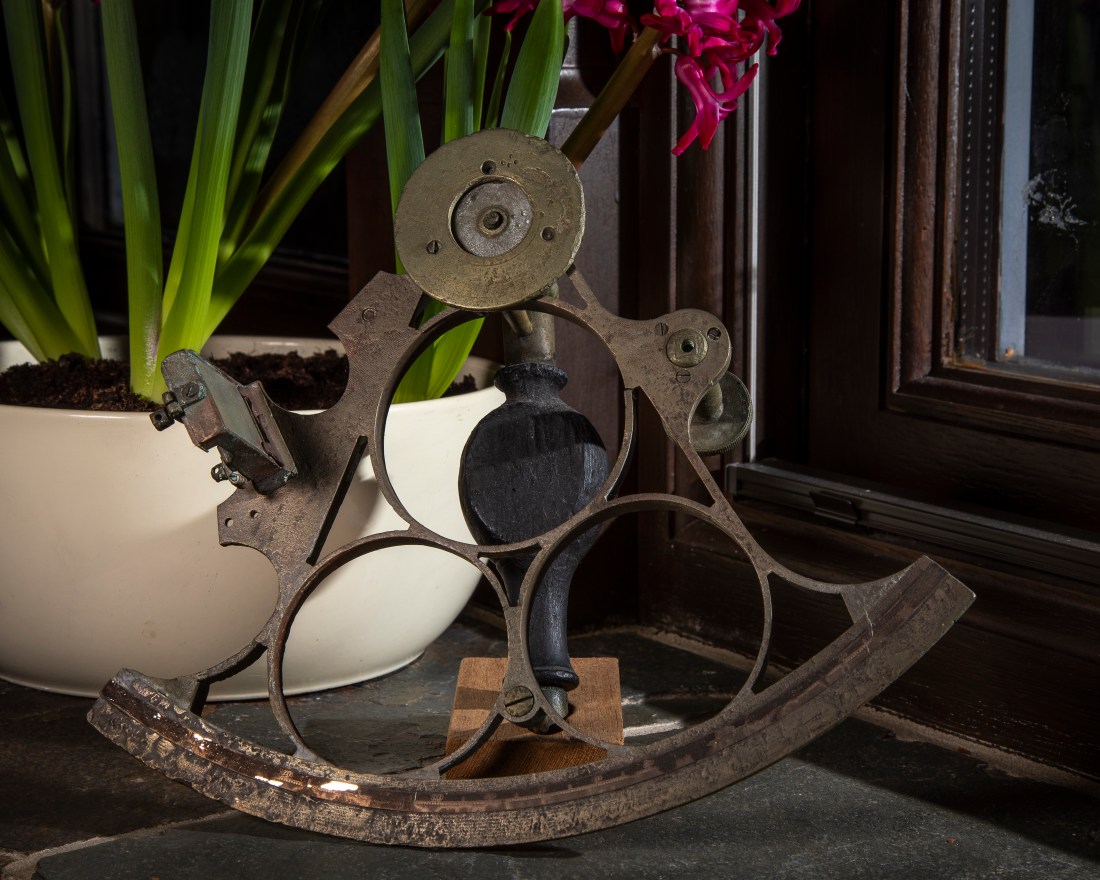
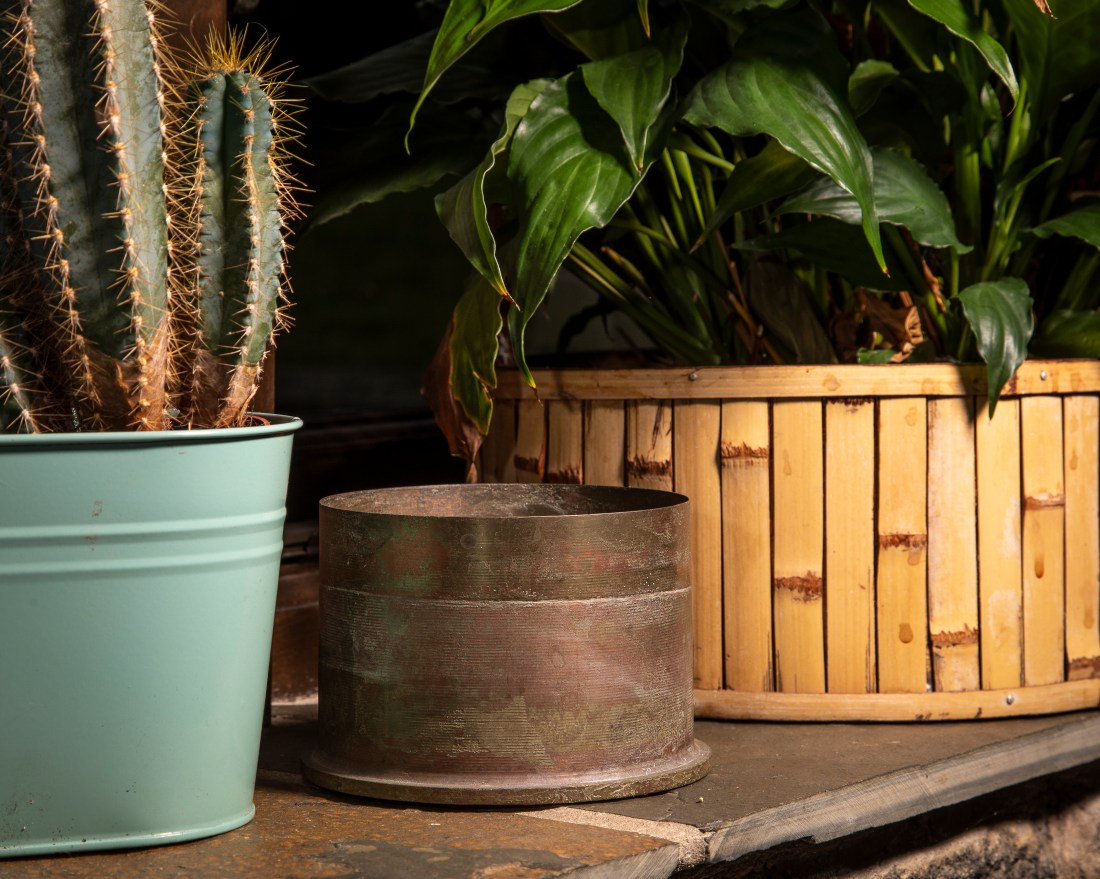
I could have achieved a separation from the surroundings using post-processing with Photoshop or similar, but have been able to achieve this effect with the setting and lighting. There are images where it is clear the object is sitting on a surface (most obvious in Artefact #2) however I am not sure if this detracts or enhances the effect – what can be seen of the surface lacks any contextual detail, and serves to demonstrate that I have not used a post-processing manipulation of the image.
In terms of composition – I chose a square format to avoid giving any cue as to the orientation of the object. The composition is of its nature very simple.
• Quality of outcome – Content, application of knowledge, presentation of work in a coherent manner, discernment, conceptualisation of thoughts, communication of
ideas.
In my blog I have explained the background to the work, and the effect I have tried to achieve. I have not yet sought other people’s views on this, but will be doing so.
• Demonstration of creativity – Imagination, experimentation, invention.
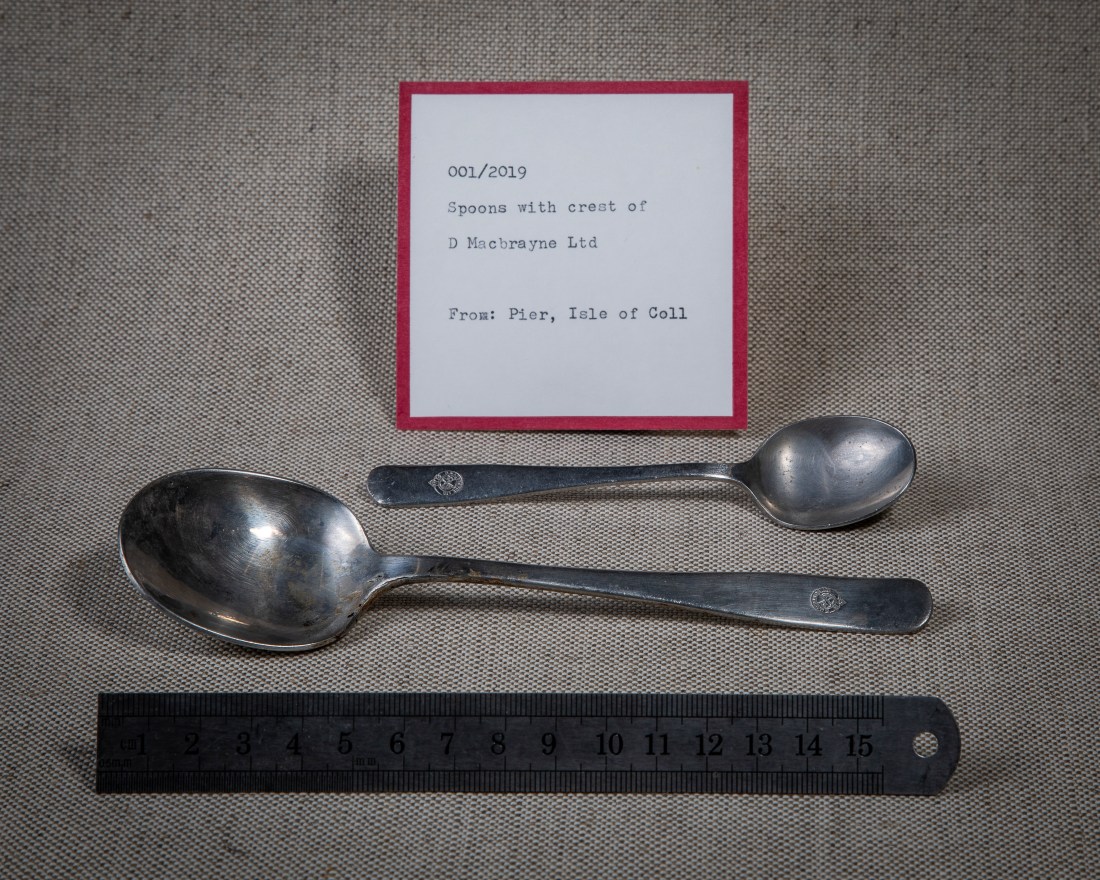
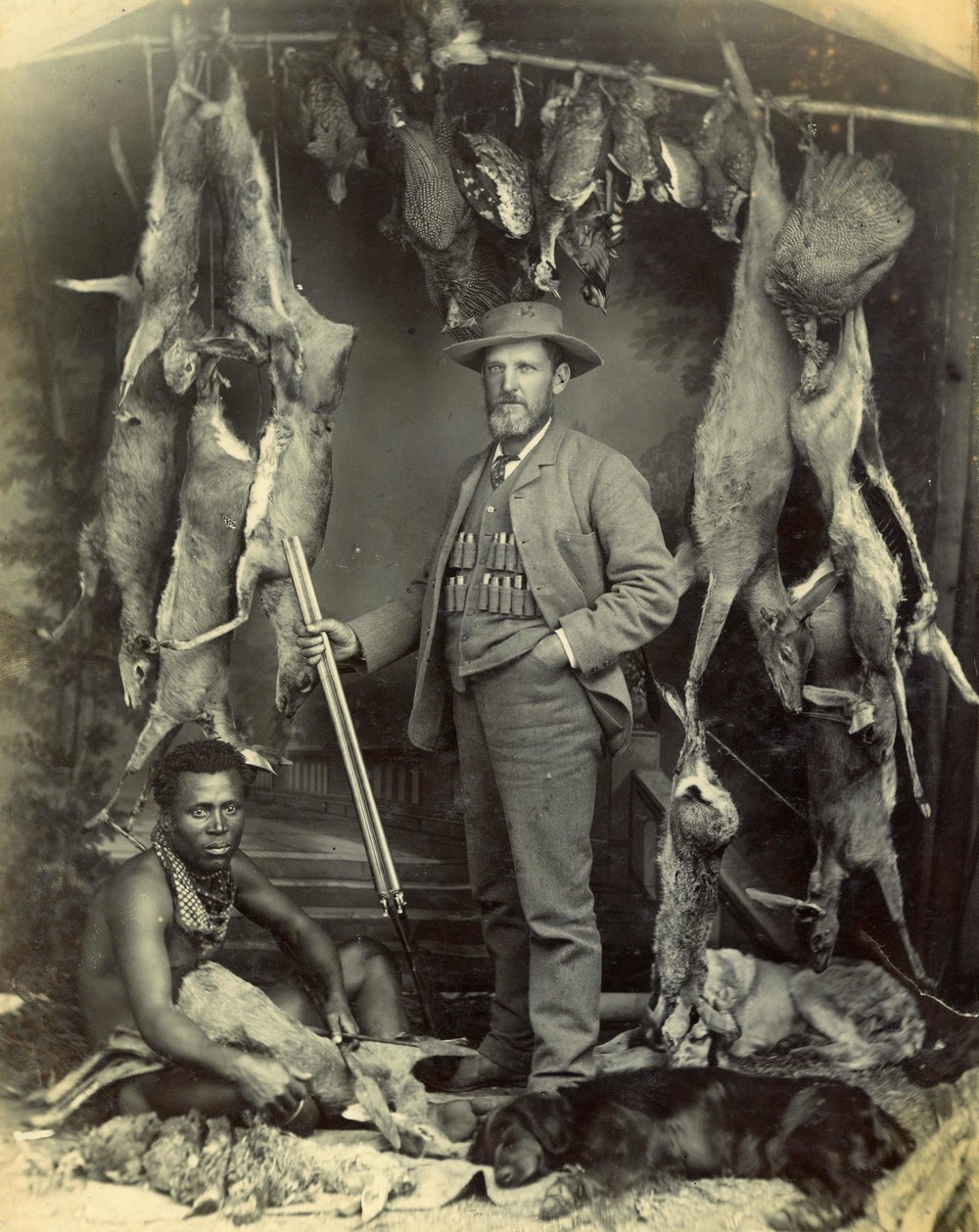
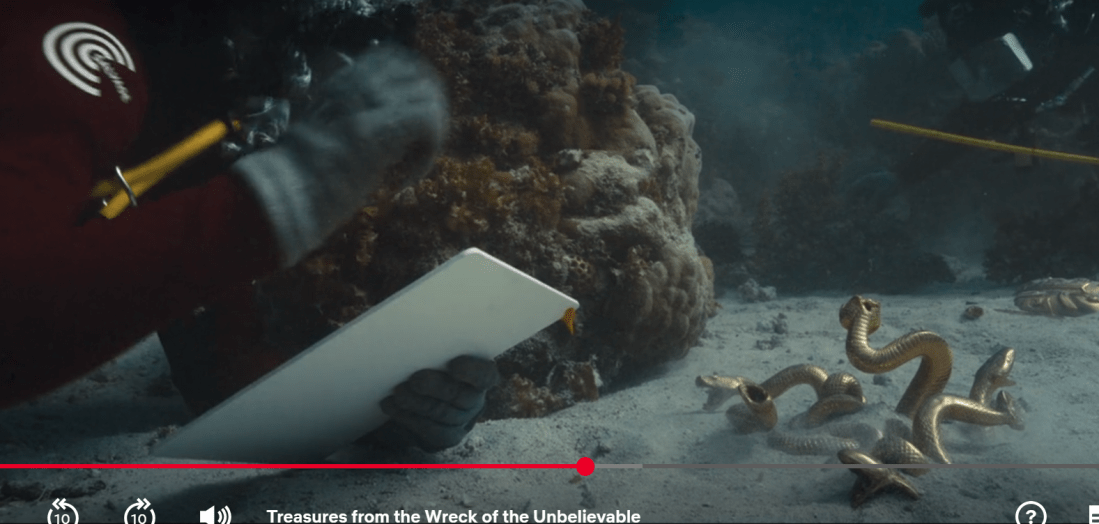
I have not used these techniques of lighting and composition in a “studio” before – so for me this was quite experimental. I cite similar works in my influences, but do not know the techniques those photographers used to achieve their result. The initial approach I had to the subjects of images of the objects in their normal locations and as museum displays is perhaps an obvious way to show these, but I believe fails to highlight the lack of important context which characterise these objects.
• Context – Reflection, research, critical thinking.
I have tried to reflect on my project as I developed it and looked at some other types of image of these types of collections.
What Worked Well
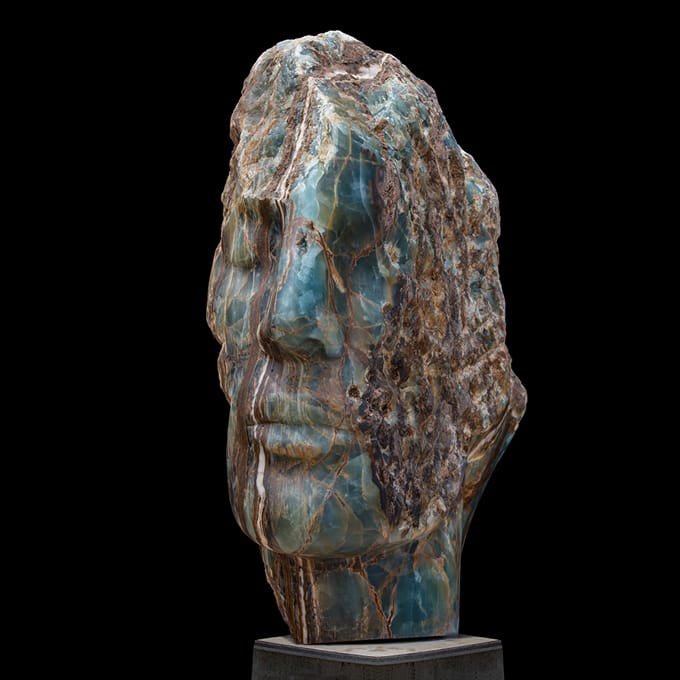
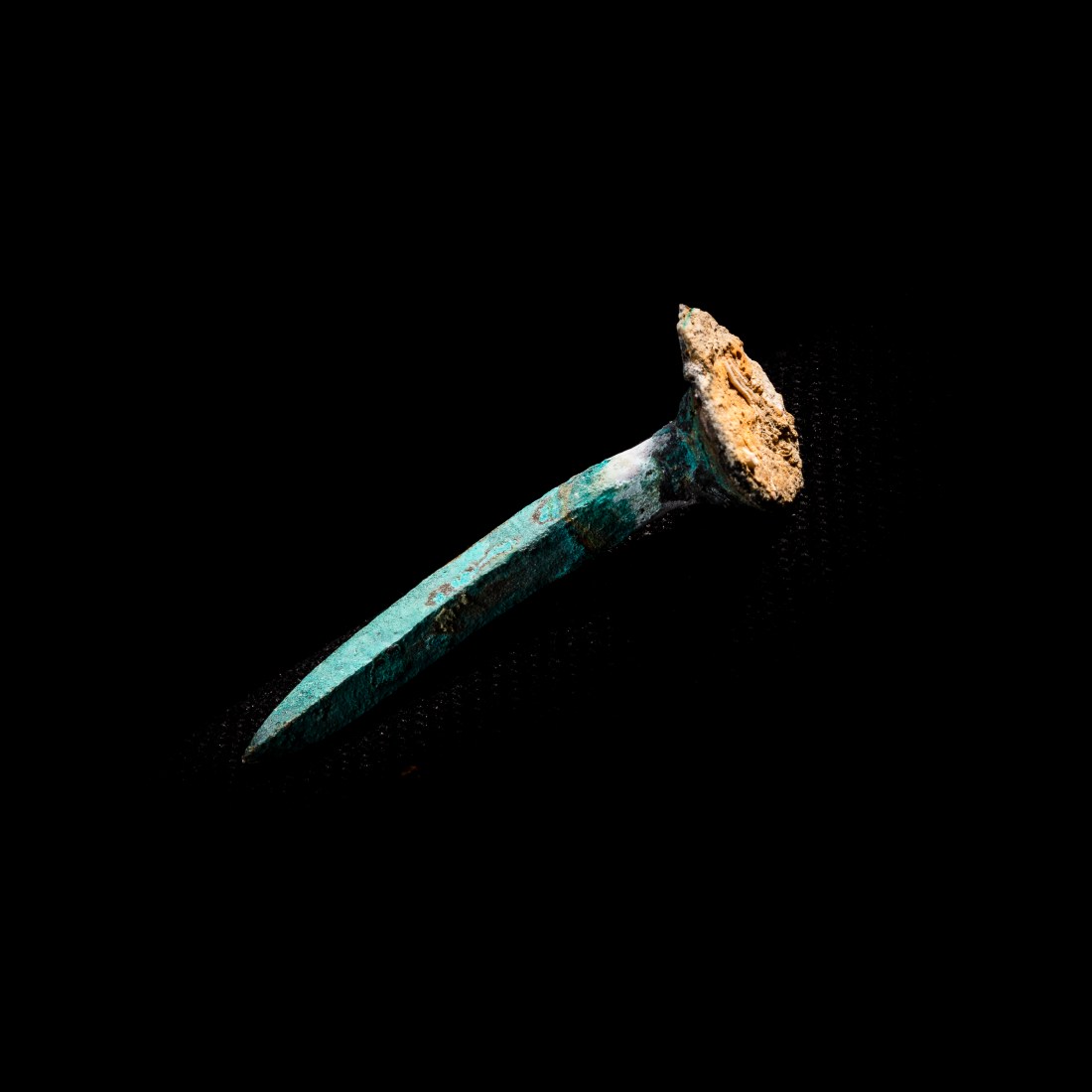
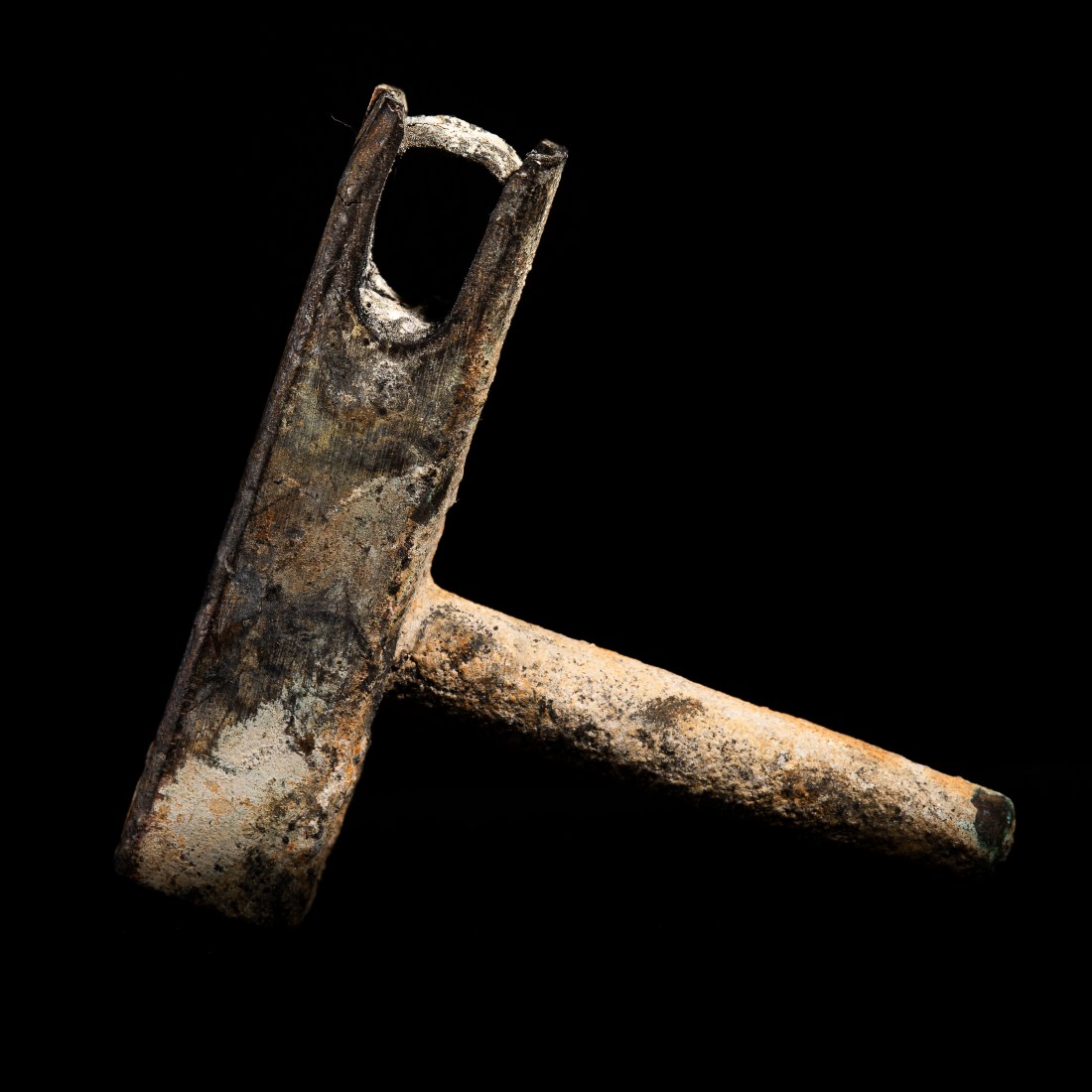
The final images I have made show artefacts recovered by amateur divers on a black surface against a black background. This was the effect I tried to achieve and in general has worked well.
The objects are appropriately lit and focussed.
What didn’t work so well
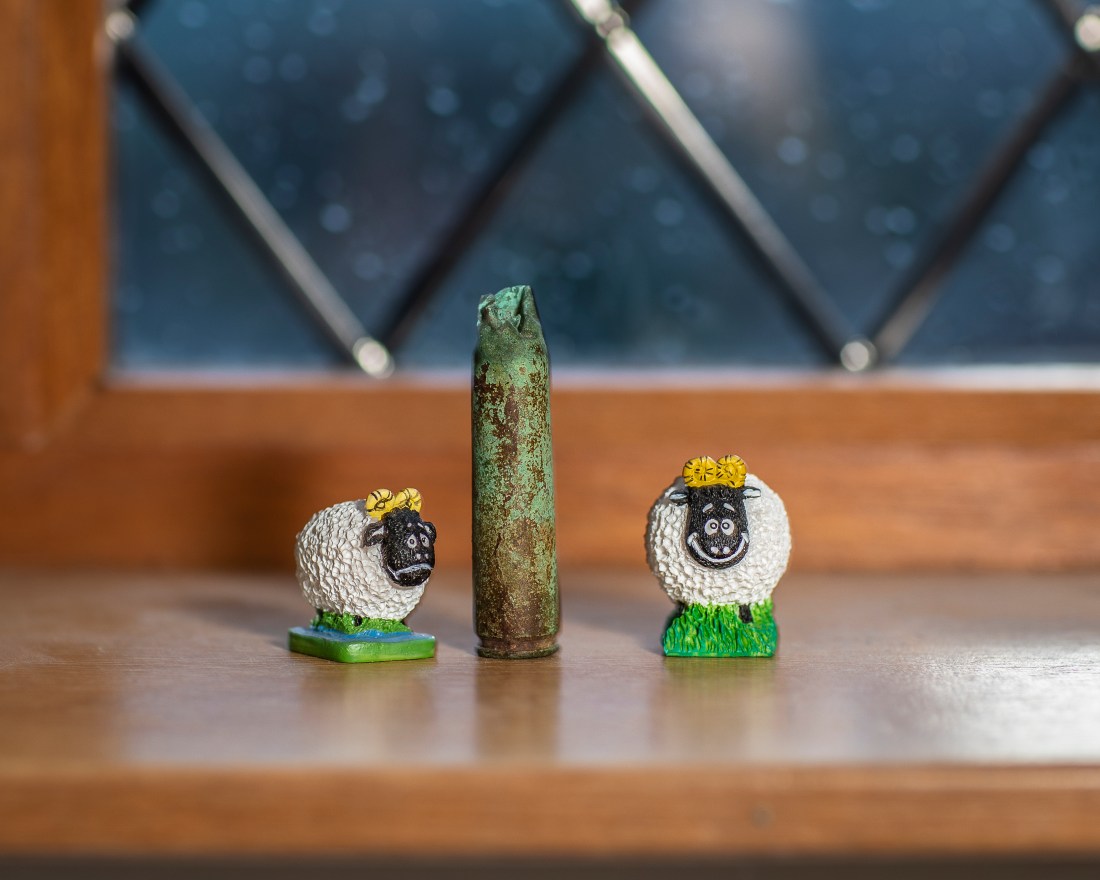
There are elements of the background apparent in some of the images and in those arranged along the diagonal of the frame may appear somewhat strange. (I composed the image on the diagonal by tilting the camera so as to maximise the size of the image). In some images traces of a support (“Blutack”) can be seen.
I am not sure that the images in the series are linked in any way, any one image could be removed without it affecting the overall series. These are a random set of objects which were available to me.
What I Would do in the Future to Improve This
The major improvement would be to somehow make the objects linked to each other. However, as the whole point of this series is that the objects are now isolated, removed from their original context it is hard to see how this could be achieved and not affect the overall aim of the series.
The other thing I would do is explore more ways of photographing such objects and the technique of displaying, mounting and lighting the objects to most effectively show them separate from their background.










 Andrew Procter