Brief:
Take a good number of shots, composing each shot within a single section of the viewfinder grid.
evaluate the whole frame, not just the part you’ve composed
Select six or eight images that you feel work individually as compositions and also together as a set. you might like to present them as a single composite image.
I took these shots in the evening as the sun was setting – some of the locations were therefore quite dark.
I have had the camera set to Automatic as directed in the original brief at the beginning of this section. As a result many of the images appeared unsatisfactory to me as they lacked detail in many areas of the frame.
(My reflection: as this is an exercise in Form rather than Content, I wonder if my initial assessment of the images is that they do not reflect the content of what I was taking, rather than forcing me to concentrate on the overall form of the image, and the elements of the composition.
However notwithstanding this concern, I felt it appropriate to adjust the images in Lightroom to achieve a more satisfying end result. I have not cropped these except to correct horizontal orientation as I had not held the camera level for all.
Examples of pre- and post- processing images are shown here.


One impression on looking at these images side by side is that the un-processed image has larger blocks of shapes, rather than a lot of detail. The detail gives a more (to me) striking image – especially the second pair (“Swineshaw Reservoir”), but the unprocessed one is a more abstract image, reduced to major component elements.
The images I shot for this exercise (post-processing) are in contacts sheets here.
The images I have chosen which I think work as individually and together include these
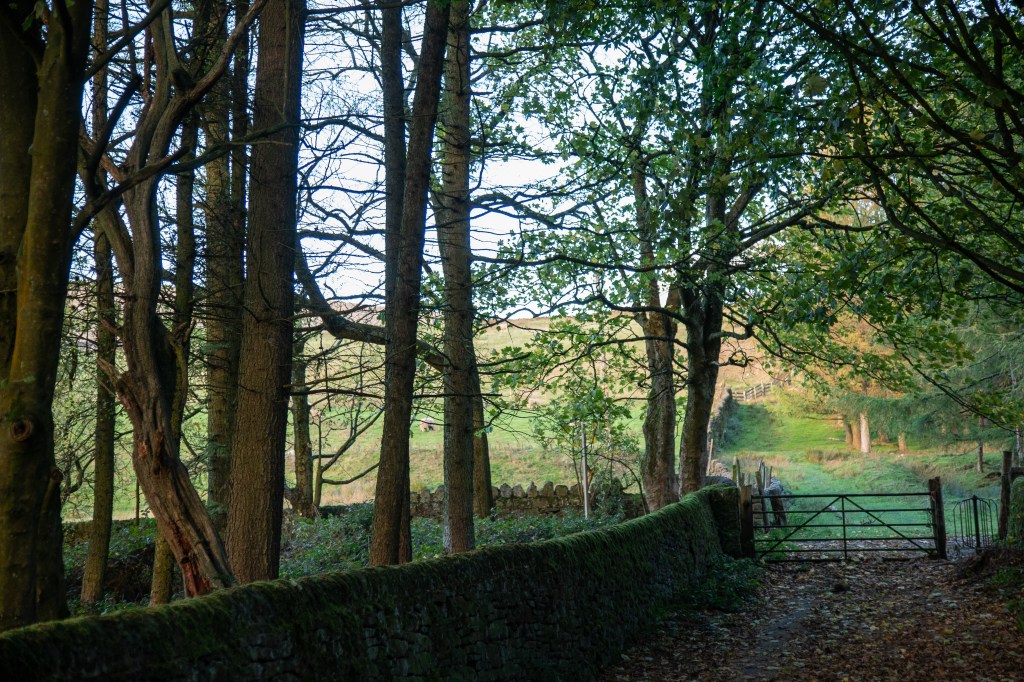

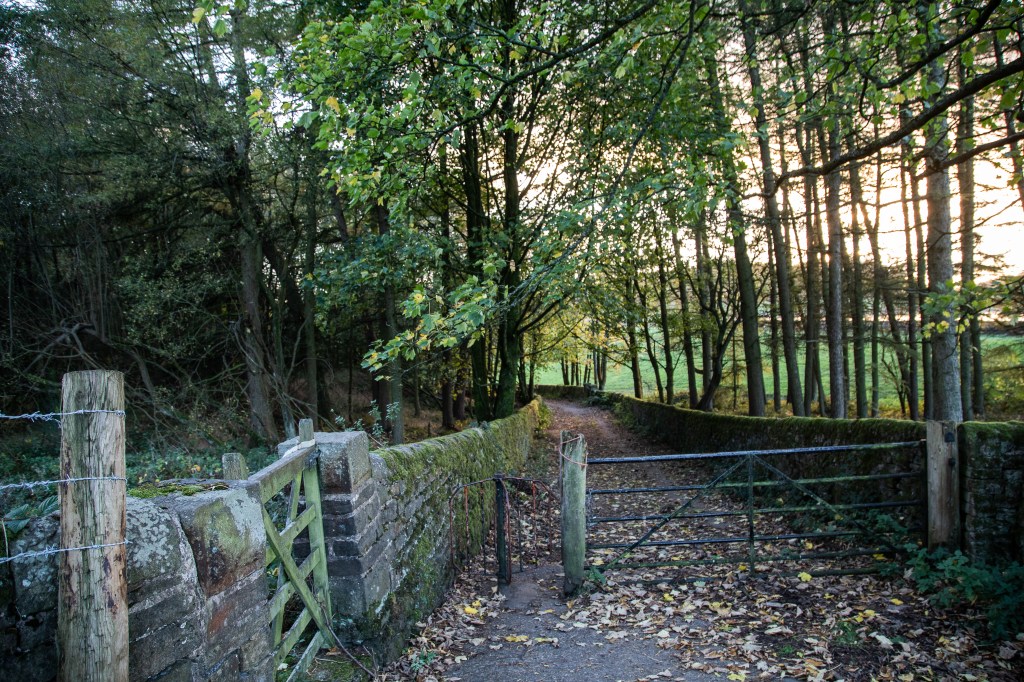
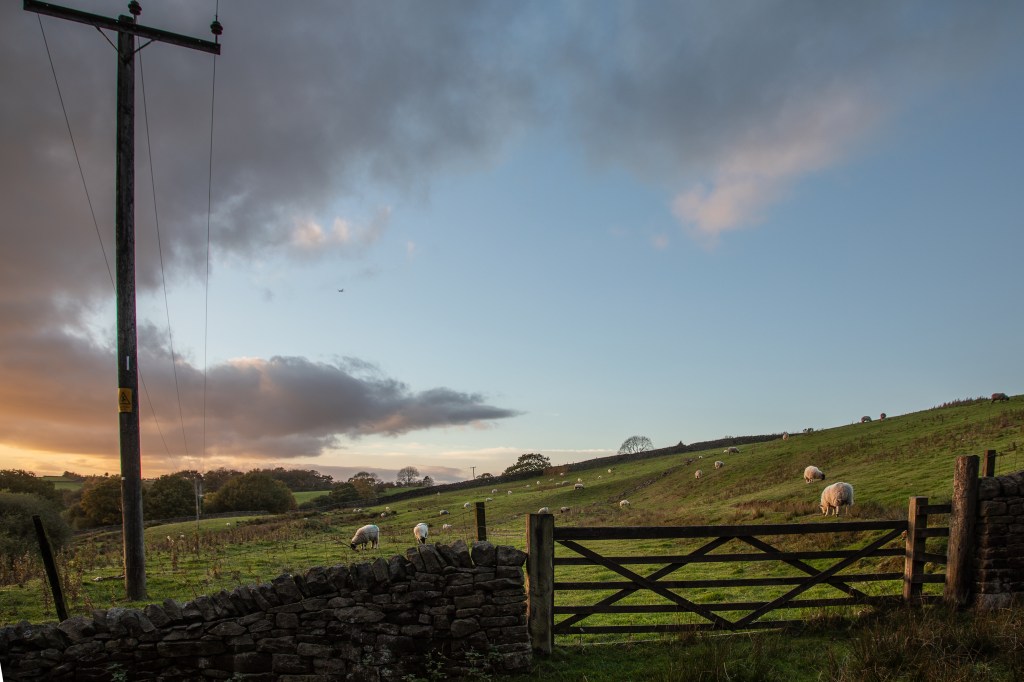

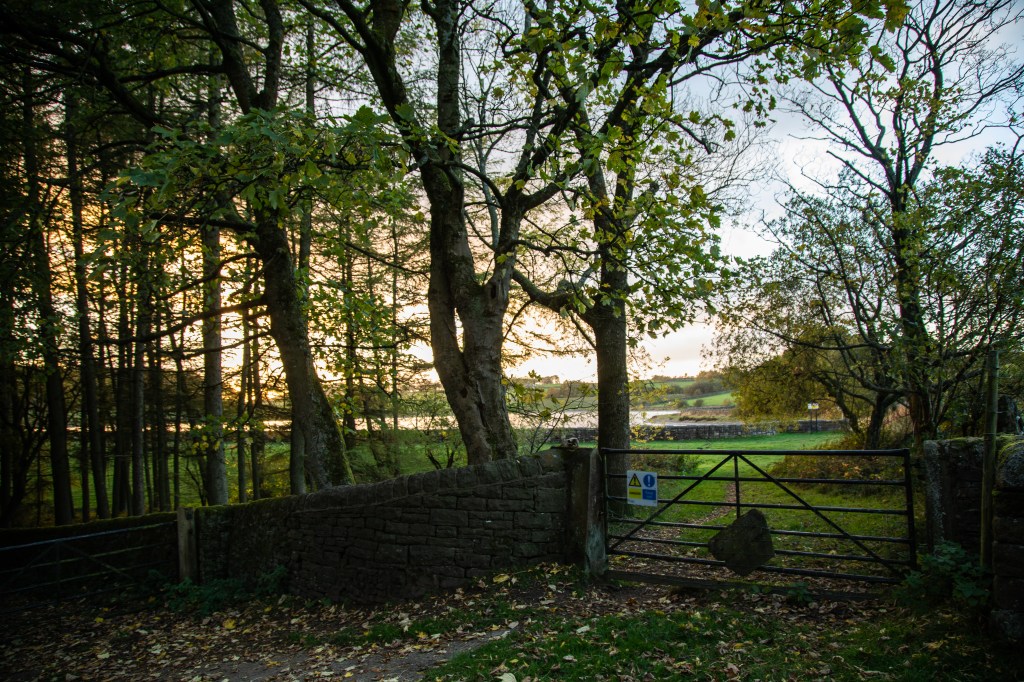
Again, I am struck by how I have concentrated on the content here, as many of these include a gate, although the gate is crucial to the composition to draw the eye into the frame and explore the image. In each image the gate acts as it does in the real world as a divide between distinctive areas with different features. The Blackshaw Clough gate separates the darker woodland from the lighter fields and in the images it is not always possible to see all of what is on the other side.
Other images I took during this exercise also lend themselves to presenting together.
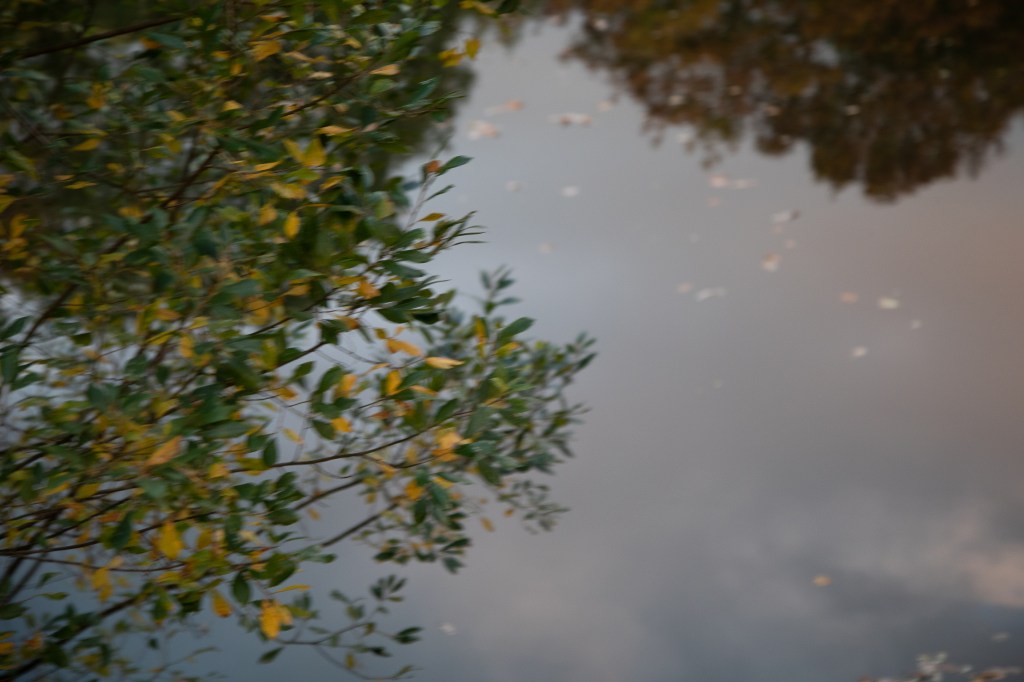
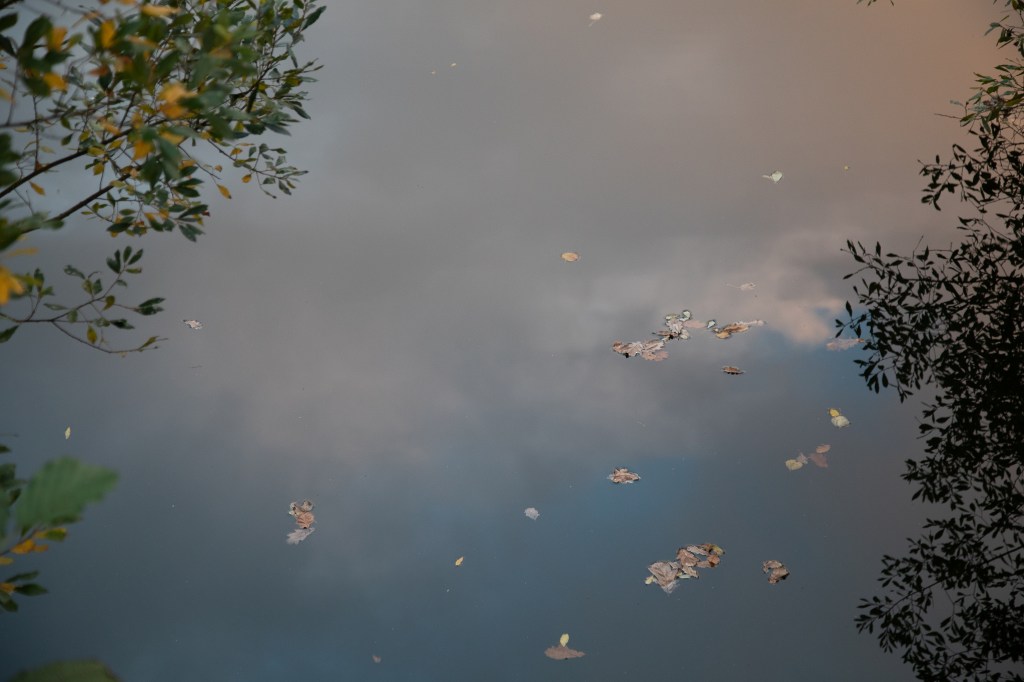

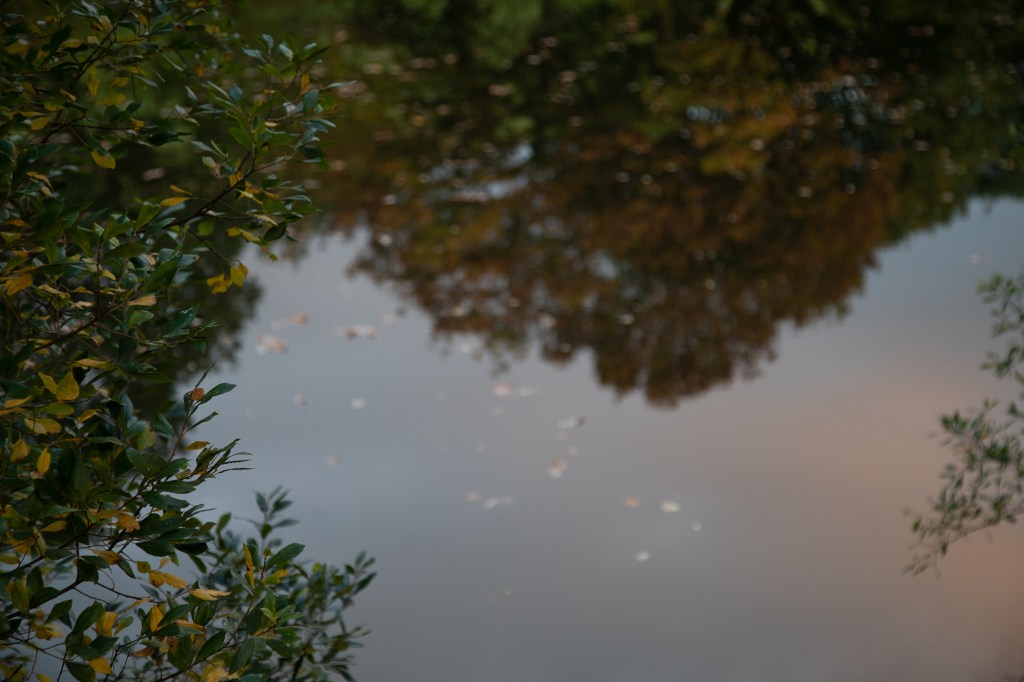
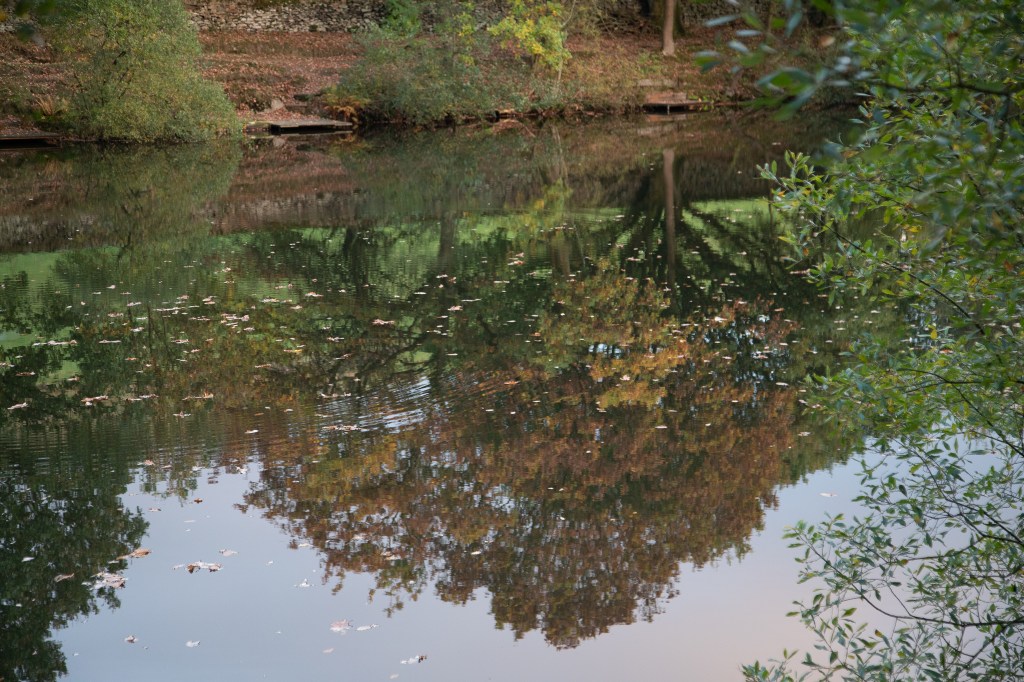
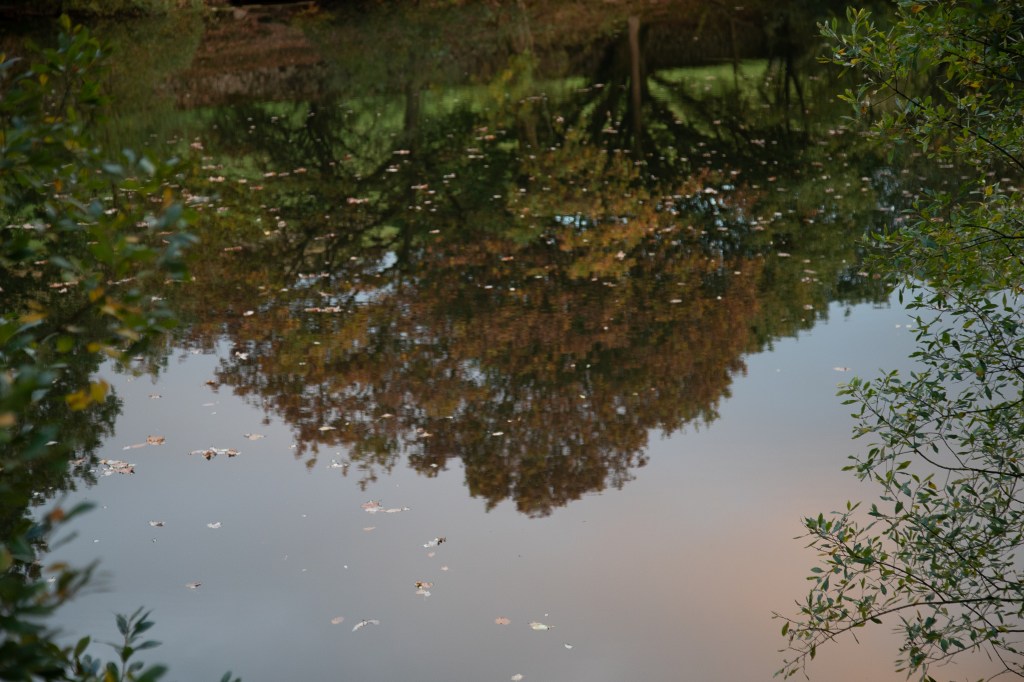
The three images on the lower row here all include a reflection of a tree, and together form a pleasing inverted triangle, similar to the overall shape of the tree.
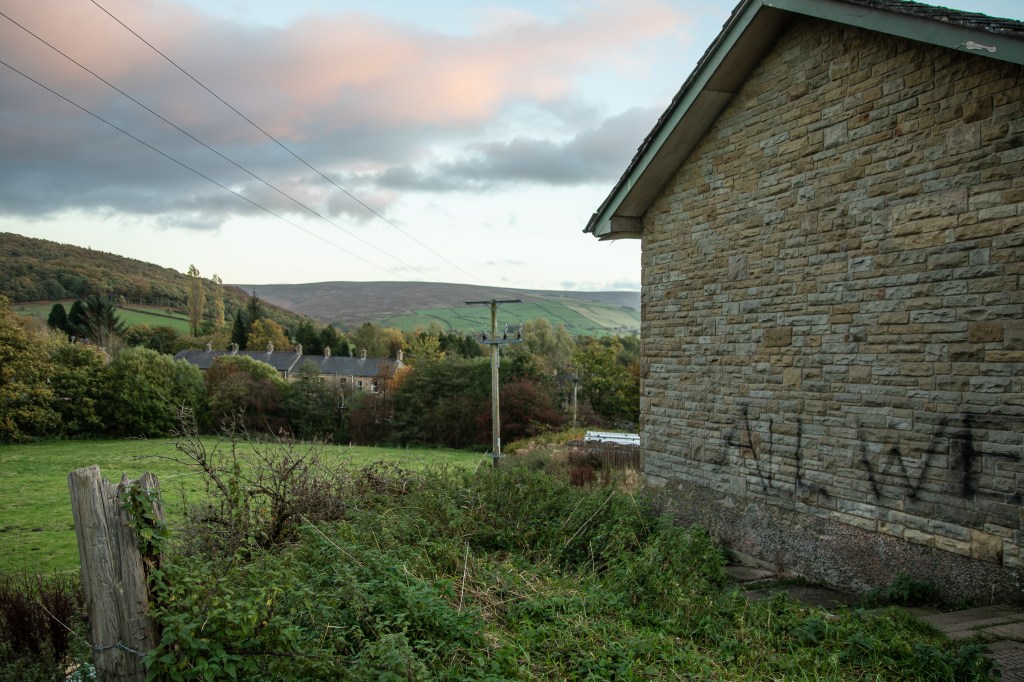


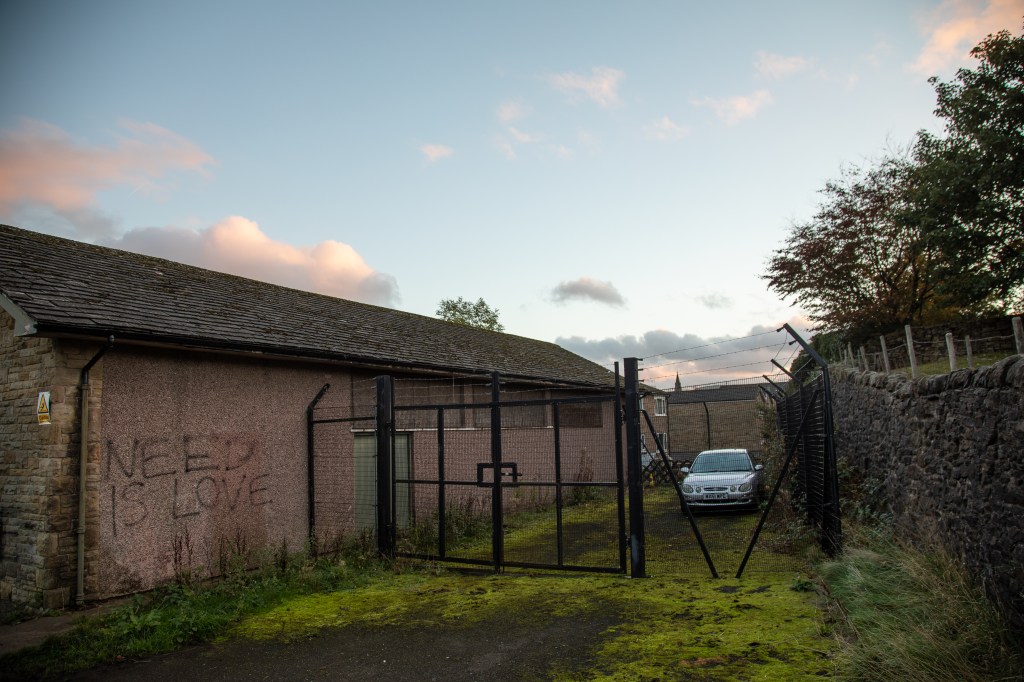
In this series diagonal lines from one image are picked up in the adjacent image, on the top row, the right hand end of the roof, continues as the line of the top of the cloud; in the lower ones the angle of the roof continues from one to the other, effectively suggesting a curve.
Digressing into content for a moment, the graffiti builds up the overall message from one frame to another, the first “All we..” continued in the second as “need is love”; the left hand image on the lower row shows the whole statement, and the last the phrase “need is love|”” again.










 Andrew Procter