OCA North Meeting, Manchester 15/06/19

OCA North Meeting, Manchester 15 June 2019

Venue: Whitworth Art Gallery, Manchester

This was the second of these meetings I have been able to attend.

The plan for the day was:

  • a presentation on her work by tutor, Dr Rachel Forster (drawing and creative arts tutor)
  • general discussion
  • presentation by participants of their OCA work– three students (myself and two others presented their work). I presented the images I had put on my website for the “Frozen Moment” exercise, as the latest work I have done for my course. There was a presentation of an exercise in progress by a textile student and another of images depicting “forgetting” by a level 3 photography student.

I had several aims from attending.

These included general aims similar to those I had for the last one I attended in Leeds, which was to gain a greater understanding of studying with the OCA. In addition I had aims based on my objectives I have described in my plan

Assessment and appraisal skills – how to critically assess a piece of work, including that of others as well as my own.
There were opportunities to see photographs of the work Rachael and the prisoners had produced. I found that as these were mural paintings and so it was interesting to evaluate these. One point I was interested by was the incorporation of emotionally loaded words in wall coverings for spaces for psychological therapy/work. I have seen this in many other settings and I am unclear why it seems to be considered important in a primarily visual medium. When I asked about the rationale Rachael said it was the one element specified by the group commissioning the work (the psychology department!).
Similarly the presentation by the other students enabled me to see and discuss other styles and media of work.

Gain a better understanding of other art disciplines and influence on photographic work
I think the day has helped me primarily in this objective. In particular, the presentation and discussion led by Rachael Forster was around the development of murals and other artworks by groups of prisoners. The discussion was around the effects of art on both the observer and artists and the effect of art work on spaces.

The presentation of work by a textile student was of a medium very different from photography. However there are elements of shared understanding around colour and texture particularly, and the differences seem to be mainly in technique rather than purpose and output.

My personal development in the Assessment area of “Demonstration of creativity – Imagination, experimentation, invention”
I do think that my own development of imagination has extended by looking at examples of what can be achieved and also the use of techniques other than photography.

Another aim of the day for me was to present my own work. I wanted to be able to explain what I was trying to achieve and then get feedback on this. Up to now I have made images and while they are on my website, I have rarely actively sought reactions from others about them. There is an element of desensitisation involved in this for me. I think I do make the images to share; if I believe in them then I need to share them!!

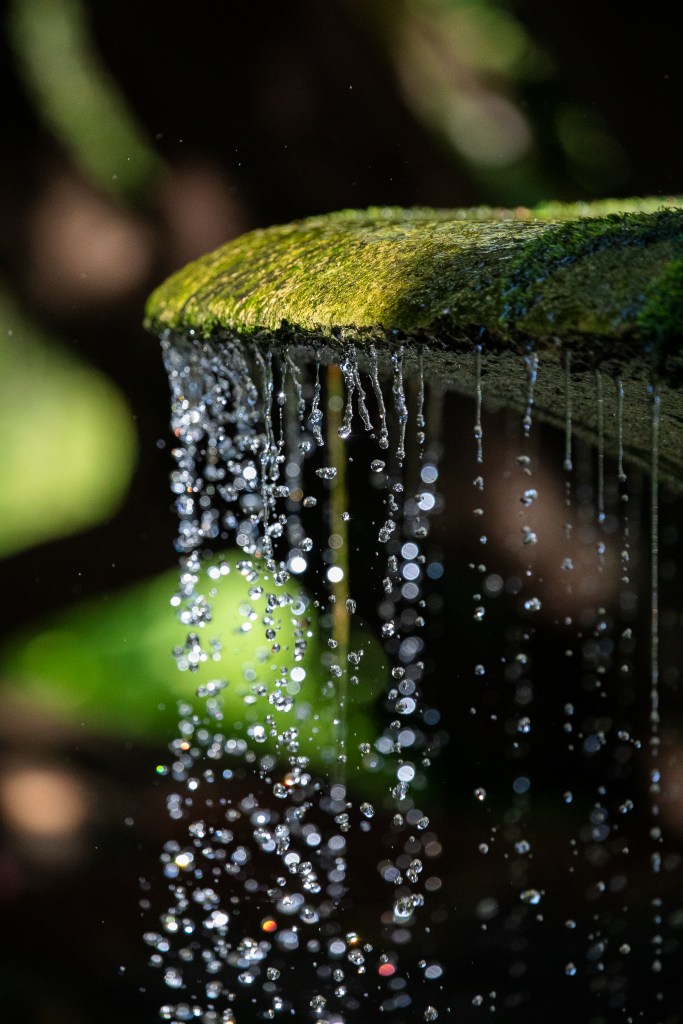
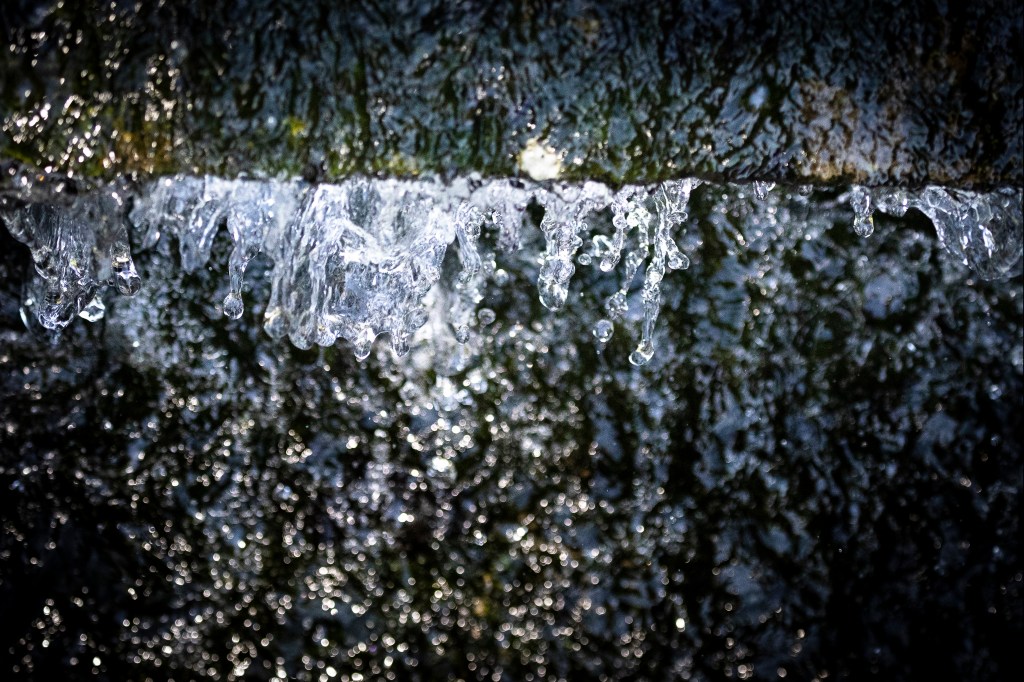
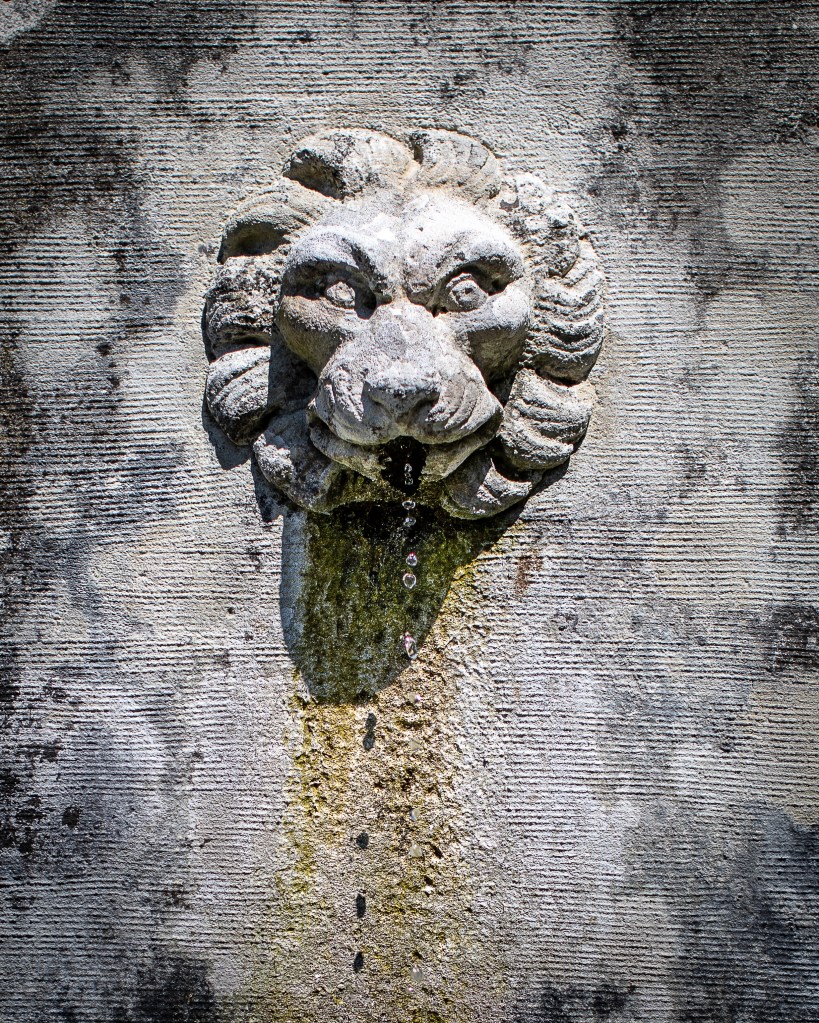
This was the first time I have done this. I think I was able to explain the rationale as to how I approached the exercise. The feedback was positive, and I was pleased that others appreciated the same aspects of the images of the fountain which I did. In particular the quality and nature of the light as it illuminated the droplets of water. The moss on the fountain has a distinct textured effect which was appreciated particularly by the textile students.

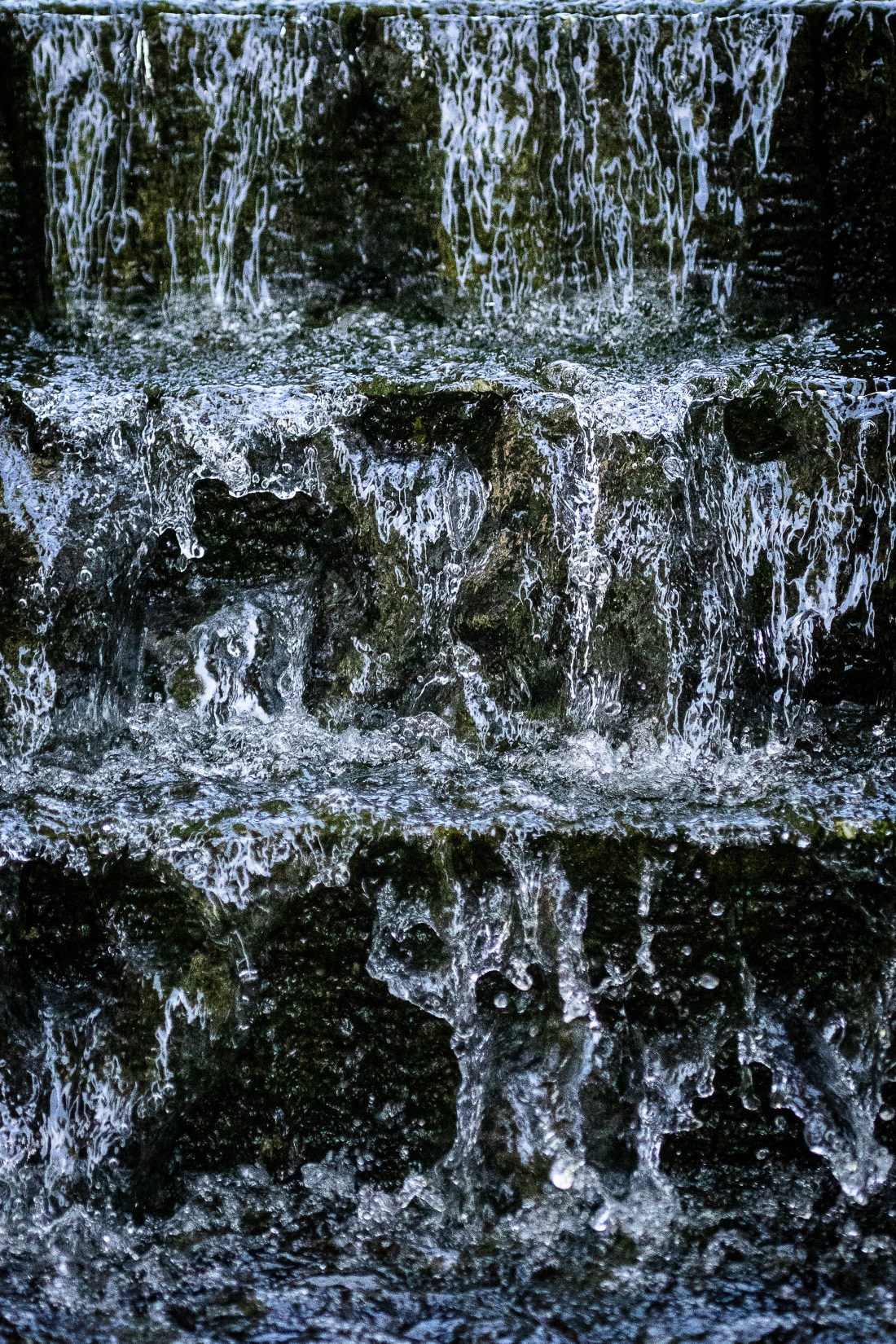
For improvement the suggestion was made to crop one of the images to make it more removed from context and more abstract. I had been thinking this myself, but kept it in to show the setting for the later pictures. However the cropped image is very effective and making it more abstract enhances the appearance of the shapes revealed by the fast shutter speed:
 

2019-06-06 Holker-52-2

Part Three/Project 1: The Frozen Moment: continued

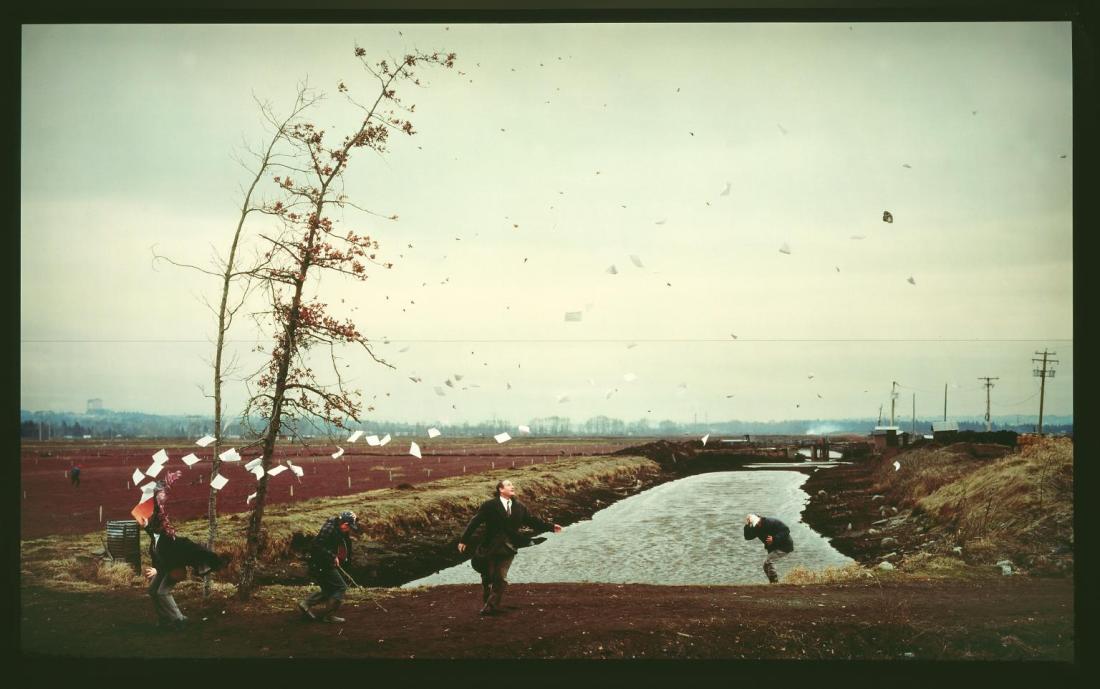
I examined some of the work by Jeff Wall, an artist whose work, Milk, is presented in the course notes. One of the other works by Wall I came across also explores the ability of the camera to freeze time. That is A Sudden Gust of Wind (after Hokusai). This image is, like Milk, also displayed in a light box, and is a collage of images made by Wall of actors in a landscape photographed over a five month period.

A Sudden Gust of Wind (after Hokusai) 1993 by Jeff Wall born 1946
A Sudden Gust of Wind (after Hokusai) Jeff Wall 1993

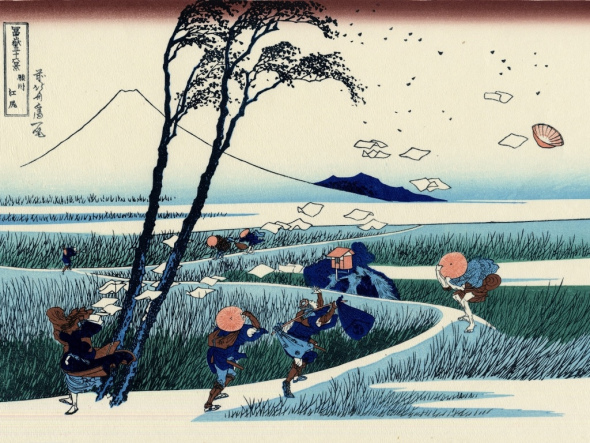
It is based on a woodcut, Travellers Caught in a Sudden breeze at Ejiri  from the portfolio, The Thirty-six Views of Fuji, by the Japanese painter and printmaker Katsushika Hokusai (1760-1849). (https://www.tate.org.uk/art/artworks/wall-a-sudden-gust-of-wind-after-hokusai-t06951 : Accessed 14/06/19)

travellers-caught-in-a-sudden-breeze-at-ejiri-ca-1832-a-woodprint-by-katsushika-hokusai
Travellers caught in sudden breeze at Ejiri. Katsushika Hokusai

This image also captures the frozen moment as the travellers’ papers are scattered by the wind.

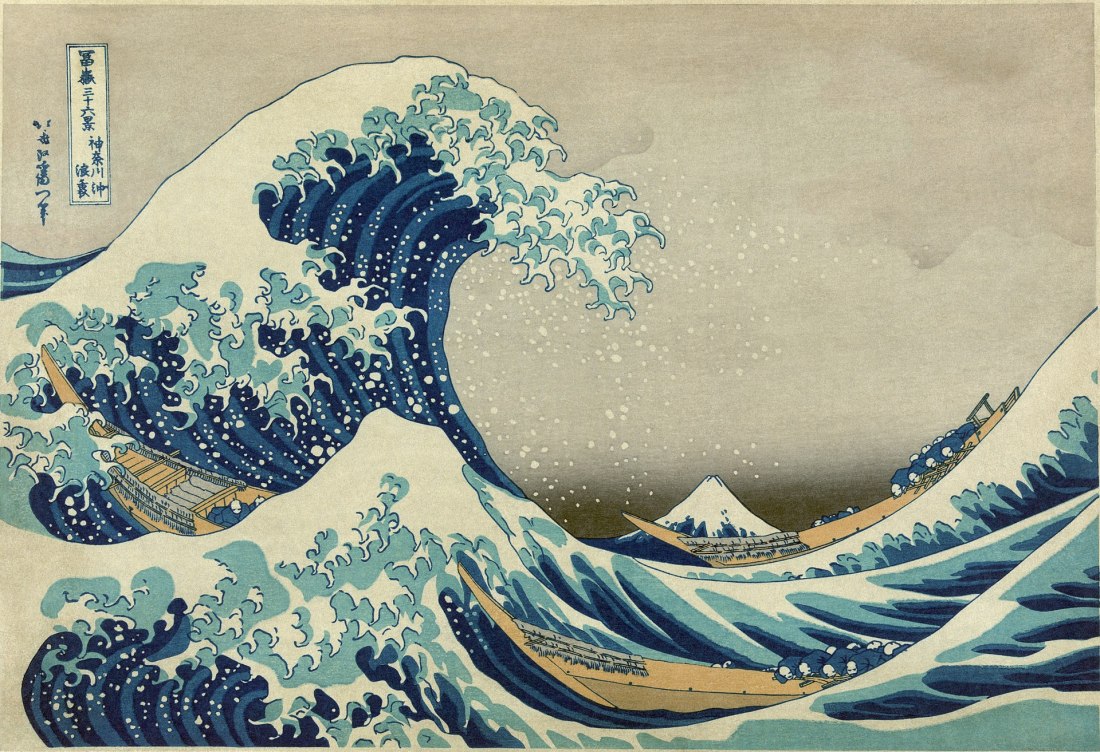
When I then investigated the portfolio of Hokusai, I came across the iconic image, The Great Wave off Kanagawa.

Great_Wave_off_Kanagawa Hokusai
Great Wave off Kanagawa. Katsushika Hokusai

While I have seen this image many times before, looking at it with fresh eyes, I noted that Hokasai has captured the frozen form of the wave – the tip of the wave shows fine detail, reminiscent of the images made by Rachael Talibard.

My thought on this is that while we began this exercise in photography to see how short shutter speeds can freeze a moment and show us what we cannot otherwise see, Hokusai has achieved an understanding and, therefore, depiction of the frozen structure of the wave without this technology.

Part Three/Project 1: The frozen moment


Project 1 The frozen moment

Exercise 3.1
Using fast shutter speeds, try to isolate a frozen moment of time in a moving subject. Try to find the beauty in a fragment of time that fascinated John Szarkowski. Add a selection of shots, together with relevant shooting data and a description of your process (how you captured the images), to your learning log.

I had previously experimented with trying to capture images of water dropping from my kitchen tap into a container in the sink, and lit this with flash. I attach the contacts from this exercise and one interesting image which begins to capture the shapes and forms of the splash caught in time.

Exercise 3.1 Contacts 2

2018-04-11 Test-158
Splash Test 158


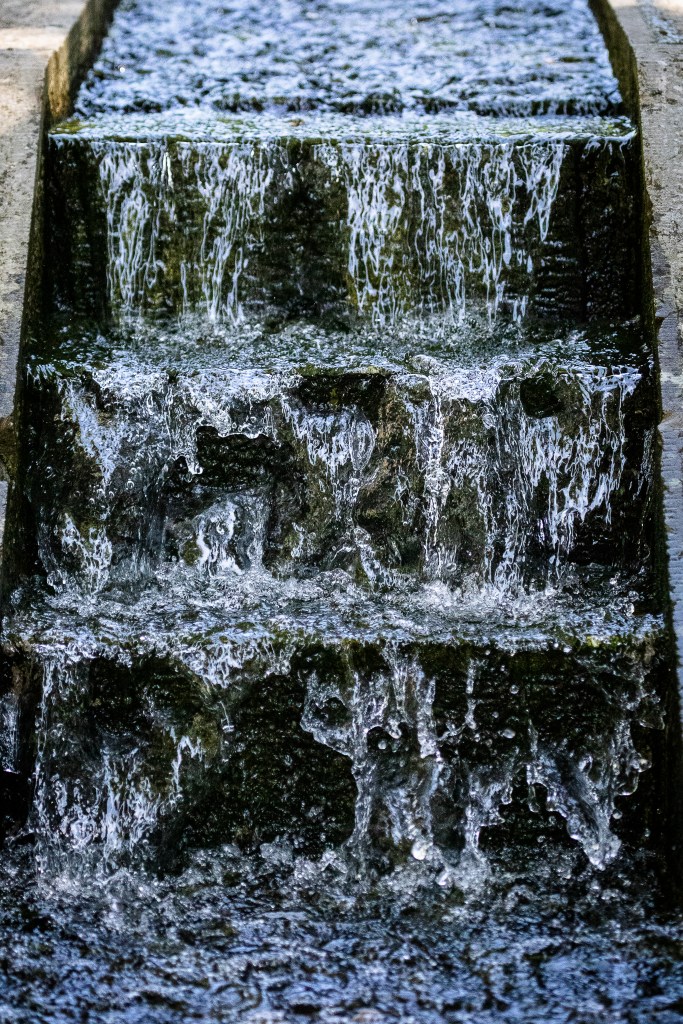
However before I did more work with this approach I visited the gardens of a country house in the Lake District (Holker Hall). It had not been my intention to complete the exercise while there, but in the grounds were a number of water features It was a bright sunny day which lit the drops of water from behind in a very interesting way. I had already researched some of the work and images of Muybridge, Worthington and Edgerton. With regard to this, I was therefore somewhat familiar with the appearance of splashes and drops of water recorded by Worthington with very short shutter speeds and the more stylised images by Edgerton. I wanted to try and capture the appearance of the water in these garden features in a manner more naturalistic than I had set up in my home. I therefore  made a number of images of the water as it flowed variously over the features or fell back into pools from fountains.

Methodology

I used a telephoto lens – (100-400mm focal length) to enable me to capture the splashes from some distance. I have used fast shutter speed of around 1/2500sec to freeze the movement of the water. It is my more usual practice to use a long shutter speed for images like this to show the movement of the water with blurring, so this was quite a novel approach for me. I also used high speed continuous shooting and took bursts of 3 or 4 images at a time in order to see how the splash and droplets developed and regressed. This process obvious in some of the images on the contact sheet.

I have included contact sheets of all the images I made of the water features and have labelled them with the exposure data, rather than filenames so as to better show how these were made.

Exercise 3.1 Contacts

I have further developed a number with cropping and local exposure adjustments and think these show the patterns in the water only revealed to us by the use of very short shutter speed freezing the water in a moment in time.