Final Review of my Objectives and My Progress Through This Course

Final Review of my Objectives and My Progress Through This Course: 17 September 2020

This post also forms the basis of my submission for assessment

“4. A reflective presentation or evaluation reflecting on your work and learning journey as a whole.”

Over the time I have been doing this course I have found I have become more structured in the setting of my personal objectives and my reflections on these. As a result I have found it helpful to incorporate into my learning log a section under “Research and Reflection” titled “My Objectives and Progress”.

In my first post in this section I identified my objectives as being the aims of the course. I also considered my own motivation for taking this course. This I summarised as being “to develop my understanding of contemporary and historical approaches to photography and thereby to produce practical work which uses this understanding” and a secondary aim was “to develop my critical analysis and self-appraisal of ideas, processes and outcomes particularly as related to my own technical and visual skills”.

In the posts of my regular reviews of my objectives I have broken these large scale aims and into more manageable and achievable parts, but will try and return to the larger objectives and review what I have achieved on these.

My Objectives

“to develop my understanding of contemporary and historical approaches to photography and thereby to produce practical work which uses this understanding”

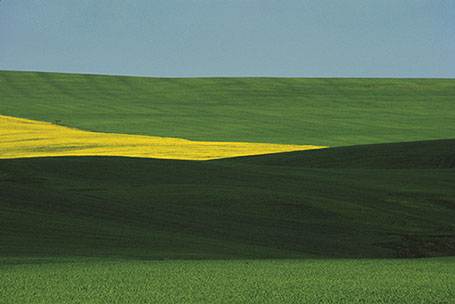
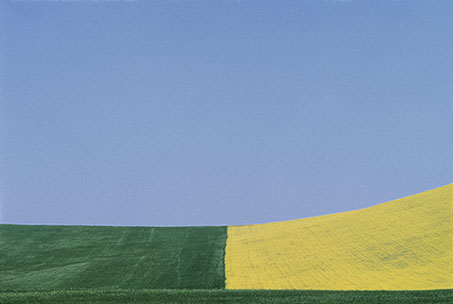
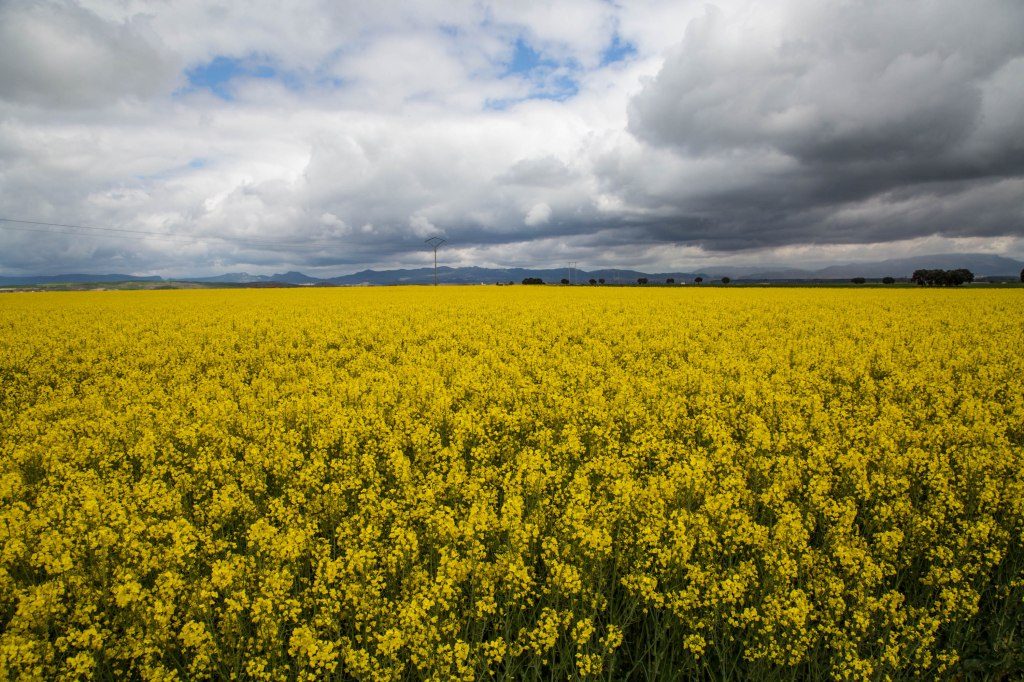
I think the most tangible example of how I have developed a better understanding of my photography comes from my reading about Colour Field artists. I have realised that this style of abstract painting was an influence on the landscape photographer, Franco Fontana. I had been consciously or unconsciously trying to emulate this in images I made before I started the course and show in my log. A more overt understanding of the influence of artists on my photography is illustrated by the comparison I have made between the monochrome landscapes of John Virtue and images I made in response to the landscapes of Don McCullin.

Overall I have found that visiting a gallery to see the work of photographers, tends to make me try to create images in response to those I see. There are many examples of this in my log, where I have shown a reaction to the work of photographers, including Edward Weston, Willy Ronis, Man Ray, Fay Godwin and Don McCullin. While on one level this may seem like merely copying the work of others, I find it has helped me to begin to understand how other photographers see their subject and portray it. My next step is to combine elements of the work of these into my images so as to better express what I want to convey.

“To develop my critical analysis and self-appraisal of ideas, processes and outcomes particularly as related to my own technical and visual skills”

This is an area where I think I still have a lot of work to do. Developing my skills of critical analysis of visual work and subjecting my own work to that critique has been an objective running through all the time I have been doing the course.

I realise that I started out appreciating only a limited range of types of visual art. Gallery visits, particularly to the Peggy Guggenheim collection in Venice, exposed me to a much wider range. While I might have a better understanding of what the artist was trying to achieve (or at least what commentators and curators think the artist was trying to achieve), I still have difficulty appreciating the work otherwise.

A major step towards this however has been a recognition that there can be considered to be different aesthetic codes. In an on-line tutorial with Robert Bloomfield on the subject of Wabi Sabi, I realised that there are many different frameworks against which a visual art work can be appreciated – this was something I had not really considered before. It remains something I need to study more.

My other original objectives were the remaining objectives of the course:

“to use technical and visual skills appropriately”

I believe I have used a range of technical skills to create my work. Initially this was confined to digital images, but I have extended my skills there to do more studio work for still life in my “Collections” assignment and “Homage” exercise.

Skills that I have not practiced in this course and I think I need more work on include formal portraiture and the skills of working with models and other subjects.

I have also done some work on the use of film and processing and printing this. It is much more time consuming and the constraints of time for the course have prevented me from doing more. However I did find this a major learning experience to go back to film and chose to do this assignment with film “as a learning exercise to better understand how Cartier-Bresson and contemporaries worked and to improve my skills of observation and timing”. I have come across the work of contemporary photographers who use film, but I still need to try and understand what their reason is for this.

Overall the quality of some of the final prints is acceptable to me, but there is still a long way to go to improve these.

To produce practical work which uses the above understanding and demonstrates skills of personal engagement, enquiry, imagination and experimentation”

I do feel engaged in this course of study and have particularly enjoyed interaction with other students and staff at on-line and in person meetings. These have given me better insight into important concepts in visual art and also the work of students from disciplines other than photography.

I think overall that the skills of imagination and experimentation are probably the weakest part of my progress through the course so far. In part this may be because I tend to ask “Why” do something, rather than do it and see what the outcome is. My tendency is to perhaps take an intellectual approach, and plan the images rather than have any scope for the unexpected.

I became aware of this in an on-line tutorial with Robert Bloomfield. He asked “How do you notice that thing you have never seen before?” This captures that issue: I think I tend to over plan the image I am hoping to create, and if I can adopt a more spontaneous style it may lead to more unexpected results.

Zoom Meeting 25 August 2020 – Assessment

Zoom Meeting 25 August 2020 – “Assessment”

Led by Robert Bloomfield

This was the first meeting with Robert since a break over the summer period. As the deadline for the November assessment event is approaching, the topic was “Assessment”.

Only two of us were planning to enter for assessment, although following discussion a number of others were encouraged to do so, rather than leave it to the next event.

Robert went through the assessment criteria and described the process for digital assessment as it was used in the last event, and will be done in November.

He listed the material which we are required to submit. The main learning point and his very strong message was that for this course the key work to concentrate on is the images which are to be submitted.

He re-iterated what I had gathered from the discussion with my tutor, that a selection of images is needed, and these can be from assignments or exercises.

I asked a question about the linking of images. For the exercises and particularly the assignments, there is a theme linking the images making them a series. While we have had discussions in the past about what constitutes a series, I remain somewhat unclear about this. However he suggested that images could be combined into composites images, in a similar way which my tutor had suggested pairing them.

We had a more general discussion about Exercise 1.4, which was very helpful. In particular a question Robert asked about images in general..

“How do you notice that thing you have never seen before?”

To me this seems to capture an issue I am having generally about the work and creation of images. I think I tend to over plan the image I am hoping to create, and a more spontaneous style will lead to more unexpected results.
14 August 2020: Video meeting with Andy Hughes Assignment 5

Video meeting with Andy Hughes: 14 August 2020

Feedback on Assignment 5 – Photography is Simple

I had submitted Assignment 5: Photography is Simple to my tutor and this meeting was to provide feedback on that work. In addition Andy offered advice about preparing my submission for assessment, and about my next and future modules.

Feedback on Assignment 5 and Course work for Part 5

Andy commented on some of the images I had included in Exercise 5.1 Viewpoint, in particular Image Woodhead 18 (reworked),which I had included after thinking more about it. He agreed with my final conclusions about this image and drew my attention to the content of the image which he thought was one of its strengths (i.e. the grave stones/ field and wall, and then in the distance the line of trucks and the electricity cables). He also thought the positioning of the bush in the middle of the image was a strength – rather than it being to one side as more conventional composition might suggest. I think it was this aspect of the image which initially led me to reject it.

In terms of my images chosen for Assignment 5, Andy suggested that a mixture of images in portrait and landscape formats was not so effective. He also thought that the portrait orientated images were less effective in depicting the landscape I was trying to show.

He made some suggestions about re-working this Assignment in terms of selecting landscape orientated images, and I will rework this in the light of these comments.

He also made a general comment about the way images are displayed on the website, arranged vertically. As we tend to read horizontally, he suggested ways in which the images could be shown side by side, as they would be in a gallery. He suggested this should be a consideration for my submissions for assessment.

More General Developmental Suggestions

Andy made some suggestions about other artists whose work I should study.

These included David Hockney’s video work, The four seasons (NGV Melbourne, 2017).

He also referred me to events organised by CAST, the Cornubian Arts & Science Trust; with particular reference to the presence of mining in the landscape.

In addition the work of artists during the period 1910 – 1940 such as Graham Sutherland, Paul Nash, Barbara Hepworth and Henry Moore, exemplify some non-photographers use photography in their work and the scarring of the landscape from mining and other uses.

He suggested that my sense of advocacy for the landscape is an aspect which could be further developed in future work, and considered other ways I could use other techniques to explore the landscape.

One suggestion was to look at juxtaposing map extracts with my images to explore the form of the image.

Preparing for Assessment

Andy summarised the submissions I will need to make, and made suggestions about my selection of creative work to submit.

He suggested that the 10-20 items of work would be best selected from Assignments 1 and 5, and made suggestions about selection of these.

To Do

Following this meeting there are a number of tasks I have to do, including preparation for assessment. These include.

Revise final images for Assignment 5

Research other artists

  • David Hockney’s video work, The four seasons (NGV Melbourne 2017).
  • The work of CAST, the Cornubian Arts & Science Trust
  • Graham Sutherland
  • Paul Nash
  • Barbara Hepworth
  • Henry Moore

Use of other techniques to explore the landscape/ juxtaposing map extracts with my images

References

References to the works cited in this post are found in my separate post “References”

Further thoughts on Colour Field Painters: Franco Fontana

Further thoughts on Colour Field Painters: Franco Fontana

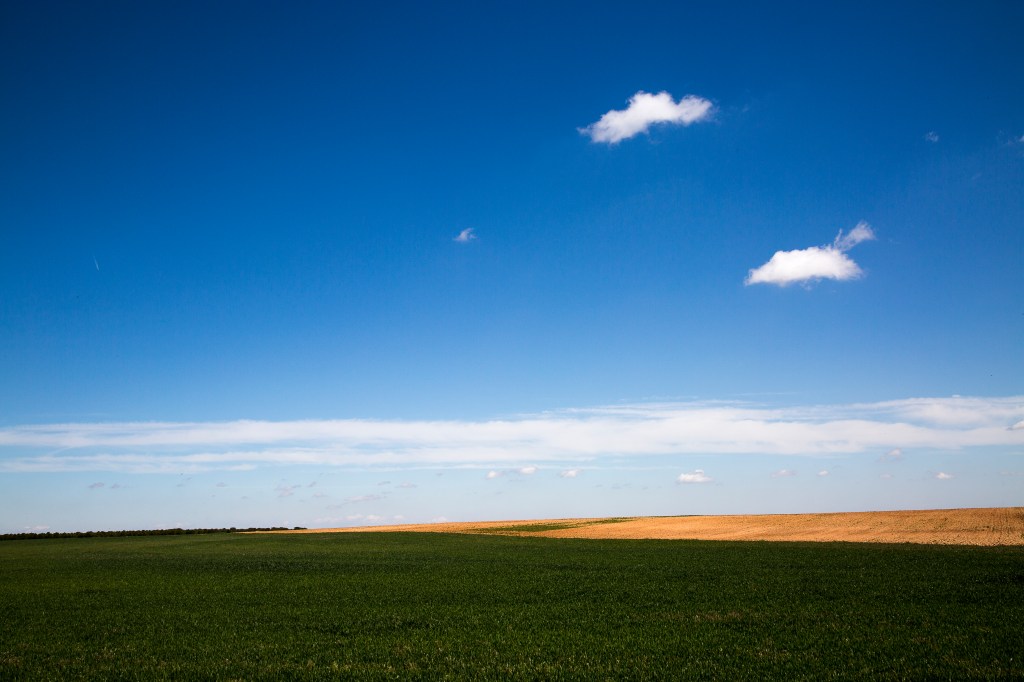
In my post regarding the work of Frank Bowling and colour field painters, I referred to this image which I had made in Spain before starting this course.

2014-04-26 -27
Spain 27

At the time I made that image I had seen the work of a landscape photographer whose name I have been unable to remember and whose work I have unsuccessfully tried to research. However having recently looked at the learning log of another student, I found reference to the photographer, Franco Fontana, and have realised this is the photographer whose work I had seen and which influenced this image.

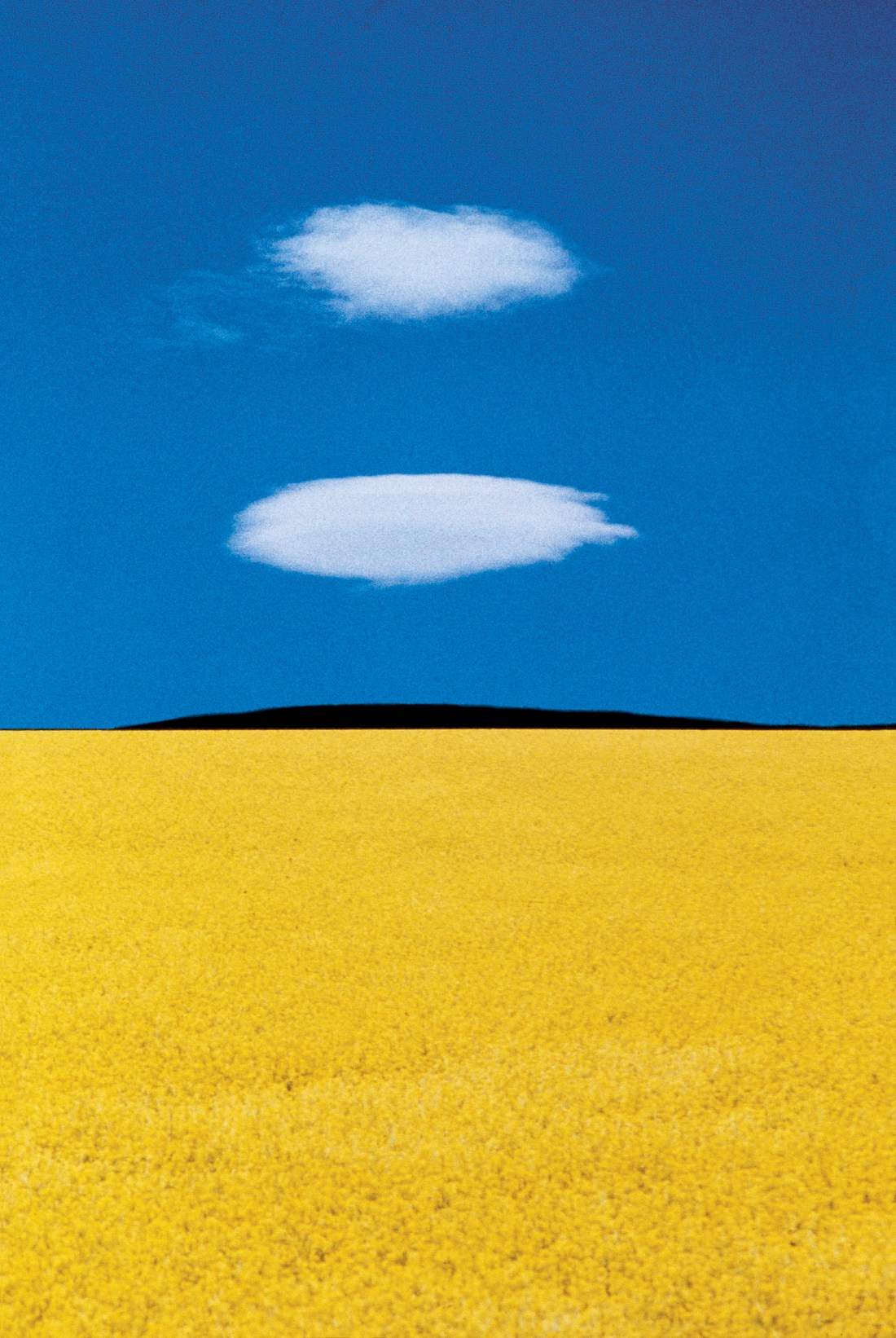
Images such as these he made in Italy show strong abstract-like landscapes with large blocks of vivid colour. The result is very similar to the images made by the colour field painters I have referred to previously.

Landscape Puglia, 1978
Landscape Puglia, 1978: Franco Fontana

During my trip to Spain I made a number of images in response to this idea.

Interim Review of My Objectives: 5 August 2020

Interim Review of My Objectives: 5 August 2020


My over-arching objective now is to re-establish an effective, regular pattern of working in order to be able to complete the course with a view to submission for assessment in November 2020.

For the last few months I have scheduled to post a review of my objectives every two weeks to ensure I was progressing towards my deadline. On that basis I am due to post a review today, however will make this brief as I am awaiting feedback from my tutor for Assignment 5 and will update my objectives in line with that in due course.

I have completed the exercises from Part 5 and Assignment 5 now.

I have also submitted an application for the assessment event in November.

My next objectives are more like tasks in preparation for that assessment, rather than new learning. When I get the feedback from my tutor I will review my overall learning objectives and make a post about my learning from this course and my objectives as I go forward to the next course.

Review of My Objectives: 23 July 2020

Review of My Objectives: 23 July 2020


My over-arching objective now is to re-establish an effective, regular pattern of working in order to be able to complete the course with a view to submission for assessment in November 2020.

I had a video meeting with my tutor today and have documented this. I will add the new objectives arising from this below.

In preparation for this I had some specific queries listed in that post. Of these the major point was that I believe that in general my work is not so visually strong and does not always fully express what I intend as well as I can express it in words. I am unclear as to how to develop that better

Objectives Identified Previously

OCA course Admin and medium and longer term plans:

The major issue here is to ensure I know how to submit my work for assessment and by  when. I also have started looking at the next courses available to me and becoming familiar with their content so as to be able to make an informed choice.

Skills:

Film Photography

I have not taken this forward since my last review but my major learning point remains to establish for myself what the reason is for using film over digital. This is something I plan to do going forward to the next and future modules.

Better documentation of the technical elements.

The feedback from my tutor was that my documentation of my exercises is “thorough”. However it remains the case that I am making a conscious effort to take detailed records of technical parameters of my film work and other settings where these are not recorded in the metadata of the digital images. My aspiration for my standard of documentation of methods, is the principle with which I am familiar from my previous bio-medical research that experimental details need to be given to allow other investigators to repeat the experiment with exactly the same conditions.

Find ways of sharing my work for comment and criticism

I have not actively done anything more about this new objective since my last review of these. However as I had discussed my plan for Ex 5.2 with colleagues from OCA North, I plan to add the final selected images to the padlet for comment.

Assessment and appraisal skills

This remains an ongoing task and my objective above (“to find ways of sharing my work for comment and criticism”) reflects this.

New Skills needed:

I have described this above and it is to find ways to better visually express my aims and intentions.


Knowledge:

My objective was to gain a better understanding of other art disciplines and influence on photographic work. While this remains an ongoing learning objective, my tutor has suggested artists at whose work I should look.

To gain an insight into more contemporary and historical approaches to photography

I have looked at the work of photographers to whose work I have been directed to by my tutor. I am conscious that I have not looked at much work other than that referred to in the course notes in the last few weeks. This is of some regret as I was more wide ranging in my reading and study in the earlier part of my course. The deadline to which I am working has made me more focussed, and has emphasised the discipline of study. However I will continue with this, and more general reading and study.


Attitudes:

My objective was the “Demonstration of creativity – Imagination, experimentation, invention”

This remains an objective and I hope with better understanding of the creative process used by other artists I will develop this more.

23 July 2020: Video meeting with Andy Hughes Assignment 4

Video meeting with Andy Hughes: 23 July 2020

Feedback on Assignment 4 – Languages of Light

As I have indicated in my posts reviewing my learning objectives, I had asked for a video feedback for Assignment 4.

In addition to getting feedback on that assignment I had a few points I wanted to discuss with my tutor.

These were:

  1. I will be submitting my assignments for assessment in the next weeks and I wanted to check whether any further re-working of these is needed.
  2. While I have used the OCA format for my learning log, I have modified it a little and want to check if this is the correct format. I am also aware that some of the posts are quite long, and wondered if some of these are going off the point of the course
  3. The last point is something I have been aware of, particularly since Assignment 3. I think I can express my intentions and the aims of my work verbally, but this is not expressed as effectively visually. I believe that in general my work is not so visually strong and does not always fully express what I intend as well as I can express it in words.

We had a lengthy video call which was very helpful. Andy made a number of points.

Andy was complimentary about my learning log and documentation of the work. He said he thought I had completed the coursework thoroughly. He gave as an example the account I gave of the technical aspects of light in my write up of the assignment, and the photographs of the set up for my studio work.

We had a general discussion about “quality of light” and he referred me to a Radio 4 programme with Oliver Stone in which he described using the “golden hour” for filming. He also referred to the cultural references to light, and humans’ innate fear of shadows and darkness. As an example he referred me to look at a painting Hunt in the forest by Paolo Uccello.

One of the points Andy made in our discussions which I found very interesting was his concept that photography is “subtractive” whereas other visual arts media are “additive”; ie a painter starts with an empty canvas and adds to it to create the image, whereas a photograph shows everything in a scene, and photographers often remove elements from that in order to emphasise others aspects.

Andy referred me to the work of a number of painters with particular reference to their use of colour. These were Paul Nash, Eric Ravillious and John Piper.

With regard to the exercise, Egg or Stone, Andy referred to the concept of object orientated ontology and the writing of Timothy Moreton , and which if I understood correctly, suggests that inanimate objects exert an influence on us. Thus my choice and selection of that particular stone was influenced by the stone. I am sympathetic to this view, as I did indeed choose the stone while out walking, and chose it as a piece of gritstone. I have referred to this in my write up of the exercise, and would suggest that the course notes which say “we recommend that you choose a natural or organic object such as an egg or stone rather than a man-made object. Man-made or cultural artefacts can be fascinating to light but they’re already authored to some degree” do not address that element of choice we have in choosing even a natural object.

With regard to my next assignment Andy gave me suggestions as to sources to examine for influence. These included, Allan Sekulla, Fish Story and Between the Net and the Deep Blue Sea (Rethinking the Traffic in Photographs)

Our discussions had addressed the first two points I needed to ask about. I raised my concern that my work is not so visually strong and does not always fully express what I intend as well as I can express it in words. Andy agreed with this, but appeared to regard my recognition of this as a positive point. He said it is very common for visual artists to have this concern and my recognition of it is a good starting point for further development.

Suggested sources to research

Oliver Stone, Radio 4 Documentary

Hunt in the forest by Paolo Uccello.

Paul Nash, Eric Ravillious and John Piper

object orientated ontology and the writing of Timothy Moreton

Foam and Self Publish Be Happy

Allan Sekulla, Fish Story and Between the Net and the Deep Blue Sea (Rethinking the Traffic in Photographs)

Click to access Sekula_Allan_2002_Between_the_Net_and_the_Deep_Blue_Sea.pdf

OCA North Zoom Meeting: 5 July 2020

OCA North Zoom Meeting: 5 July 2020

This meeting was the first of a regular monthly zoom meeting to replace our previous meetings in person in Halifax.

There were only 4 of us able to be there, and we each gave a presentation of our work at the moment.

I was able to discuss my plan for Exercise 5.1, and had encouragement with that from the others who thought the area I was trying to depict sounded interesting.

The biggest learning point for me, was the presentation of his work by Michael Millmore who discussed the work he has been doing and posting on Instagram. He is writing an essay at the moment and exploring the use of social media sites and how these affect the presentation of visual images.

These ideas resonate with thoughts I have been having and I have incorporated into my objectives for the medium and longer term of my studies.

Review of My Objectives: 8 July 2020

Review of My Objectives: 8 July 2020


My over-arching objective now is to re-establish an effective, regular pattern of working in order to be able to complete the course with a view to submission for assessment in November 2020.

I have submitted Assignment 4 to my tutor as planned and continue to work to my timetable to complete the final assignment by the end of July. I have been looking at other aspects of administration for the OCA and have identified new objectives specifically around the process of submission for assessment and also about the choices of the next course.

I hope that my next tutor feedback will be a meeting rather than written so that I might have a chance to clarify and get advice about this, however I have not had a response to my request for a Zoom/Hangout type meeting yet. I will be adding a new class of objectives around this for future reviews. (“OCA course Admin and medium and longer term plans”)

Objectives Identified Previously

Skills:

Film Photography

I have developed the film I shot for Exercise 4.4, but not yet printed it. I plan to but the pressure of the deadline for completion means I am tending to do exercises in digital as it is quicker.

My major learning point about this is to establish for myself what the reason is for using film over digital. This is something I plan to do going forward to the next and future modules.

Better documentation of the technical elements.

I am making a conscious effort to take detailed records of technical parameters of my film work and other settings where these are not recorded in the metadata of the digital images..

Use of Web-based and other Electronic Learning Tools

Use of other Work Sharing Websites (eg Padlet)

We have had OCA North meetings to discuss this. I can see that Padlet is only a sharing tool, and am now confident with using it – but need to work out what I need to use it for! I do not think that learning about the procedures for using this needs to be an objective going forward.

Engagement with Electronic Web-based learning events

In the last two weeks I have not joined any new events as I have been working on my practical exercises. In other contexts I have become aware that such remotely accessed events are effectively like any other learning or social experience and like the previous objective, I do not think the “use” of these over any other experience is an ongoing objective for me.

However I am conscious that there are many ways of sharing work available. I use social media very little, but have seen from studying some photographers’ work that these are important ways for them to share their work.

My new objective to replace “Use of Web-based and other Electronic Learning Tools” will be “to find ways of sharing my work for comment and criticism”. In addition I am seeing that social media provide a forum for expression of personal views on areas hitherto restricted to “experts” (such as bio-medical research, an area of which I have personal experience). In the same way, images are more easily shared and there is a blurring of the boundary between expert (artists) and non-expert. This is a theme I would like to look at more over the coming months.

Assessment and appraisal skills

This remains an ongoing task and my objective above (“to find ways of sharing my work for comment and criticism”) reflects this.

New Skills needed:

Studio Lighting

I have no immediate plan to incorporate this into any work. While I recognise it is an area I can do more about, I do not intend to retain this as an objective in this list for now.


Knowledge:

My objective was to gain a better understanding of other art disciplines and influence on photographic work. The feedback I have from my tutor is that I am “starting to connect other art forms to your method and approach to research”. However, this remains an ongoing learning objective.

To gain an insight into more contemporary and historical approaches to photography

I have looked at the work of photographers to whose work I have been directed to by my tutor. I am conscious that I have not looked at much work other than that referred to in the course notes in the last few weeks. This is of some regret as I was more wide ranging in my reading and study in the earlier part of my course. The deadline to which I am working has made me more focussed, and has emphasised the discipline of study. However I will continue with this, and more general reading and study.

Studio Lighting

Better theoretical knowledge was a goal, however as discussed above, while it is an area I can do more about, I do not intend to retain this as an objective in this list for now.


Attitudes:

My objective was the “Demonstration of creativity – Imagination, experimentation, invention”

This remains an objective and I hope with better understanding of the creative process used by other artists I will develop this more.

Review of My Objectives: 24 June 2020

Review of My Objectives: 24 June 2020


My over-arching objective now is to re-establish an effective, regular pattern of working in order to be able to complete the course with a view to submission for assessment in November 2020.

I have been able to work steadily to the timetable and interim deadlines which I drew up. To date I am on track for submitting my next assignment to my tutor the coming weekend, having completed my images. I am therefore on track to complete the course within the framework I have set.

I have not identified any new objectives in the last two weeks other than the work arising from completing the exercises and assignments.

Objectives Identified Previously

Skills:

Film Photography

I have posted digital images for Exercise 4.4, but at the same time I shot film which I plan to develop and print. However I have not had the time to do this in order to keep to the deadlines I have set. However I have been working on some of the exercises from Part 5 (in advance of my timetable), so anticipate having time in the next short while to do this film work as I intended.

Better documentation of the technical elements.

I am making a conscious effort to take detailed records of technical parameters of my film work and other settings where these are not recorded in the metadata of the digital images..

Use of Web-based and other Electronic Learning Tools

Use of other Work Sharing Websites (eg Padlet)

I have not used the EYV padlet but we have a discussion planned soon about the use of the OCA North Group Padlet. We had a hangout meeting last night about it.

Engagement with Electronic Web-based learning events

In the last two weeks I have not joined any new events as I have been working on my practical exercises. This continues.

Assessment and appraisal skills

This remains ongoing task and other than my research and assessing my own work; one aim of the OCA North Padlet is to help with this.

New Skills needed:

Studio Lighting

I have used this in my exercise and also completed some images for Ex 5.2 Homage using studio lighting (in response to the lighting in Weston’s “Pepper No. 30”). I am more confident with this, but it remains an ongoing aim.


Knowledge:

My objective was to gain a better understanding of other art disciplines and influence on photographic work. The feedback I have from my tutor is that I am “starting to connect other art forms to your method and approach to research”. However, this remains an ongoing learning objective.

To gain an insight into more contemporary and historical approaches to photography

I have not looked at any other artists than those referred to in the notes in the last two weeks, but have the plan to research photographers I have been directed to by my tutor, for the next assignment.

Studio Lighting

Better theoretical knowledge remains a goal.


Attitudes:

My objective was the “Demonstration of creativity – Imagination, experimentation, invention”

This remains an objective and I hope with better understanding of the creative process used by other artists I will develop this more.