Review of My Objectives: 26 July 2019

I set out my objectives in my last post in this section. I will review my progress on these.

Skills:
Film Photography
My objective was to start developing and printing my own work. I have achieved this by recommissioning my darkroom and obtaining a medium format enlarger. I have successfully developed 35mm and 120mm film and printed these up to 10x8in sizes.
This is an ongoing project. I intend to submit my next assignment as silver prints and have started making images for this. However I believe I need to gain more experience with the behaviour of different film and papers stock, and ensure the standard of my final prints is as high as possible.

Videography
I had been using the Adobe publication Premiere Pro CC: Classroom in a Book to develop my editing skills. However the importance of his area is less at the moment and I have concentrated on my film still photography. As a result improving my videography remains ongoing.

Use of WordPress
I have been able to alter the headings and menus appropriate to my needs. I do not see this now as an important area to develop and concentrate on. Related to this I have also started using “Rocketbook” notebooks and phone app. This enables me to quickly and easily convert my handwritten notes in to pdf files and file them in a way that they can be accessed from my learning log or by my tutor with the appropriate link.

Assessment and appraisal skills
This is an ongoing task and I think will continue throughout and beyond the course. I feel I have more confidence in this area, and have included in my log my reflections on images. I now need to seek the views of my tutor and/or others as to whether my assessment is reasonable and accurate.

Knowledge:
My objective was to gain a better understanding of other art disciplines and influence on photographic work. While like the previous objective I think this will continue throughout and beyond the course, I do think I have achieved some steps forward in this.
I have referenced other art disciplines in my learning log and by attending the last OCA study day gained insight into the work of students, other than those studying photography.
I still have a long way to go…

To gain an insight into more contemporary and historical approaches to photography
This is another ongoing objective, but I have been reading more widely and think that my approach to research of this topic is more systematic and better informed. It has been greatly helped by discovering the course reading list which is at the end of the paper notes and not referenced earlier in the notes or included in the pdf file. It has taken me a year to find this.

Attitudes:
The main objective here I think relates to the Assessment area of
Demonstration of creativity – Imagination, experimentation, invention
I have concerns that this is an area in which I am weak, and this remains so. I plan to seek more feedback from my tutor about this and advice as to how to improve

I hope that a better understanding of the creative process used by other artists will help me develop this more.


These are the main objectives I have. I think I have approached the coursework more systematically lately and begun to address some of these as a result.
05/07/2019 Peter Aitchison – Travel and Street Photography

RPS Meeting 05/07/2019

Peter Aitchison – Travel and Street Photography

The information about this meeting described Peter Aitchison’s career:

Peter began his photographic career some 30 years ago, training as a studio assistant and having decided that studio work was not for him, his career progressed into PR and national press photography, including time spent as a Royal Rota photographer.

Travel, which Peter enjoyed enormously, was a fundamental part of his newspaper work and it was a natural progression for him to subsequently follow his passion to work on his collection of travel images. He currently hosts international photo tours, together with photo walks in Manchester.

His talk started with an introduction to his career and then he presented some of his images of India, and Cuba, reflecting their culture and people. In the afternoon session gave a presentation on Manchester street photography.

His travel images appear to me to form three broad types: showing scenery and architecture, groups of people and more formal portraits of a person in their normal setting. I have tried to describe important aspects of the presentation which I learned.

The first of these is to do with the style of his images. He said in his presentation that the incorporation of colour and texture was important, and it is clear from the images on his website that the colours in his foreign images are particularly vibrant. He did not describe how he achieves this, but did imply that he uses post-processing techniques to emphasise this aspect.

Many of his portraits are in black and white and he said he chooses to show an image in monochrome when there are particularly strong textures, particularly in a face.

One aspect of his slide show which was quite striking was his choice of framing of the image. All the images he showed had a black border with a white surround. He explained that this was a customised format he used in Lightroom, but he did not elaborate on his choice of this style. However to me it made the images have a style reminiscent of those of Cartier-Bresson, all edged with a black border.

A second aspect to his work was his description of his technique when taking portraits in the street. He emphasised the importance of engaging with his subjects by involving them in conversation and showing them the image on his camera. This seems very similar to the approach also described by Don McCullin which I described in my account of a television programme about this.

Another interesting theme from his presentation was that of the ethics of taking images in the street in candid and informal setting. He stressed his practice of being very open and obvious as to what he was doing and considered using telephoto lenses from a distance to take images of people “stealing the picture”.

A further ethical issue he considered was the approach to taking images in situations like the slums of Mumbai. He supports an educational charity for the children of the slums for his trips. He said he takes images of “happy” people, and avoids images of rough sleeping which he considers “poverty porn”. There seems to me to be a major ethical debate here about ethical tourism, rather than documentary photography. This is a subject I will consider in future posts (maybe in future modules…).


EYV Zoom Meeting – 28 June 2019


EYV Online Meetup 28 June 2019: The Decisive Moment
Led by Robert Bloomfield

The topic for this meeting was “The Decisive Moment”, the title of the third assignment on EYV, and my next assignment.

In a previous post I have described my initial thoughts about this topic. For the meeting we were encouraged to bring images to discuss in terms of the “Decisive Moment”. I described my thoughts about compositional decisiveness and narrative decisiveness. Robert suggested that the latter is an extension of Cartier-Bresson’s original concept, but one that has been considered by others. He referred me to the writings of David Bates on this.

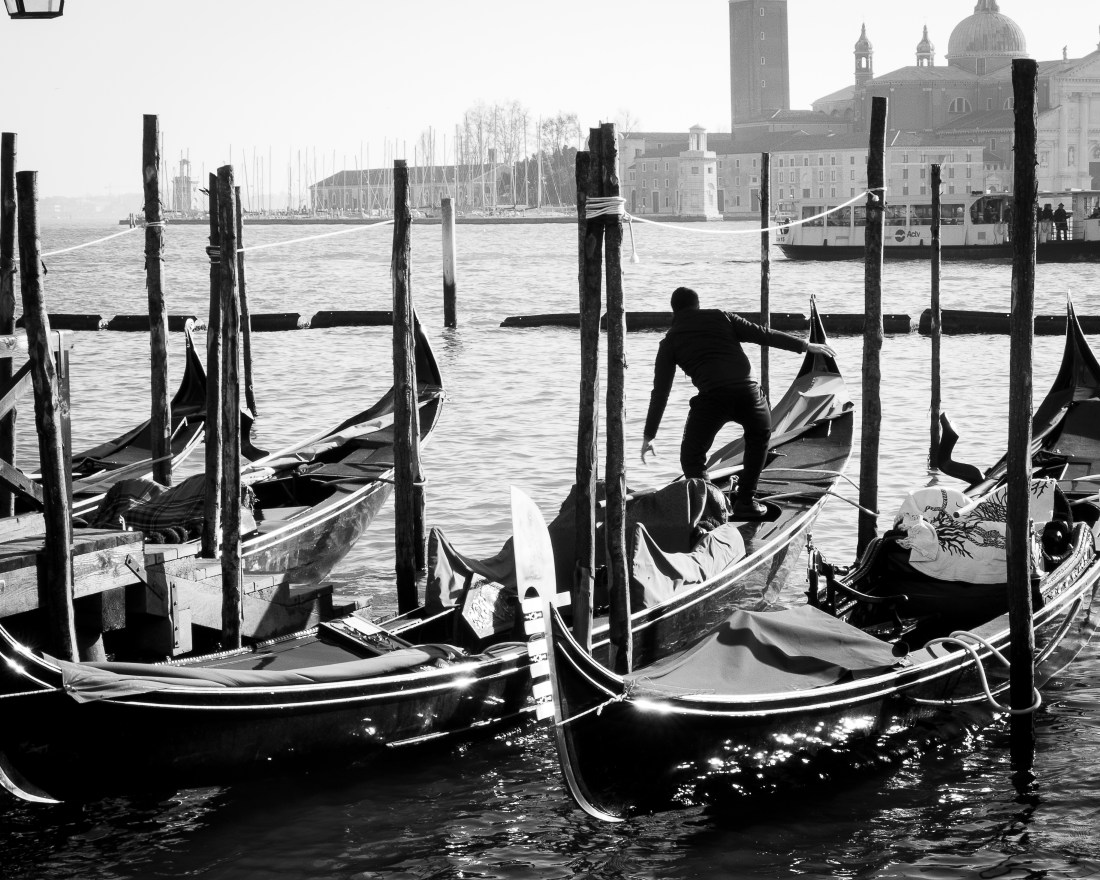
I showed this image which I have previously suggested in this blog as a “decisive moment”.

2018-12-04 Venice-103
Gondolas and gondolier near San Marco

Robert discussed and introduced the concepts of “architectural framing” and “gesture” as characterising the Cartier-Bresson “classical” (my quotes) decisiveness. He pointed out the framing of the figure by the posts and suggested this is a type of architectural framing. He also commented on the posture of the figure, as representing “gesture”. This was a helpful discussion and helped me to understand the way forward with the assignment.

We discussed the use of film for the assignment. I am considering using this medium in order to avoid the temptation to use high speed continuous shooting to obtain the precise moment of decisiveness!

The other learning points I took away are suggestions for further reading including “Camera Lucida” by Roland Barthes.

EYV Zoom Meeting: 21 May 2019

EYV Zoom Meeting 21 May 2019: Photography is Simple

Led by Robert Bloomfield

This was the second of these meetings I have been able to attend and found the previous one very helpful but omitted to keep notes and record it here on my learning log!!

The meetings are described as:

“This is a new, supportive space for students to meet and share course experiences with each other and the Unit Leader, and to ask any burning questions.”

The topic for this meeting was “Photography is Simple”, the title of the fifth and last assignment on EYV.

I had not had the opportunity to give much thought to this as it is some time in the future and in recent months I have had an enforced gap in my studies for the course. My preliminary thoughts and approach on the subject was to look at the dictionary definition of “simple”. This definition includes two uses of the word “simple” which encompass

  • easily understood or done and presenting no difficulty and
  • plain, basic or uncomplicated in form nature or design

So, for example, the work of and artist like Rachael Talibard is not easily created – she goes to great lengths to make her images of storms, both in the planning and her positioning to make the image. However the images appear easy to understand – they are just what they appear, photographs of waves making patterns. On the other hand, the work of someone like Guy Bourdin may be easier to create but with its basis in surrealism is more difficult to understand.

In the meeting I presented this idea, and appeared to have some support for that view.
Other concepts were introduced by Robert Bloomfield with which I was not familiar and fnding out more about these are my objectives to do more work on.

The most significant of these ideas for me was the concept of photography as a mirror or window. In the former the photographer projects himself to the world (Robert associated the work of Francesca Woodman with this approach) and in the latter the world is “explored in all its presence and reality” – a concept attributed to Paul Graham.

The other major learning experience for me was the discovery of the course reading list! As it was at the end of the notes and not referred to earlier, I had not seen it up to now. My next work is to look at some of the suggested works from this.

OCA North Meeting, Manchester 15/06/19

OCA North Meeting, Manchester 15 June 2019

Venue: Whitworth Art Gallery, Manchester

This was the second of these meetings I have been able to attend.

The plan for the day was:

  • a presentation on her work by tutor, Dr Rachel Forster (drawing and creative arts tutor)
  • general discussion
  • presentation by participants of their OCA work– three students (myself and two others presented their work). I presented the images I had put on my website for the “Frozen Moment” exercise, as the latest work I have done for my course. There was a presentation of an exercise in progress by a textile student and another of images depicting “forgetting” by a level 3 photography student.

I had several aims from attending.

These included general aims similar to those I had for the last one I attended in Leeds, which was to gain a greater understanding of studying with the OCA. In addition I had aims based on my objectives I have described in my plan

Assessment and appraisal skills – how to critically assess a piece of work, including that of others as well as my own.
There were opportunities to see photographs of the work Rachael and the prisoners had produced. I found that as these were mural paintings and so it was interesting to evaluate these. One point I was interested by was the incorporation of emotionally loaded words in wall coverings for spaces for psychological therapy/work. I have seen this in many other settings and I am unclear why it seems to be considered important in a primarily visual medium. When I asked about the rationale Rachael said it was the one element specified by the group commissioning the work (the psychology department!).
Similarly the presentation by the other students enabled me to see and discuss other styles and media of work.

Gain a better understanding of other art disciplines and influence on photographic work
I think the day has helped me primarily in this objective. In particular, the presentation and discussion led by Rachael Forster was around the development of murals and other artworks by groups of prisoners. The discussion was around the effects of art on both the observer and artists and the effect of art work on spaces.

The presentation of work by a textile student was of a medium very different from photography. However there are elements of shared understanding around colour and texture particularly, and the differences seem to be mainly in technique rather than purpose and output.

My personal development in the Assessment area of “Demonstration of creativity – Imagination, experimentation, invention”
I do think that my own development of imagination has extended by looking at examples of what can be achieved and also the use of techniques other than photography.

Another aim of the day for me was to present my own work. I wanted to be able to explain what I was trying to achieve and then get feedback on this. Up to now I have made images and while they are on my website, I have rarely actively sought reactions from others about them. There is an element of desensitisation involved in this for me. I think I do make the images to share; if I believe in them then I need to share them!!

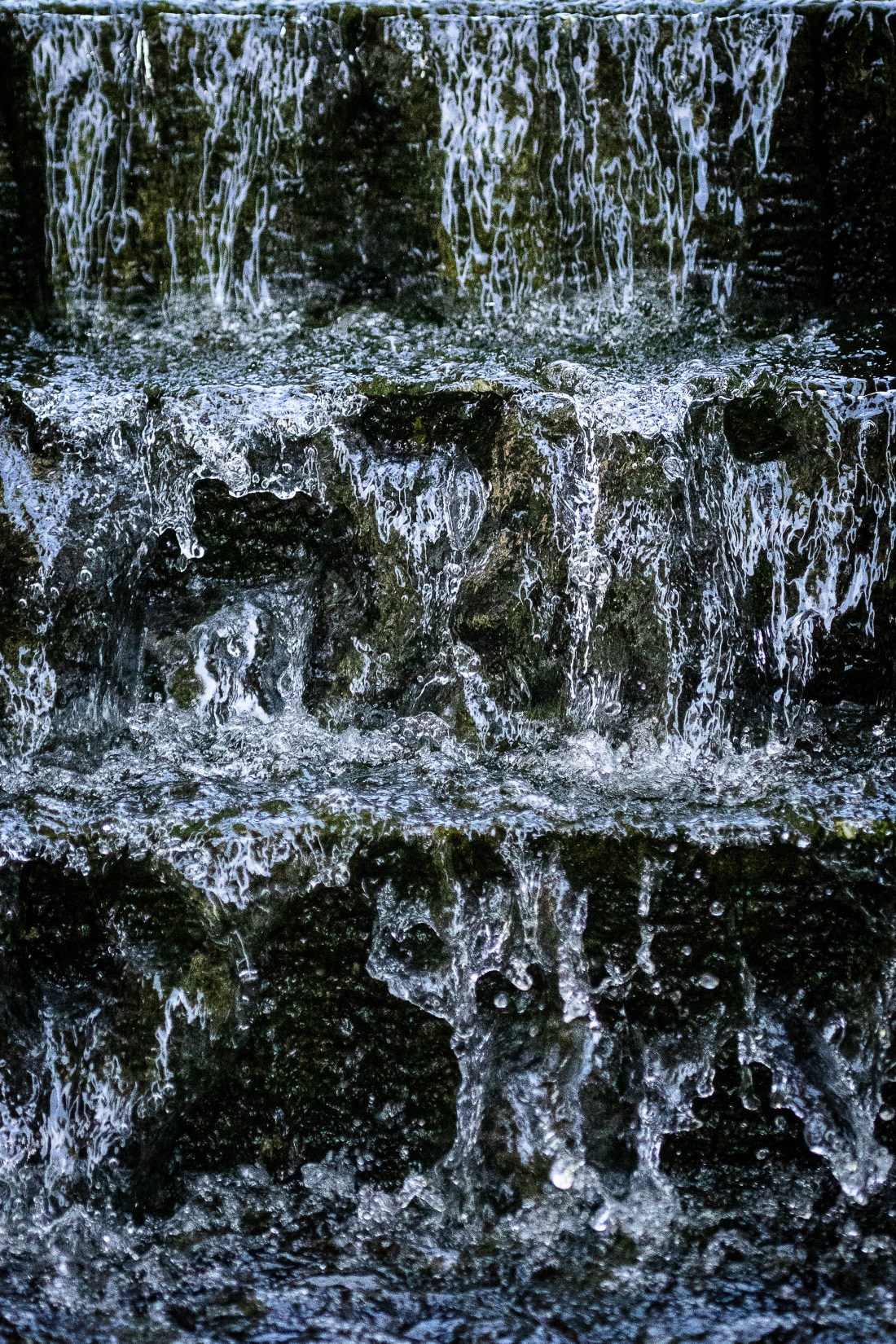
This was the first time I have done this. I think I was able to explain the rationale as to how I approached the exercise. The feedback was positive, and I was pleased that others appreciated the same aspects of the images of the fountain which I did. In particular the quality and nature of the light as it illuminated the droplets of water. The moss on the fountain has a distinct textured effect which was appreciated particularly by the textile students.

For improvement the suggestion was made to crop one of the images to make it more removed from context and more abstract. I had been thinking this myself, but kept it in to show the setting for the later pictures. However the cropped image is very effective and making it more abstract enhances the appearance of the shapes revealed by the fast shutter speed:


2019-06-06 Holker-52-2

Rock ’n’ roll sculpture helps save the sea. The Times, 8 June 2019

Rock ’n’ roll sculpture helps save the sea. The Times 8 June 2019

https://www.thetimes.co.uk/past-six-days/2019-06-08/news/rock-n-roll-sculpture-helps-save-the-sea-j5c2t8xt6 (accessed 09-06-2019)

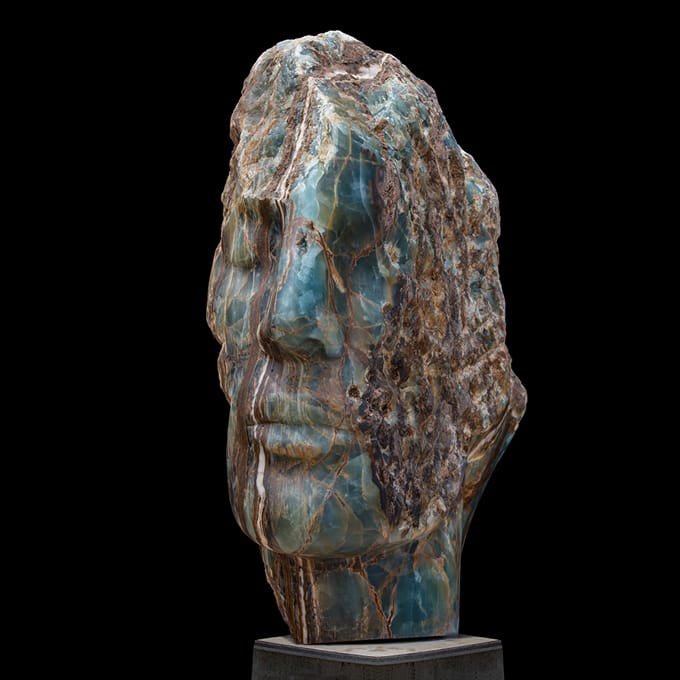
I saw this article in the paper and realised there was a contrast here between what the sculptor, Emily Young, is doing with her artwork and that which I described by Damien Hirst. Young is creating artworks which she then sinks onto the seabed – and leaves them there to protect the marine environment from illegal trawling. Whereas Hirst created artworks in such a way as to simulate them having been submerged and then recovered.

The works by Young, appear to be similar to others she has created without the intention of submerging them – she has made several of “heads” and images of these are on her website (http://www.emilyyoung.com/), such as this:

emily-young-blue-sea-head-private-sale-christies
Blue Sea Head. Emily Young

While the submerged sculptures will be available to view by divers, they will be changed by the marine environment and gradually covered in encrustations and marine life. They will become part of the environment. She is quoted as saying “I use raw, uncut stone that shows its natural weathering, its billions of years of history,” this will then be enhanced by the processes it undergoes with colonisation by marine life.

She describes the work as connecting “us with the planet instead of being separated from it and in charge of it”. This artwork by its positioning is protecting the planet from the influence of humans.

1 June 2019: My objectives

I suppose I started the course with the Aims of the Course as my main objectives. These are:

  • to use technical and visual skills appropriately
  • to produce practical work which uses the above understanding and demonstrates skills of personal engagement, enquiry, imagination and experimentation
  • to develop your understanding of contemporary and historical approaches to photography
  • to introduce critical analysis and self-appraisal of ideas, processes and outcomes

Additionally there was my own motivation for taking this course which I have not recorded in any other entry on this site. On reflection, I think what I wanted to get out of the course centred on the second and third of these course aims and perhaps could be summarised as:

“to develop my understanding of contemporary and historical approaches to photography and thereby to produce practical work which uses this understanding”
My secondary aim would be “to develop my critical analysis and self-appraisal of ideas, processes and outcomes particularly as related to my own technical and visual skills”

These are large scale aims and need breaking down into more manageable and achievable parts.

I have reviewed my posts over the last year and summarise the objectives and themes I identified below.

First meeting with my tutor
explore “drosscape” as a concept
Examine works of: Richard Misrach, Robert Adams, The New Topographics, William Eggleston, Fay Godwin
start a sketchbook of ideas for my first assignment

OCA – North: Study Visit, 2 June 2018
Aims for my “Square Mile” project are to examine the re-use of old buildings and sites

Hit the North
To gain an insight into more contemporary photography – ongoing 01/06/19
To see the work of photographers who create images in similar geographical areas to myself
To gain some ideas for use in my “Square Mile” project
To visit an exhibition and try to understand the range of work shown and the rationale for inclusion – ongoing 01/06/19
To try and study the work more systematically to develop my own assessment/appraisal skills – ongoing 01/06/19

Willy Ronis Exhibition
Understanding Editorial Control of Output and use of images – ongoing 01/06/19

Peggy Guggenheim collection
Better understanding of contemporary abstract and surrealistic art – ongoing 01/06/19

Don McCullin Exhibition
The effect of the act of photographing on the photographer – rather than the viewer – ongoing 01/06/19
Use of film- ongoing 01/06/19
Interaction with subjects in “street” photography- ongoing 01/06/19
Rachael Talibard
Use of video
The work of Warren Keelan, Mark Littlejohn
“Kindly vacancies” and the ideas of John Ruskin

Project 2 contd – work of Fay Godwin
“I think there is scope for more work in the printing of these and that is my next step.”

Tutor feedback following Assignment 2:

Find out the process by which I submit my assignment for assessment
Expand the background discussions into a greater examination of how photography is used in the collecting ordering and exhibition of objects
Review the final images and see if there is scope for improvement in quality – where the backgrounds are obvious
Expand my thinking and argument about what is needed to establish these as a series

Expand my entries regarding the coursework
Expand my entries to my learning log to include other experiences
Gain a better understanding of other disciplines and influence on photographic work
Examine the work by Mark Dion, and the publications in Provoke magazine


MY PLAN:

There are a number of themes here which are still ongoing

Skills:
Film Photography
On the basis of a suggestion from my tutor, as well as my study of the work of Don McCullin, Fay Godwin and others I am restarting my use of film and printing black and white images using 35mm and medium format media. My most urgent objective is to start developing and printing my own work.

Videography
The presentation by Rachael Talibard used video as well as still images. Over the last year I have been encouraged by others outside the course to produce video (as yet I have not posted regarding this, but intend to). What I have learned is that this has helped me to develop my visual skills and understanding of another medium, but before I can go further with this I need to improve my skills of handling digital video media and editing video.
I started using the Linkd In Learning course for Premiere Pro, but after access to this was withdrawn for OCA students, I have been using the Adobe publication Premiere Pro CC: Classroom in a Book. This is ongoing.

Use of WordPress
My ability to edit the format of this site is limited and as a result my Learning Log does not entirely meet my aspirations for it. I am slowly improving my abilities in this area, but this is not a high priority if my tutor and others can access it as I need.

Assessment and appraisal skills
I am still learning how to critically assess a piece of work, including that of others as well as my own.

Knowledge:
Gain a better understanding of other art disciplines and influence on photographic work
I am still trying to study other disciplines and investigate how they influence photography. I have made a start on this with things like the visit to the Peggy Guggenheim Collection and my small research around Frank Bowling but have a long way to go…

To gain an insight into more contemporary and historical approaches to photography
I have studied the work of some photographers to whose work I have been directed but this is an ongoing objective.

Attitudes:
The main objective here I think relates to the Assessment area of
Demonstration of creativity – Imagination, experimentation, invention
I have concerns that this is an area in which I am weak, and I hope that a better understanding of the creative process used by other artists will help me develop this more.

These are the main objectives I have set for myself for the next stages in the course. I plan to work on them either, as opportunities arise in the coursework and assignments, or in parallel when the course does not suggest it.

I will provide an update on this in a future post – I aim that these updates should be monthly!

My Learning: Objectives and Progress 1


1 June 2019

I have now been using this site for a year as the basis of my “Learning Log” and want to take stock and review it before progressing to the next sections of the course.

In its current format it works well for recording

  • My work on the coursework elements
  • My work and development on the Assignments
  • Experiences and learning activities such as reading, exhibitions, TV programmes and other activities
  • Feedback and suggestions from my tutor and other students

In my records of this type I have also described

  • What I learned from it and
  • What I will do as a result

Over the last year I have used this method and as a result I have a number of things to do that I have recorded in each post, but there is no way of pulling these together in such a way that I (and anyone reading this) can easily see what I have then done as a result of identifying a gap in my knowledge etc.

What I plan to do is to use the section originally called “Notes” on the OCA template to periodically pull all these objectives together and record what I have done towards them and what new things I have found I need to do. I have renamed this in the menu as “My Objectives and Progress”. (As an aside while doing this I have successfully altered the list in the menus, but the posts still read “Notes” so my new objective is to improve my ability to work with the WordPress site and tailor it to my style of working.)

In effect what I am trying to do is to document a Personal Development Plan (PDP) based on my progress through this course.

I want to try and focus the objectives on the Course Aims and Assessment Criteria:

The course aims to:
• enable you to begin using technical and visual skills appropriately
• enable you to produce practical work which uses the above understanding and demonstrates skills of personal engagement, enquiry, imagination and experimentation
• develop your understanding of contemporary and historical approaches to photography
• introduce critical analysis and self-appraisal of ideas, processes and outcomes

Assessment criteria points
• Demonstration of technical and visual skills – Materials, techniques, observational skills, visual awareness, design and compositional skills.
• Quality of outcome – Content, application of knowledge, presentation of work in a coherent manner, discernment, conceptualisation of thoughts, communication of ideas.
• Demonstration of creativity – Imagination, experimentation, invention.
• Context – Reflection, research, critical thinking.

My previous learning experiences have been based on a framework using the categories:

  • Skills
  • Knowledge
  • Attitude

Because I am familiar with this, I will be using it as my way of categorising my objectives as they relate to the course aims. The next post in this section will be a review of what objectives I have identified over the last year and what I have done towards them; followed by a summary of what I see as my objectives as of today. I plan to review these objectives monthly.

“All things bright and beautiful” The Times 31 May 2019

“All things bright and beautiful” The Times 31 May 2019
A review of a retrospective of the work of Frank Bowling at Tate Britain.

Frank Bowling is a Guyana-born British artist. His paintings relate to abstract expressionism, color field painting and lyrical abstractionhttps://en.wikipedia.org/wiki/Frank_Bowling Accessed 31/05/2019

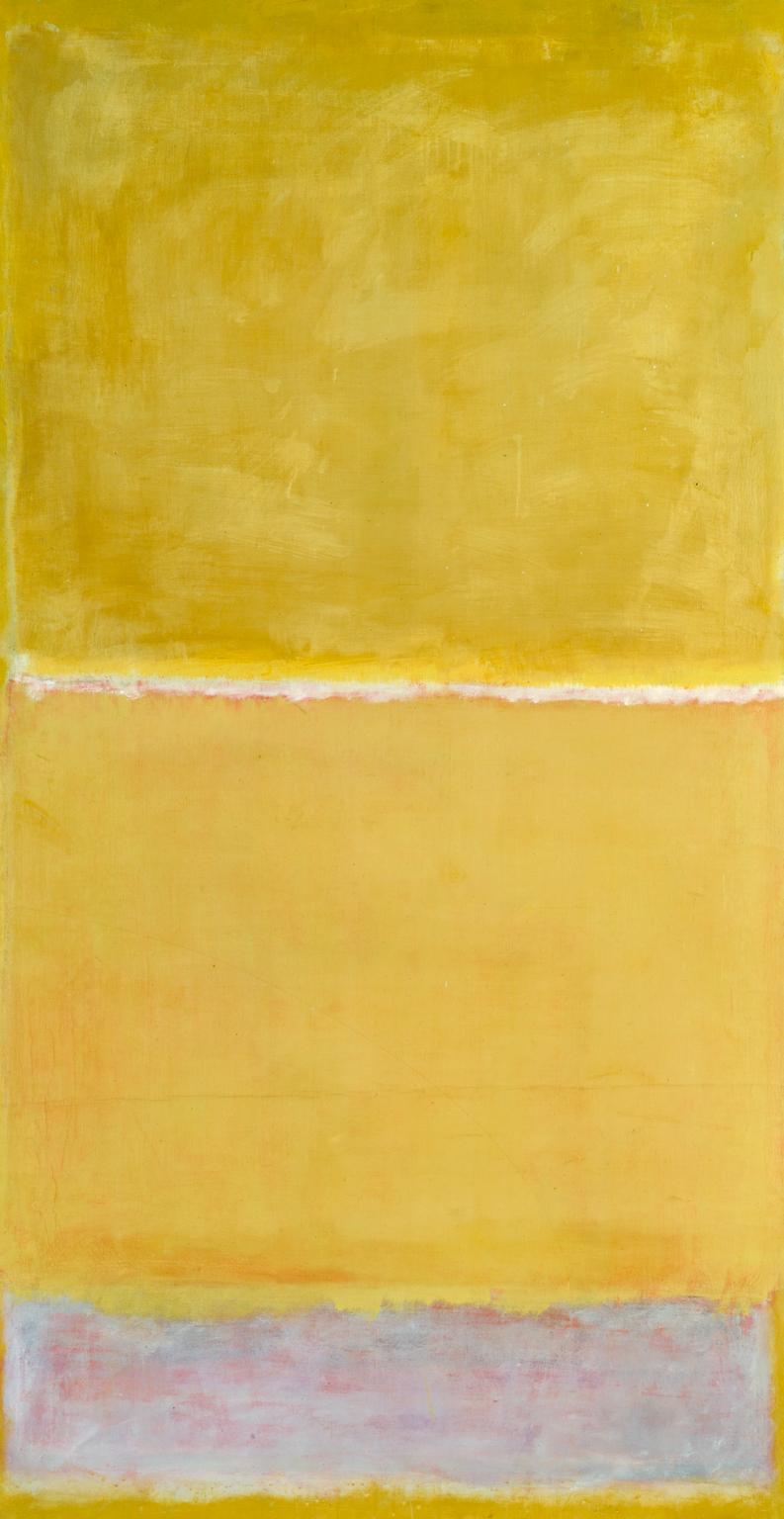
I have previously indicated that I am unfamiliar with styles and practitioners of abstract art and so read this article to further my knowledge. I noted that Bowling is described in his Wikipedia entry as practicing “color field painting”. Researching this a little I read that “The term colour field painting is applied to the work of abstract painters working in the 1950s and 1960s characterised by large areas of a more or less flat single colourhttps://www.tate.org.uk/art/art-terms/c/colour-field-painting Accessed 31/05/2019

An example of this is this work by Martin Rothko

Untitled c.1950-2 by Mark Rothko 1903-1970
Untitled Mark Rothko c.1950-2


Retrospectively I think it was this style of having bold blocks of colour which I was trying to emulate in this landscape image from a few years ago.

2014-04-26 -27
Spain

The Times article describes a painting by Bowling, Moby Dick.

Moby Dick, painted in 1981, couldn’t be more like an underwater scene;”

Frank_Bowling__Moby_Dick__1981__acrylic_on_canvas__258_x_190_cm_270_01
Moby Dick. Frank_Bowling


Bowling also began to enjoy the unexpected effects his paintings had on the viewer. He welcomed the interpretations and responses, though they had nothing to do with his own intentions, which were entirely formal. It is nice to know this because it frees the viewer to allow their imagination run with what could otherwise be rather opaque images.”

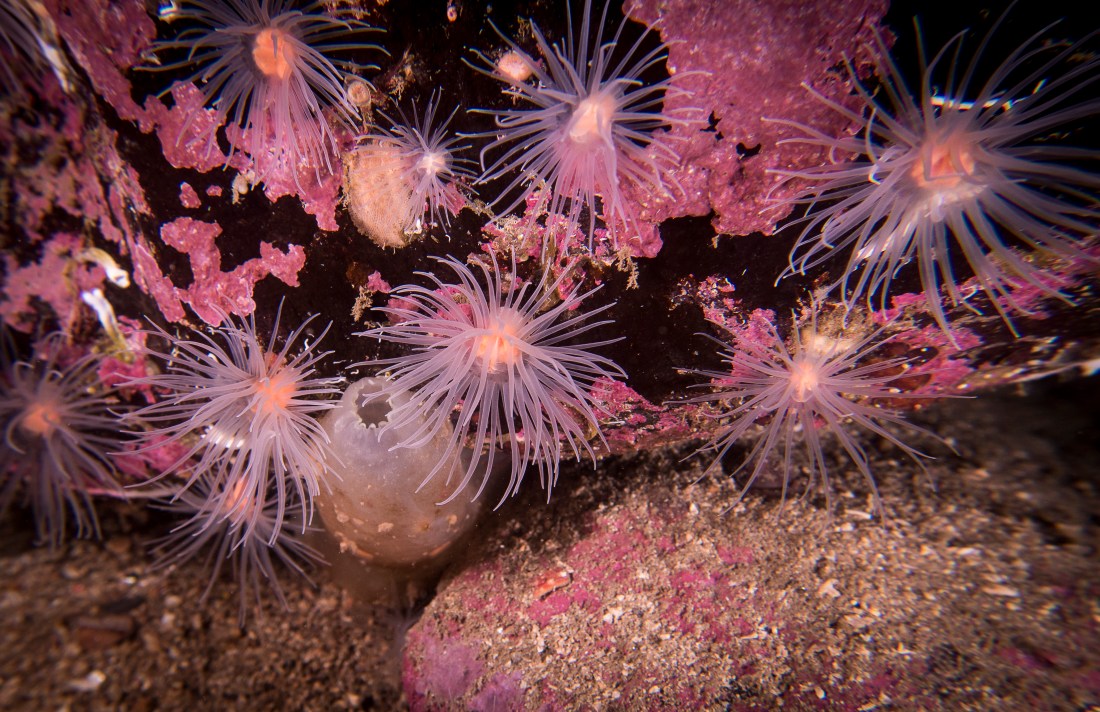
This painting is to me reminiscent of encrustations on the rocks underwater, the colours likewise are those of some underwater scenes.

It reminds me of scenes like this:

2017-08-29 Loch Nevis-26
Loch Nevis 26

This made me consider incorporating this influence into my depictions of underwater objects for my “Collections” assignment.


Feedback from my tutor and others

My Tutor’s Comments

I have had written feedback from my tutor (9/2/2019) about this submission and my course work to date.

He was positive about the technical aspects of the work, and considered the research “fundamentally sound”.

He suggested areas for further development of the theme of the project as he suggested that my work reflects a “photographic expression of the dominant ideology by which public institutions shape our understanding of history, knowledge, and the natural world” and that there is potential to “consider further the ‘normal’ archeological and scientific methods of collecting, ordering, and exhibiting objects”.

Regarding the coursework he suggested adding more detail to the entries about the exercises.

The other elements he commented on and suggested are to expand the range of entries in my learning log to add further experiences/conversations or events. He also suggested I try and expand my thinking across other arts disciplines. He gave me some suggestions for journals and artists’ work to look at including “Oceanmania by Mark Dion.


Feedback from other students

I also posted a link to my site on the student discussion forum and invited any comments from fellow students.

Overall these were positive about the technical aspects of the images. Some colleagues suggested removing some artefacts and replacing with others to create stronger links.


Action Points:

Overall my actions from this feedback are going to be:

Assignment 2:

  • Find out the process by which I submit my assignment for assessment
  • Expand the background discussions into a greater examination of how photography is used in the collecting ordering and exhibition of objects
  • Review the final images and see if there is scope for improvement in quality – where the backgrounds are obvious
  • Expand my thinking and argument about what is needed to establish these as a series

Coursework and other elements

  • Expand my entries regarding the coursework
  • Expand my entries to my learning log to include other experiences
  • Gain a better understanding of other disciplines and influence on photographic work
  • Examine the work by Mark Dion, and the publications in Provoke magazine