Further thoughts on Colour Field Painters: Franco Fontana

Further thoughts on Colour Field Painters: Franco Fontana

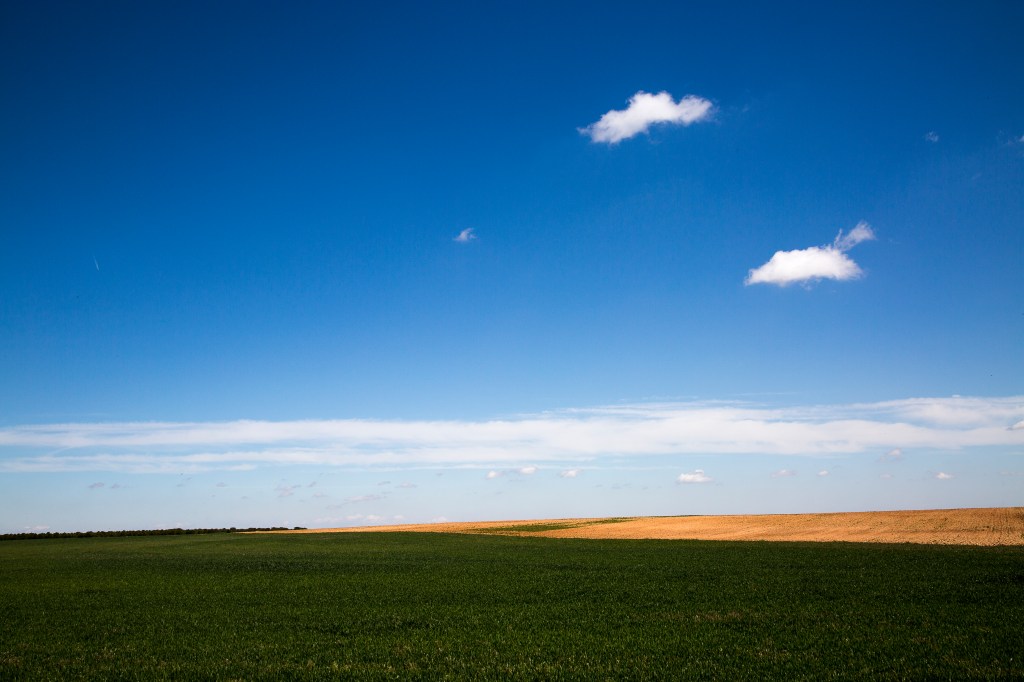
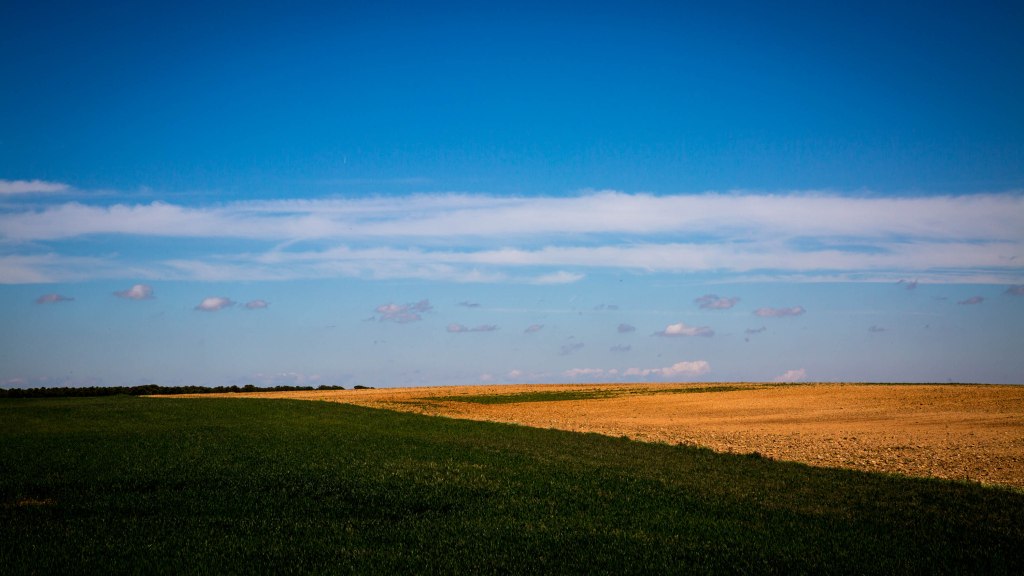
In my post regarding the work of Frank Bowling and colour field painters, I referred to this image which I had made in Spain before starting this course.

2014-04-26 -27
Spain 27

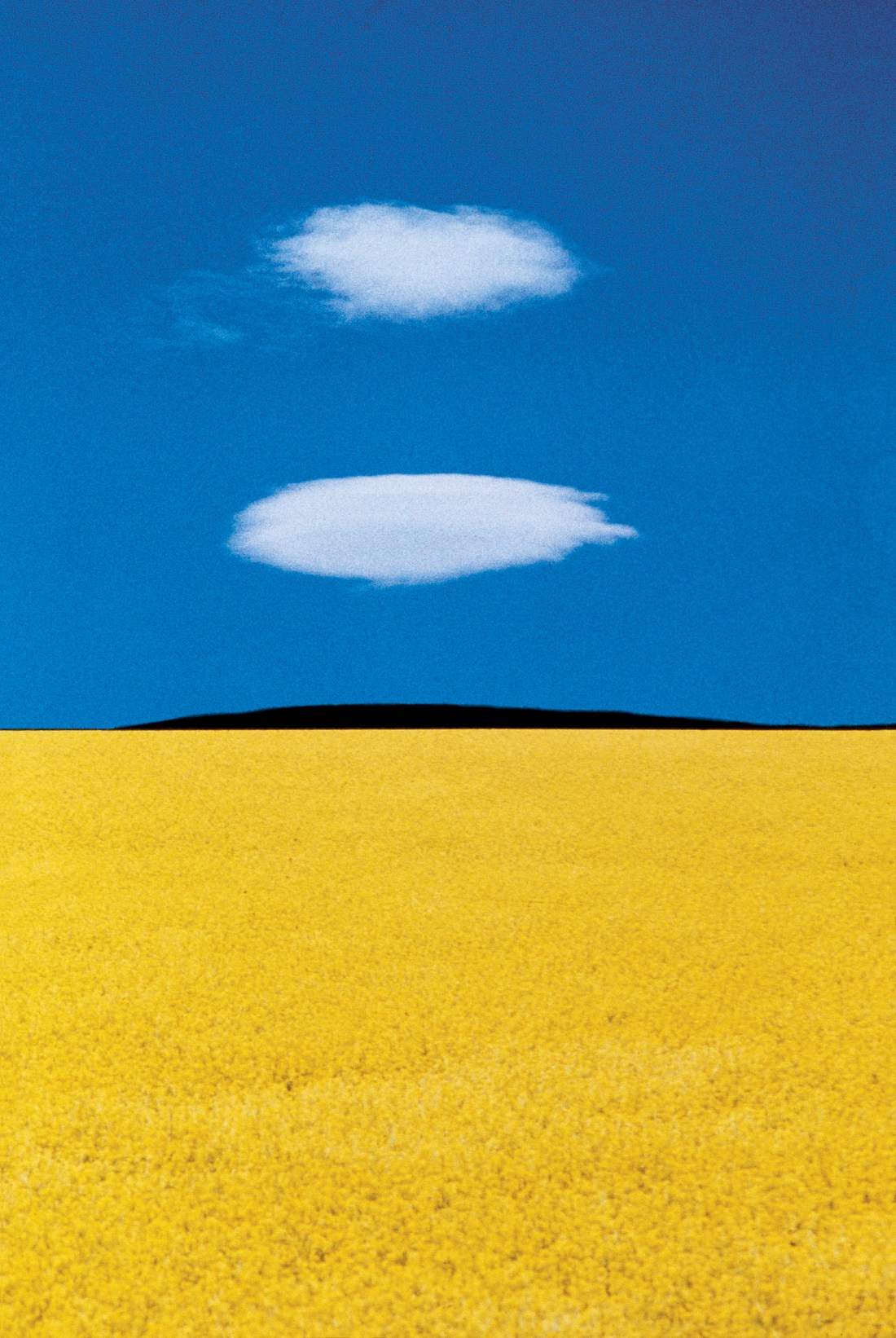
At the time I made that image I had seen the work of a landscape photographer whose name I have been unable to remember and whose work I have unsuccessfully tried to research. However having recently looked at the learning log of another student, I found reference to the photographer, Franco Fontana, and have realised this is the photographer whose work I had seen and which influenced this image.

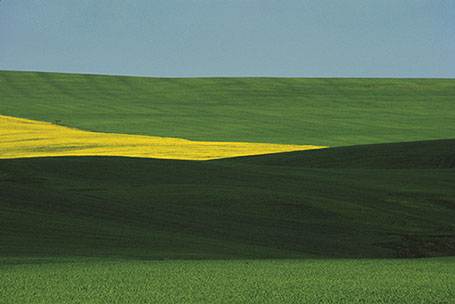
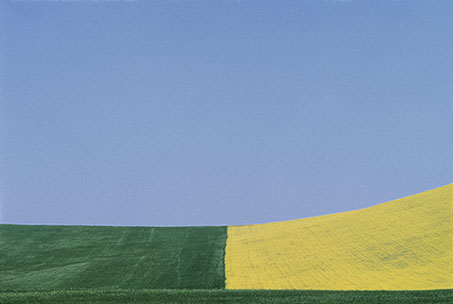
Images such as these he made in Italy show strong abstract-like landscapes with large blocks of vivid colour. The result is very similar to the images made by the colour field painters I have referred to previously.

Landscape Puglia, 1978
Landscape Puglia, 1978: Franco Fontana

During my trip to Spain I made a number of images in response to this idea.

References

References

This post contains full references to all the works cited in other posts in this blog.

Abel-Hirsch, H. (2018) London: A visual love song. At: https://www.bjp-online.com/2018/02/rut-blees-luxemburg-modern-project-liebeslied/ (Accessed 02/06/2020).

Alexia Clorinda (s.d.) At: https://www.alexiaclorinda.com/home/about/ (Accessed 02/07/2020).

Baker, S. and Mavlian, S. (2019) Don Mccullin. (s.l.): Tate Publishing, Limited.

Barrett, T. (1997) Photographs and Context. At: http://terrybarrettosu.com/wp-content/uploads/2017/08/B_PhotAndCont_97.pdf (Accessed 13/06/2020).

Bate, D. (2016) Photography: The Key Concepts. (s.l.): Bloomsbury Publishing.

Brassaï Artworks & Famous Photography (2020) At: https://www.theartstory.org/artist/brassai/artworks/ (Accessed 04/06/2020).

Cartier-Bresson, H. and Simon, R. L. (2014) The decisive moment. (s.l.): Steidl Göttingen.

Catling, B. (2012) The Vorrh. London: Honest.

Chris Steele-Perkins; Mount Fuji (s.d.) At: https://www.prixpictet.com/portfolios/earth-shortlist/chris-steele-perkins/ (Accessed 18/06/2020).

Davies, J. (s.d.) John Davies Biography. At: http://www.johndavies.uk.com/abiog.htm (Accessed 18/06/2020).

Diprose, G. and Robins, J. (2012) Photography – The New Basics: Principles, Techniques and Practice. London: Thames & Hudson.

Duncan Hill Photo (s.d.) At: https://www.duncanhillphoto.com/about (Accessed 24/06/2020).

Editorial @ ASX (2010) Michael Schmidt: ‘Thoughts About My Way of Working’ (1979). At: https://americansuburbx.com/2010/10/michael-schmidt-thoughts-about-my-way-of-working-1979.html (Accessed 31/05/2020).

Eugène Atget (2020) At: https://www.nga.gov/collection/artist-info.13548.html (Accessed 31/05/2020).

Fernández, E. (2018) ‘Hong Kong’s fight to save its neon shimmer – a photo essay’ In: The Guardian 25/07/2018 At: http://www.theguardian.com/travel/2018/jul/25/hong-kong-neon-lighting-threat-chinese-regulations (Accessed 04/06/2020).

Flusser, V. (2000) Towards a philosophy of photography. London: Reaktion.

Flusser, V. (2012) ‘Towards a theory of techno-imagination’ In: Philosophy of photography 2 (2) pp.195–201.

Franco Fontana (s.d.) At: http://francofontanaphotographer.com/tablet/biography.html (Accessed 14/08/2020).

From the Rokeby Venus to Fascism Pt 1: Why did suffragettes attack artworks? (s.d.) At: http://www.artinsociety.com/from-the-rokeby-venus-to-fascism-pt-1-why-did-suffragettes-attack-artworks.html (Accessed 28/06/2020).

Ghazzal, Z. (s.d.) decisive moments. At: http://zouhairghazzal.com/photos/aleppo/cartier-bresson.htm (Accessed 18/09/2020).

Goldblatt, D. and Brown, L. (eds.) (1997) Aesthetics: A Reader in Philosophy of the Arts. Upper Saddle River: Prentice Hall.

Hal Roach comedy clip with Oliver Hardy cameo in 1920s. | Huntley Film Archives (s.d.) At: https://www.huntleyarchives.com/preview.asp?image=1099739 (Accessed 22/07/2020).

Henri Cartier-Bresson | Behind the Gare Saint-Lazare (1932) | Artsy (s.d.) At: https://www.artsy.net/artwork/henri-cartier-bresson-behind-the-gare-saint-lazare-4 (Accessed 22/07/2020).

Higgins, A. (2017) Woodhead’s forgotten tragedy. At: http://www.historyhome.co.uk/peel/railways/woodhead2.htm (Accessed 09/07/2020).

Hsu, L. (s.d.) The Decisive Moment — Fraction Magazine. At: http://www.fractionmagazine.com/the-decisive-moment (Accessed 18/09/2020).

Jean Baptiste Huynh – Site officiel (s.d.) At: http://www.jeanbaptistehuynh.com/ (Accessed 11/06/2020).

Little, W. et al. (1973) The shorter Oxford English dictionary on historical principles. Oxford: Oxford University Press.

Luxemberg, R. B. and Duttman, A. G. (2000) Liebeslied: My Suicides. London: Black Dog.

Mann, S. (2020) Sally Mann. At: https://www.sallymann.com/new-page (Accessed 31/05/2020).

Matthew Murray (s.d.) At: https://www.matthewmurray.co.uk/saddleworth (Accessed 28/06/2020).

Michael Schmidt | Prix Pictet (2013) At: https://www.prixpictet.com/portfolios/consumption-shortlist/michael-schmidt/ (Accessed 31/05/2020).

Murray, M. (2017) ‘Matthew Murray’s atmospheric landscape images inspired by walks on Saddleworth Moor’ In: British Journal of Photography: Journeys (7865) pp.20–21.

NGV Melbourne (2017) The four seasons | David Hockney. At: https://www.youtube.com/watch?v=ijndJWCJzoo (Accessed 17/08/2020).

O’Byrne, R. (2014) H. Cartier-Bresson: l’amour tout court. At: https://vimeo.com/106009378 (Accessed 18/09/2020).

Pantall, C. (s.d.) photo-eye Book Reviews: The Present. At: https://blog.photoeye.com/2012/05/photo-eye-book-reviews-present.html (Accessed 18/09/2020).

Paul Graham Archive (s.d.) At: https://www.paulgrahamarchive.com/thepresent.html (Accessed 18/09/2020).

Rong, J. and Mann, S. (2013) An Exclusive Interview with Sally Mann – ‘The Touch of an Angel’ (2010). At: https://americansuburbx.com/2013/01/interview-sally-mann-the-touch-of-an-angel-2010.html (Accessed 29/05/2020).

Schmidt, M. and Schleef, E. (1987) Waffenruhe. Berlin: Dirk Nishen Verlag.

Shintaro, S. (s.d.) Night Lights, Sato Shintaro. At: http://sato-shintaro.com/work/night_lights/statement.html (Accessed 02/06/2020).

SR Contemporary Art (2018) At: http://www.photography-in.berlin/sr-contemporary-art-franco-fontana-deep-in-colors/ (Accessed 14/08/2020).

Steward, J. C. (2000) ‘The camera of Sally Mann and the spaces of childhood’ In: Michigan quarterly review 39 (2) p.365.

Suler, J. (s.d.) Photographic Psychology: The Decisive Moment. At: http://truecenterpublishing.com/photopsy/decisive_moment.htm (Accessed 18/09/2020).

Szarkowski, J. (2020) Eugène Atget. At: https://www.britannica.com/biography/Eugene-Atget (Accessed 31/05/2020).

Tate (s.d.) Paul Graham born 1956. At: https://www.tate.org.uk/art/artists/paul-graham-2337 (Accessed 18/09/2020).

THE HUNT IN THE FOREST (s.d.) At: https://www.ashmolean.org/hunt-forest (Accessed 26/07/2020).

The Irving Penn Foundation (s.d.) At: https://irvingpenn.org/biography (Accessed 11/06/2020).

V, C. E. N. and Canon Europe Ltd 2002- (s.d.) White Balance – Canon Professional Network. At: https://cpn.canon-europe.com/content/education/infobank/white_balance/white_balance.do (Accessed 29/06/2020).

Weston, E. and Newhall, N. (1961) The Daybooks of Edward Weston, Vol II (California). Vol. 1961. New York: Horizon Press. p.20.

Wikipedia contributors (2019) Pepper No. 30. At: https://en.wikipedia.org/w/index.php?title=Pepper_No._30&oldid=916517181 (Accessed 11/06/2020).

Wikipedia contributors (2020) Mass trespass of Kinder Scout. At: https://en.wikipedia.org/w/index.php?title=Mass_trespass_of_Kinder_Scout&oldid=961817357 (Accessed 22/06/2020).

Wikipedia contributors (s.d.) Friedrich Seidenstücker. At: https://de.wikipedia.org/w/index.php?title=Friedrich_Seidenst%C3%BCcker&oldid=170721804 (Accessed 18/07/2020).

Rock ’n’ roll sculpture helps save the sea. The Times, 8 June 2019

Rock ’n’ roll sculpture helps save the sea. The Times 8 June 2019

https://www.thetimes.co.uk/past-six-days/2019-06-08/news/rock-n-roll-sculpture-helps-save-the-sea-j5c2t8xt6 (accessed 09-06-2019)

I saw this article in the paper and realised there was a contrast here between what the sculptor, Emily Young, is doing with her artwork and that which I described by Damien Hirst. Young is creating artworks which she then sinks onto the seabed – and leaves them there to protect the marine environment from illegal trawling. Whereas Hirst created artworks in such a way as to simulate them having been submerged and then recovered.

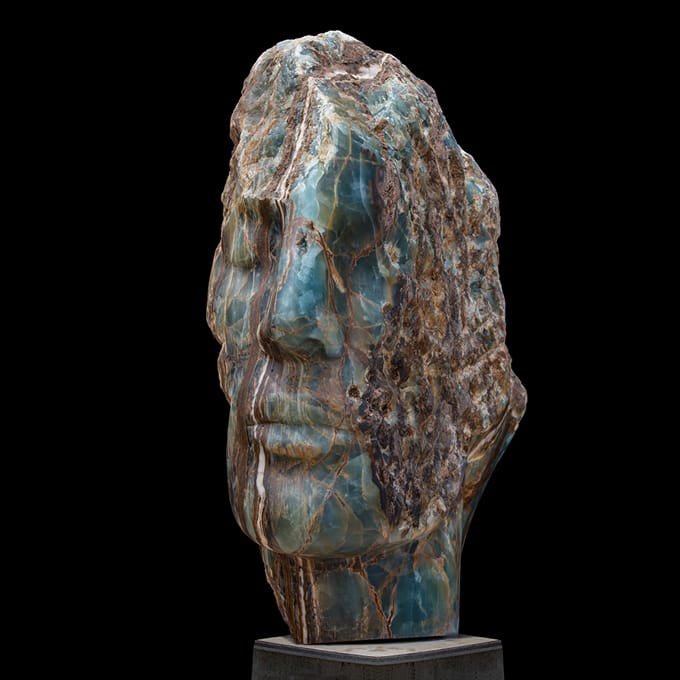
The works by Young, appear to be similar to others she has created without the intention of submerging them – she has made several of “heads” and images of these are on her website (http://www.emilyyoung.com/), such as this:

emily-young-blue-sea-head-private-sale-christies
Blue Sea Head. Emily Young

While the submerged sculptures will be available to view by divers, they will be changed by the marine environment and gradually covered in encrustations and marine life. They will become part of the environment. She is quoted as saying “I use raw, uncut stone that shows its natural weathering, its billions of years of history,” this will then be enhanced by the processes it undergoes with colonisation by marine life.

She describes the work as connecting “us with the planet instead of being separated from it and in charge of it”. This artwork by its positioning is protecting the planet from the influence of humans.

“All things bright and beautiful” The Times 31 May 2019

“All things bright and beautiful” The Times 31 May 2019
A review of a retrospective of the work of Frank Bowling at Tate Britain.

Frank Bowling is a Guyana-born British artist. His paintings relate to abstract expressionism, color field painting and lyrical abstractionhttps://en.wikipedia.org/wiki/Frank_Bowling Accessed 31/05/2019

I have previously indicated that I am unfamiliar with styles and practitioners of abstract art and so read this article to further my knowledge. I noted that Bowling is described in his Wikipedia entry as practicing “color field painting”. Researching this a little I read that “The term colour field painting is applied to the work of abstract painters working in the 1950s and 1960s characterised by large areas of a more or less flat single colourhttps://www.tate.org.uk/art/art-terms/c/colour-field-painting Accessed 31/05/2019

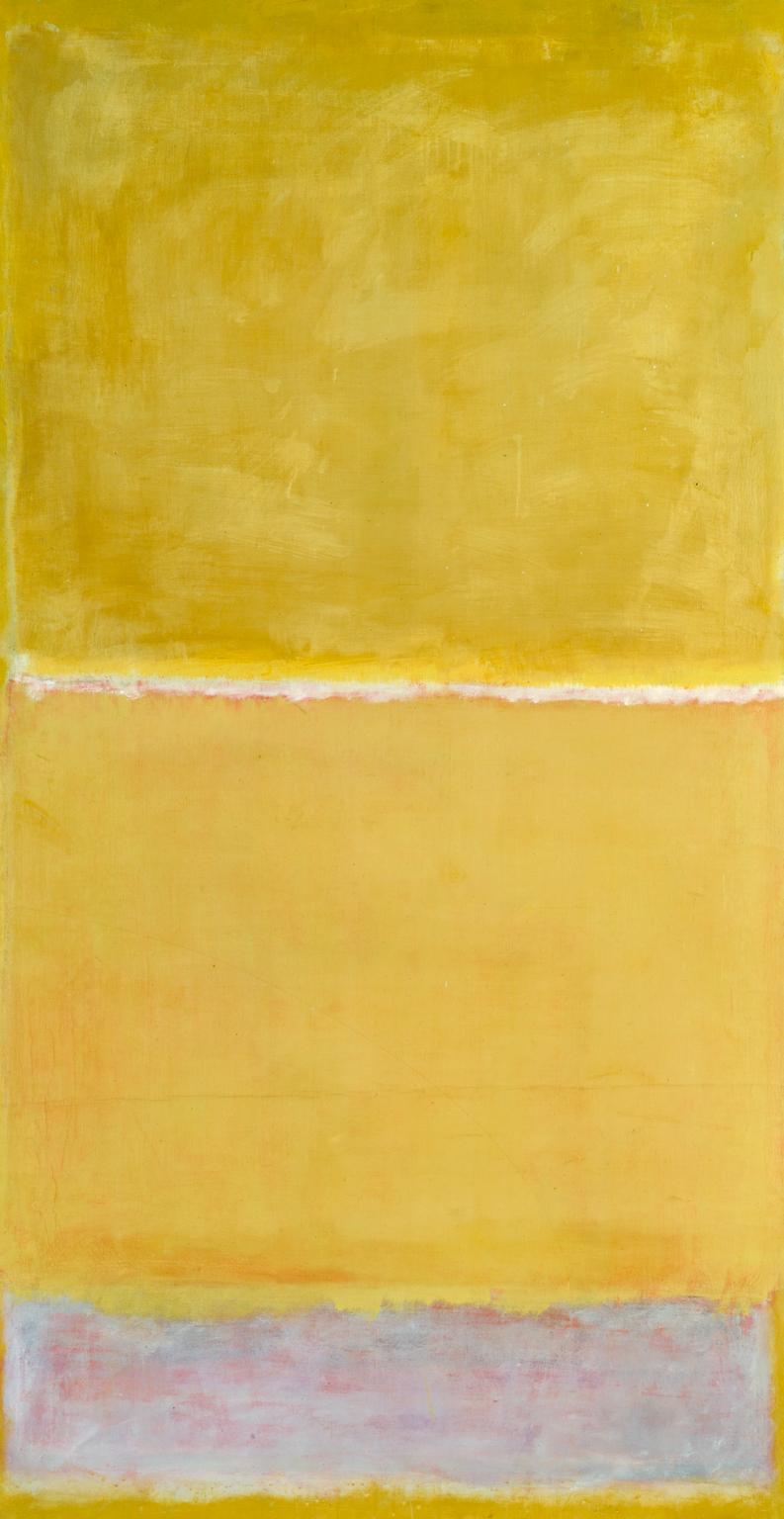
An example of this is this work by Martin Rothko

Untitled c.1950-2 by Mark Rothko 1903-1970
Untitled Mark Rothko c.1950-2


Retrospectively I think it was this style of having bold blocks of colour which I was trying to emulate in this landscape image from a few years ago.

2014-04-26 -27
Spain

The Times article describes a painting by Bowling, Moby Dick.

Moby Dick, painted in 1981, couldn’t be more like an underwater scene;”

Frank_Bowling__Moby_Dick__1981__acrylic_on_canvas__258_x_190_cm_270_01
Moby Dick. Frank_Bowling


Bowling also began to enjoy the unexpected effects his paintings had on the viewer. He welcomed the interpretations and responses, though they had nothing to do with his own intentions, which were entirely formal. It is nice to know this because it frees the viewer to allow their imagination run with what could otherwise be rather opaque images.”

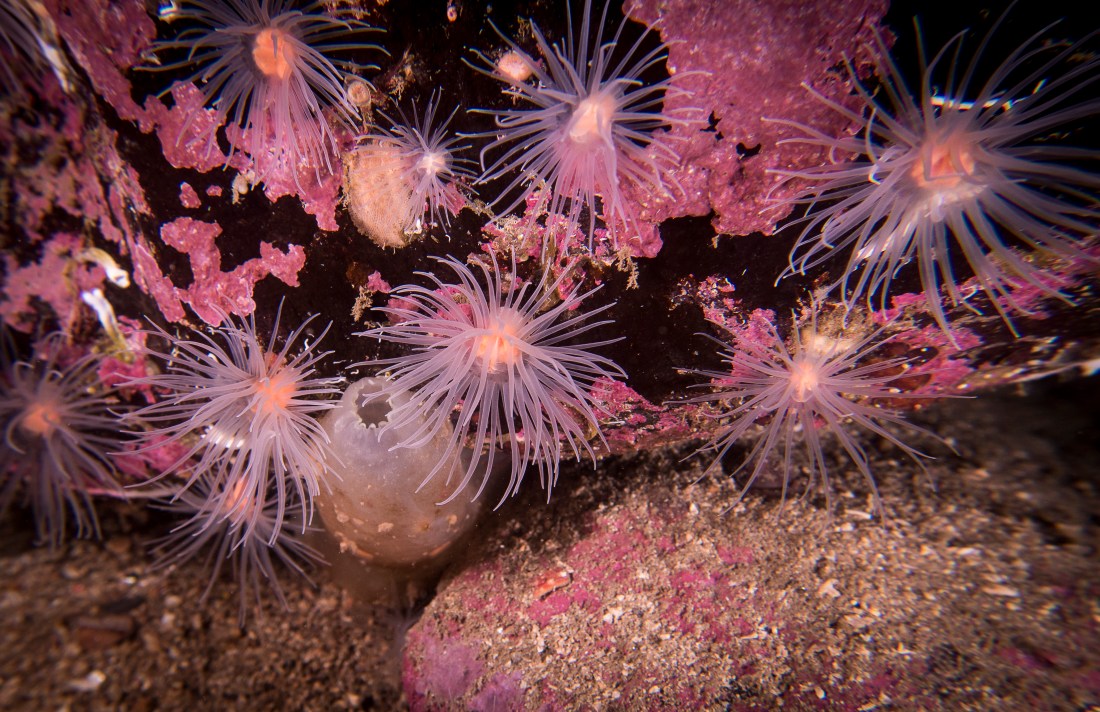
This painting is to me reminiscent of encrustations on the rocks underwater, the colours likewise are those of some underwater scenes.

It reminds me of scenes like this:

2017-08-29 Loch Nevis-26
Loch Nevis 26

This made me consider incorporating this influence into my depictions of underwater objects for my “Collections” assignment.


Fay Godwin

I had been directed towards examining the work of Fay Godwin by my tutor and then later in Part 2, Project 2 of EYV.

My research of her biographical details and published works is in my written notes and I will not reproduce here for conciseness.

Fay Godwin was a photographer who started her career photographing her children and then making portraits of literary figures in the 1970’s and 80’s. However her first published works were of landscapes, and it is in this genre she is most regarded.

In my research for this element, I have examined:

  • “Remains of Elmet” (1979), her collaboration with Ted Hughes
  • “Our Forbidden Land” (1990)

I also made a research visit to the Museum of Science and Media, Bradford (15 February 2019) and examined the archive material there. This material includes that displayed in the exhibition of her work “Land Revisited” which closed on 27 March 2011. It includes material included in her publication “Land” (1985) as well as other material. I have been able to photograph some of these images and they are reproduced here for study purposes.

I have several thoughts about the work, regarding what I have learned from this exercise.

Use of depth of field
All the images I viewed in Bradford had deep depth of field such that no part of any image was out of focus.

This was obvious in wide landscape images such as “Markerstone on the old London to Harlech road 1976”

Fay godwin - Markerstone on the old London to Harlech road 1976
Markerstone on the old London to Harlech Road. Fay Godwin (NSMM 1994/5015/52)


In this image the foreground grass is shown in precise focus and detail. I assume that a small aperture was used to take the image to give such a deep depth of field, and therefore a long exposure. In other images this results in blurring of those parts of the subject which move during the exposure. This is obvious in “Stream and Birch, Glen Bheinn Sutherland” (National Science and Media Museum, 1994/5015/87) where the branches of the tree have moved and are depicted as a blur.


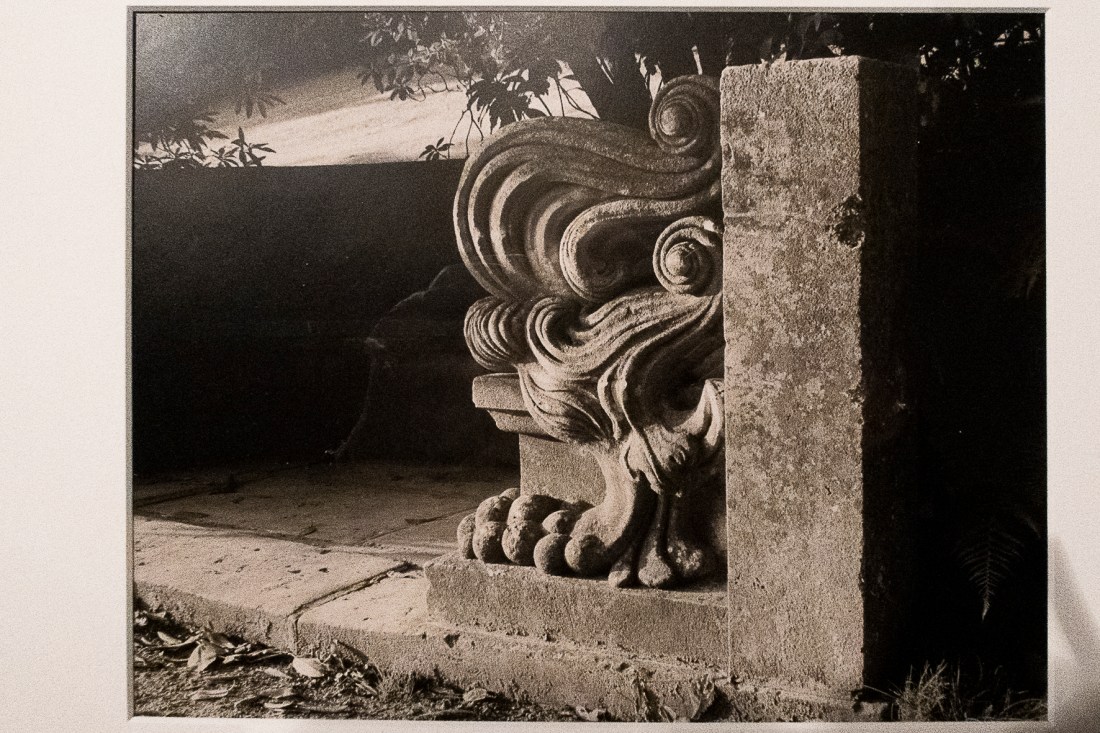
Godwin also used this technique in other images where other artists might has used a shallow depth of field to emphasise part of the subject. I saw this in “Carved Bench, Stourhead” (National Science and Media Museum, 1994/5015/70) where both the foreground grass and the leaves in the background are in sharp focus.

Carved Bench, Stourhead. Fay Godwin
Carved Bench, Stourhead. Fay Godwin (NSMM 1994/5015/70)


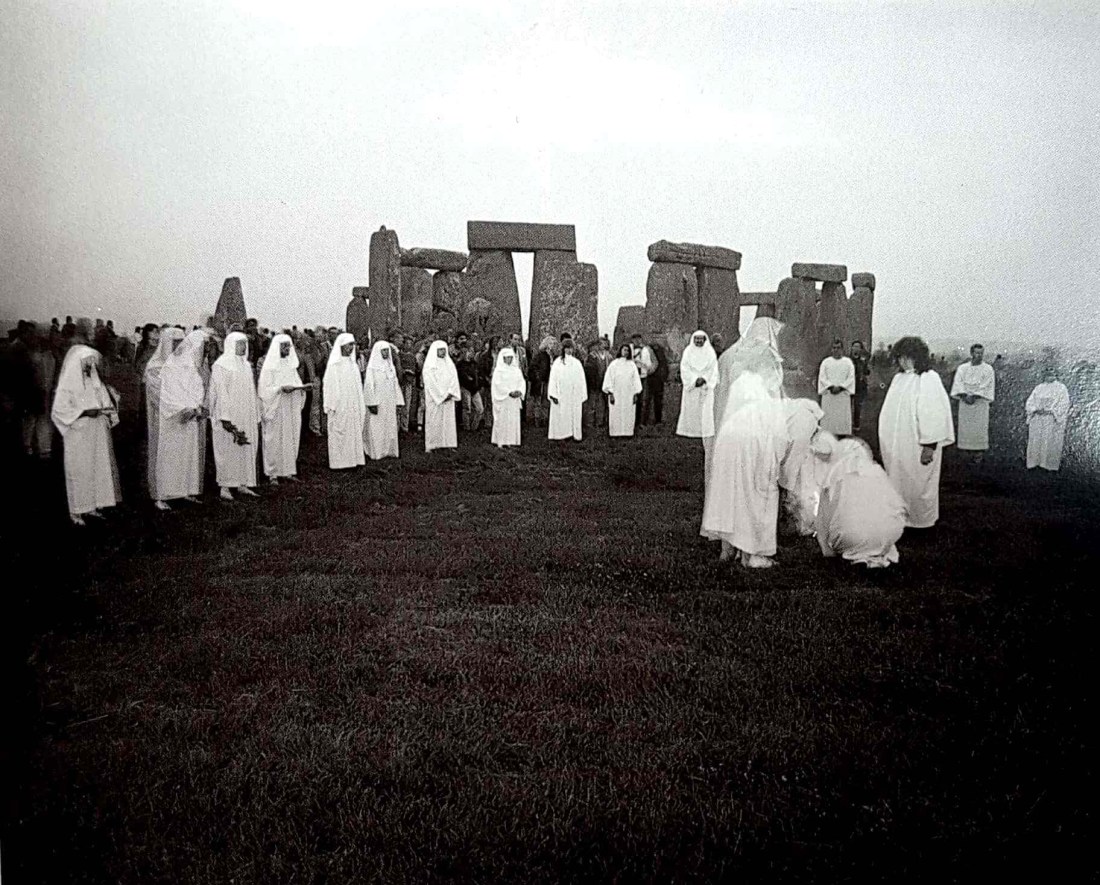
She also uses a long exposure in what might be a more documentary image “Free the Stones”. The foreground and background are in sharp focus, but the people photographed have clearly moved during the exposure. I am unclear what her aim was in producing this image, but it remains atmospheric and the blurring of the people captures their movement.

Free the Stones
Free the Stones. Fay Godwin

In terms of this exercise, our course notes suggest that “depth of field was also a political decision for… Fay Godwin”. She appears to use a deep depth of field in virtually all her images. In this way she depicts the entire scene and does not emphasise any one part. I would suggest that this is consistent with her answer to a question put in an interview in 2002:

“Interviewer: Your photographs are often seen as being politically active. Is there a hidden agenda in your photography?
Godwin: The viewer must bring their own view to a photograph.”

Interview by Sophie Martin-Castex (2002), transcript published on http://www.uklandscape.net/interviews/int%20godwinF.html (Accessed 17/05/2019)

Godwin sets out the scene in her image and allows the observer to make of it what they will. Nonetheless her choice on subject and viewpoint determine what she wants to show to the observer.

Compositional technique
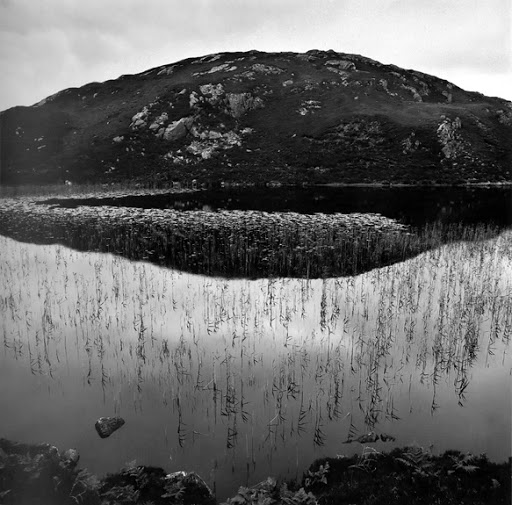
The wide depth of field she uses allows the use of foreground objects and features to contribute to the composition. This is the case in images such as “Reedy Loch” where the detail of the reeds attracts the eye to the foreground.

Fay Godwin Reedy Loch
Reedy Loch. Fay Godwin (NSMM 1994/5015/95)

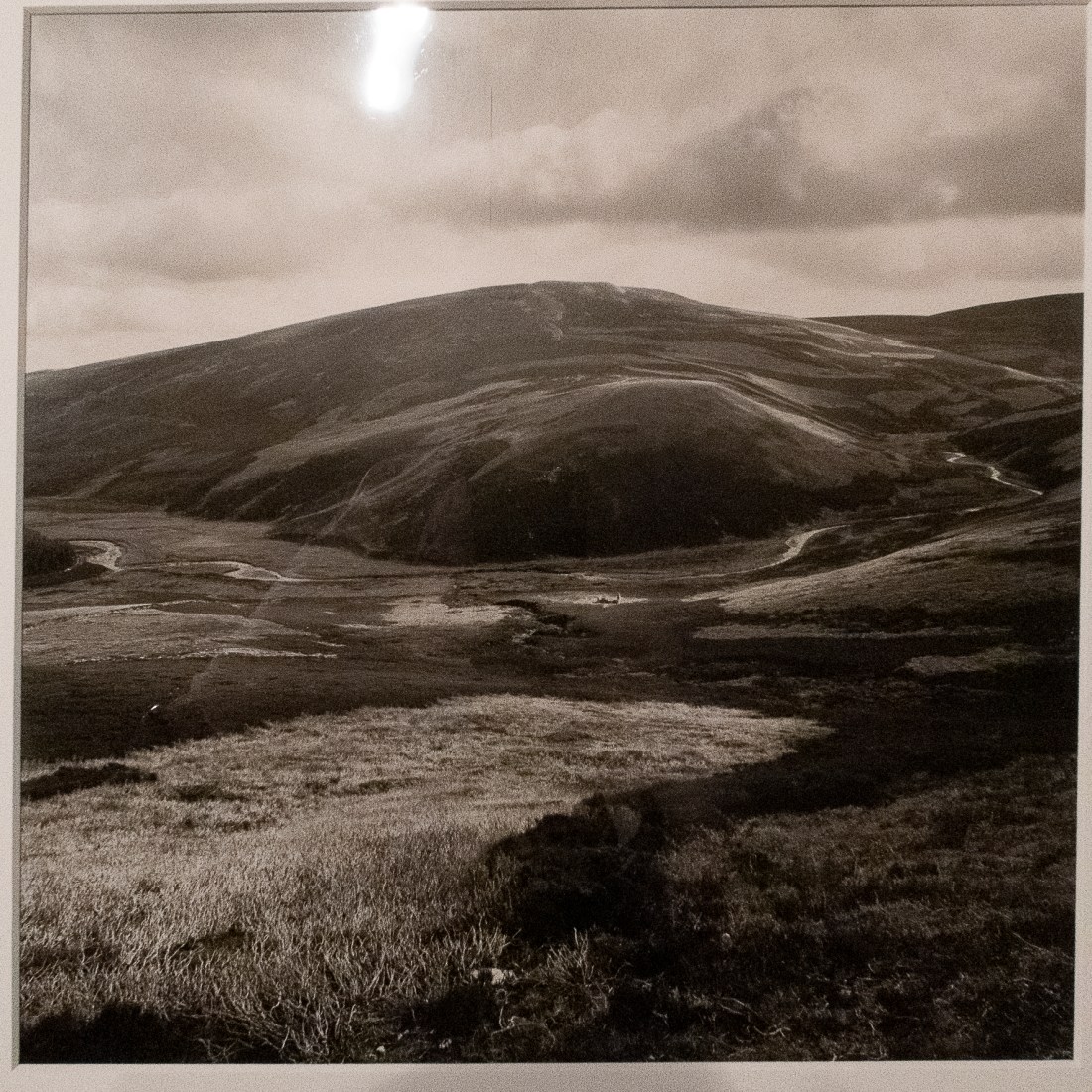
Other compositional techniques I was aware of was the use of patterns in the landscape revealed by the lighting which make an interesting image of a wide panorama of moorland. Examples of this include “View from Duffdefiance, Glen Buchat” (National Science and Media Museum, 1994/5015/74) where patterns in the vegetation provide light and dark on the otherwise featureless moor.

View from Duffdefiance, Glen Buchat. Fay Godwin
View from Duffdefiance, Glen Buchat. Fay Godwin (NSMM 1994/5015/74)

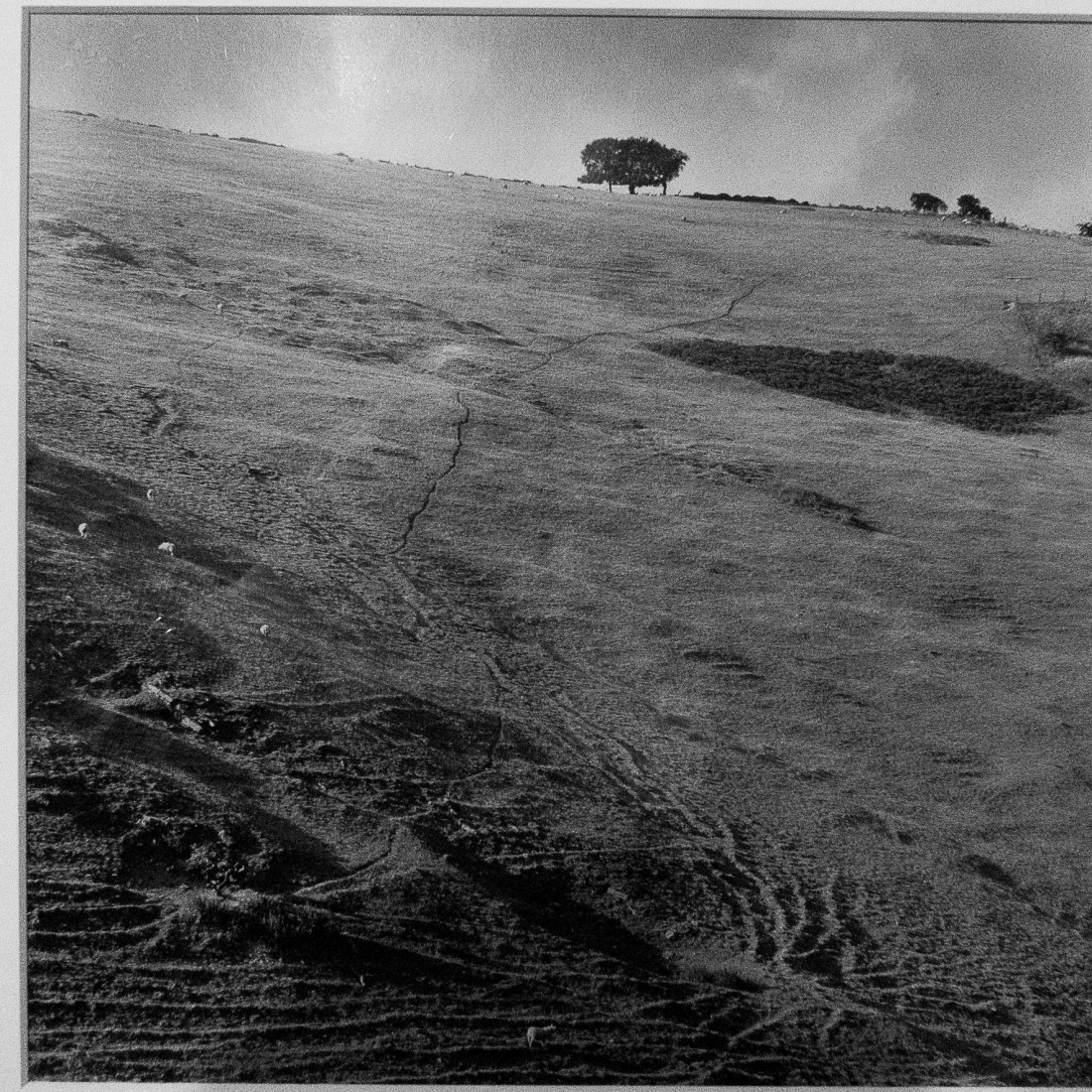
Similarly in “Haven Hill, Bradbourne” (National Science and Media Museum, 1994/5015/72) the angle of the light has emphasised the path erosion and provided lines across the hillside.

Haven Hill, Bradbourne. Fay Godwin
Haven Hill, Bradbourne. Fay Godwin (NSMM 1994/5015/72)


Sparse use of darkening of the sky
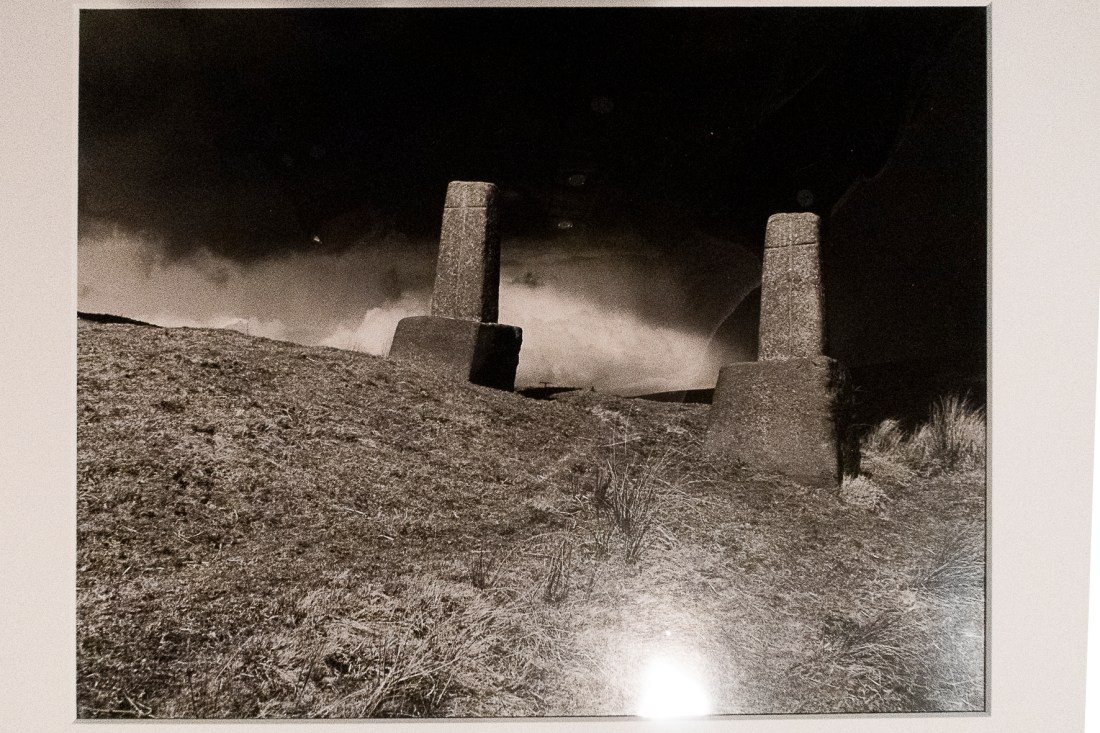
Godwin presents her images with a very naturalistic feel. The tonal quality of the skies is very natural and with a few exceptions is not darkened. These exceptions provide dramatic contrasts such as in the image of “Abel Cross” (National Science and Media Museum, 1994/5015/2)

Abel Cross. Fay Godwin
Abel Cross. Fay Godwin (NSMM 1994/5015/2)


Why People Photograph. Robert Adams (1994) Aperture

I was directed to this book by my tutor as an introduction to the course.

It is a series of essays by the American photographer and writer Robert Adams published between 1981 and 1994. The cover notes say

“His subjects vary, but again he questions accepted prejudice, this time not only the view that art is trivial but that artists are separate. He demonstrates that many understand themselves to be bound to the world by complex and important obligations.”

I read the book from cover to cover as I would a novel. I believe I have learned a number of things from it.

What I did not learn was very much about the style and methods of the photographers discussed. However, the  writing introduced a number of photographers with whose work I am not familiar. The book is sparsely illustrated with examples of their work, so I think I must look elsewhere to get a better understanding of their styles.

The writings did however examine the context in which the photographers were working. Adams attempted to describe their motivations and drives, although this is largely by inference as the photographers themselves do not in general give any account of this. I found the chapter “Writing” expressed this well.

“Photographers are like other artists too n being reticent because they are afraid that self-analysis will get in the way of making more art….

The main reason that artists don’t willingly describe or explain what they produce is, however, that the minute they do so they’ve admitted failure. Words are proof that the vision they had is not, in the opinion of some at least, fully there in the picture.”

For this reason, I think that what the writing is telling me about is Robert Adams’s own motivations and reasons for his photography. As he himself acknowledges:

“Probably the best way to know what photographers think about their work, beyond consulting the internal evidence in that work, is to read or listen to what they say about pictures made by colleagues…”

There are many other points that I gained from reading this book. One of the challenges facing me is to understand the framing techniques used by Paul Strand in his work “Time in New England”. Adams describes “Church, Vermont 1944” as “among the greatest architectural pictures ever made”. The edge of a symmetrical building is cut off the image, and in other images he off-centres or includes large areas of apparently irrelevant framing.

I think I must re-read this section and find more of the images from this series. It is helping me to begin to understand the issues addresses in Exercise 1.4 Frame.